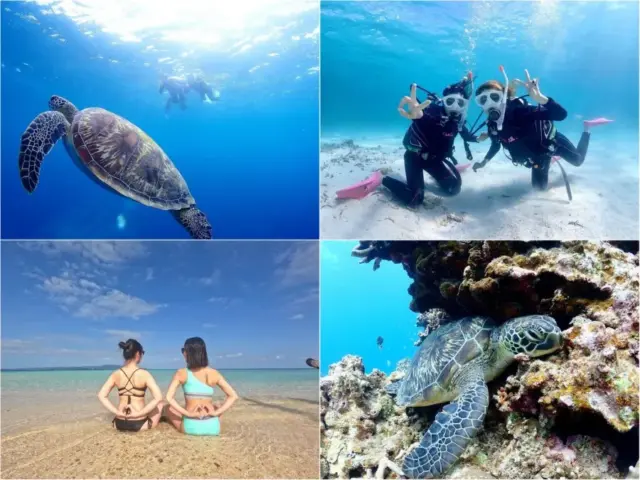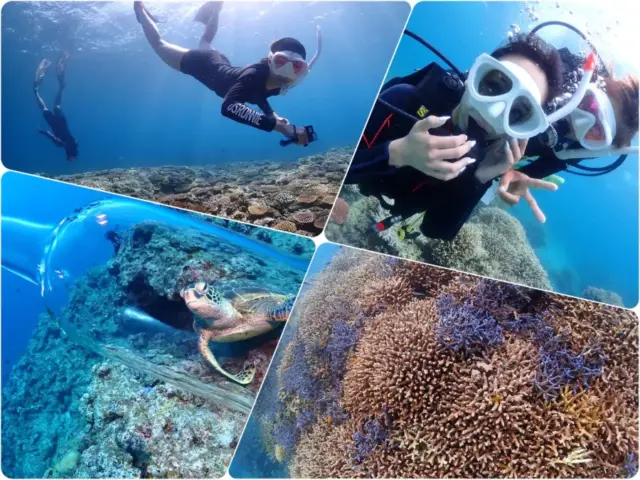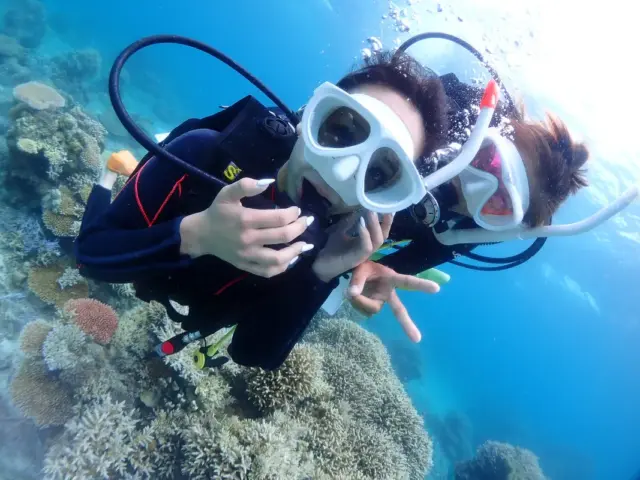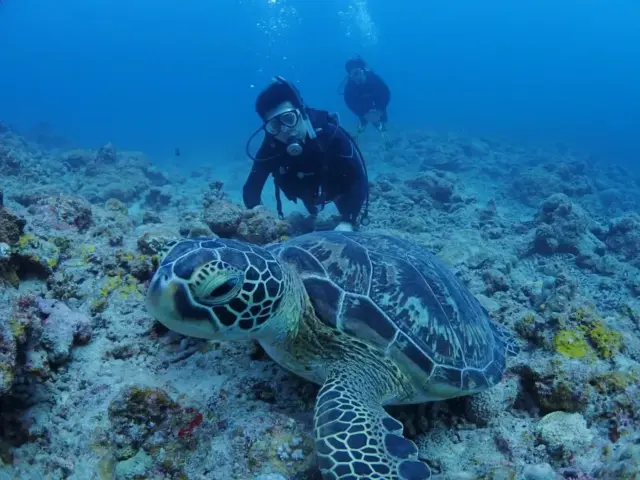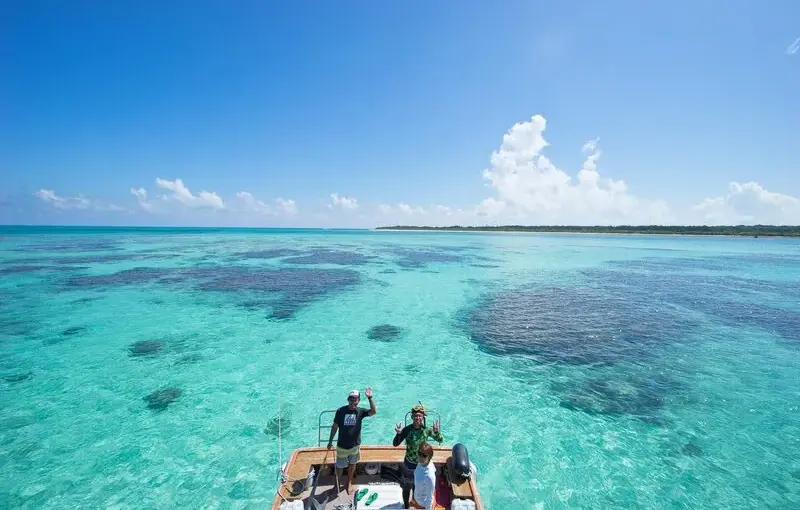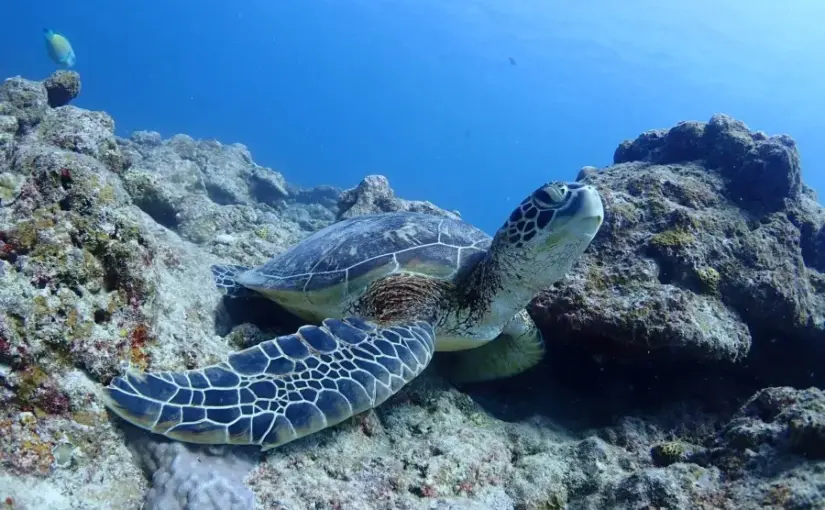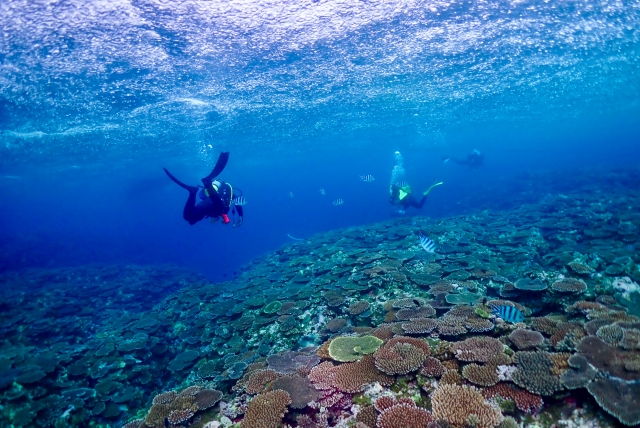
Although you can enjoy diving throughout the year in Ishigaki Island, the expression of the sea and the creatures you can encounter change greatly depending on the season!
The secret to getting the most out of your tour is to know the characteristics of each season, such as summer for its excellent transparency and fall for its high manta ray encounter rate.
one's ownObjective.and idealconditionDetermine the best timing for travel according to the
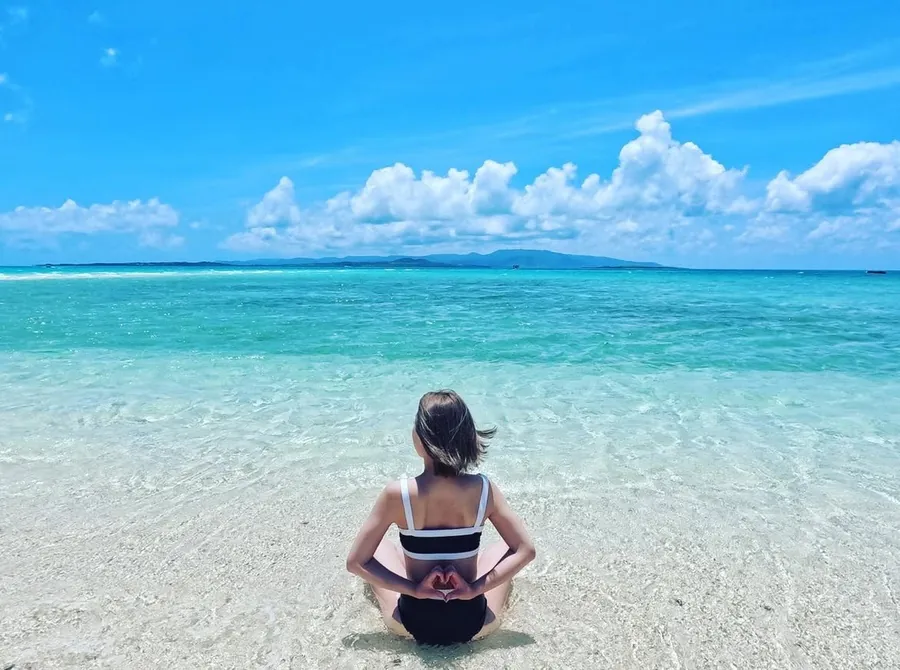
For the best transparency!
Summer (late June to August)
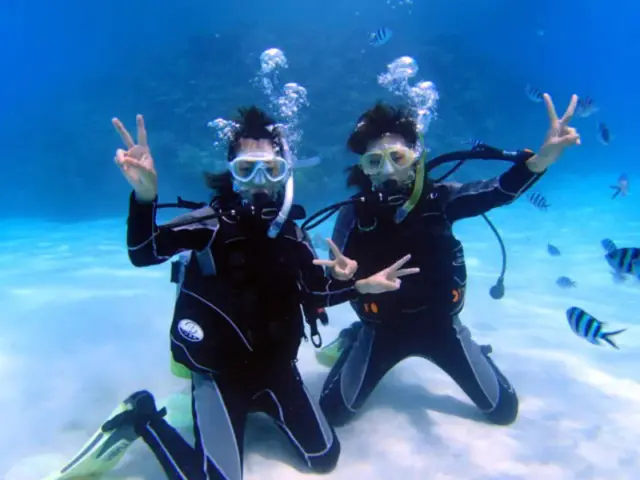
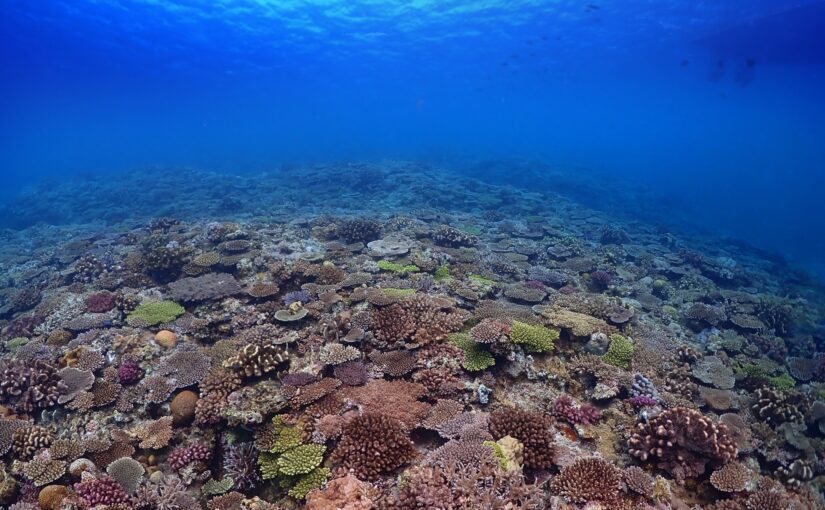
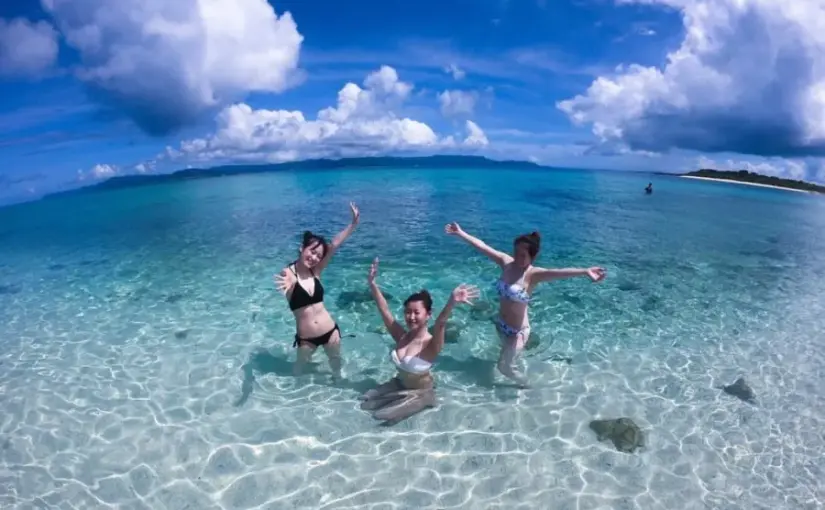
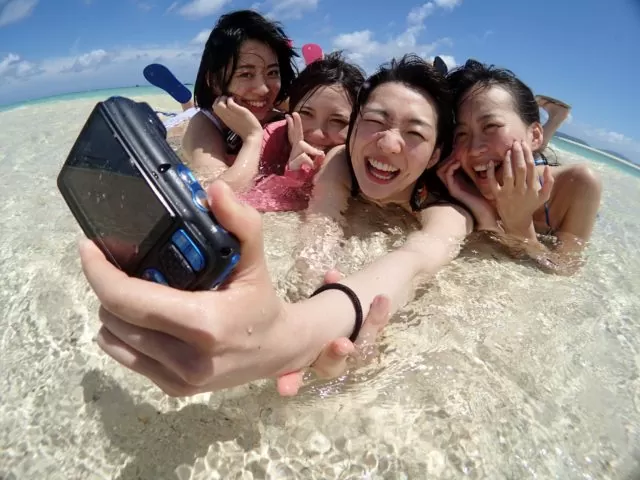
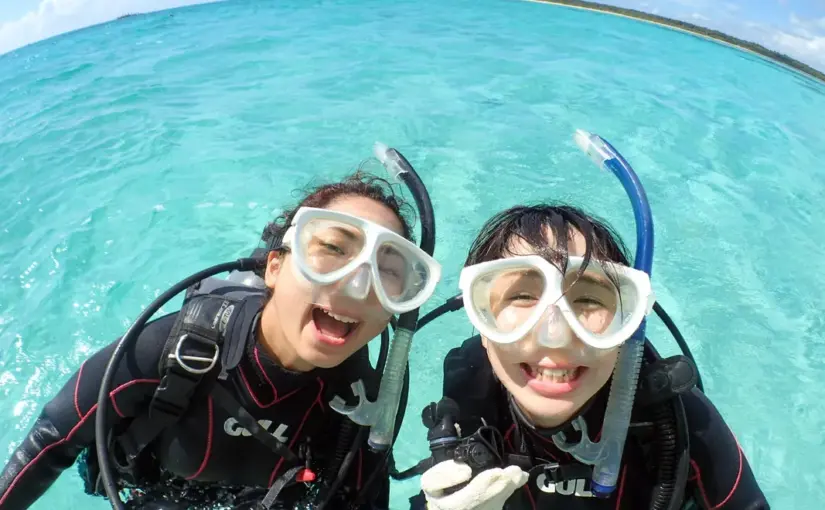
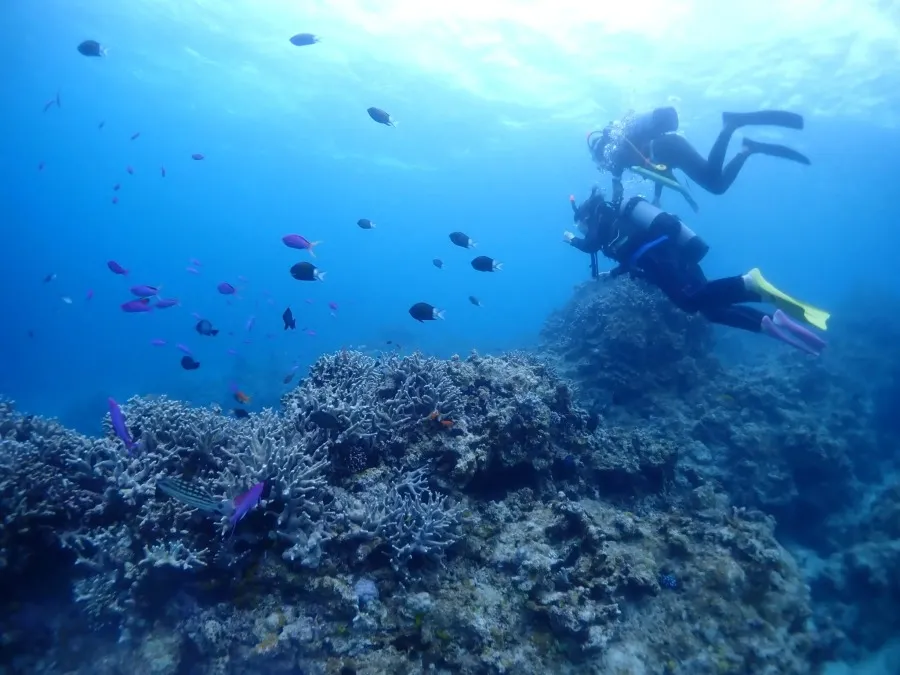
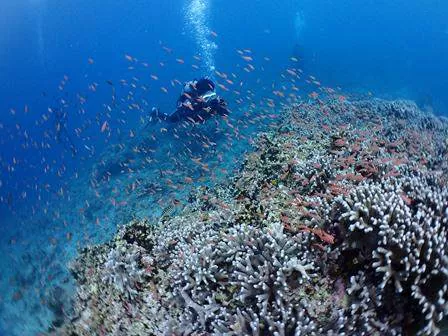
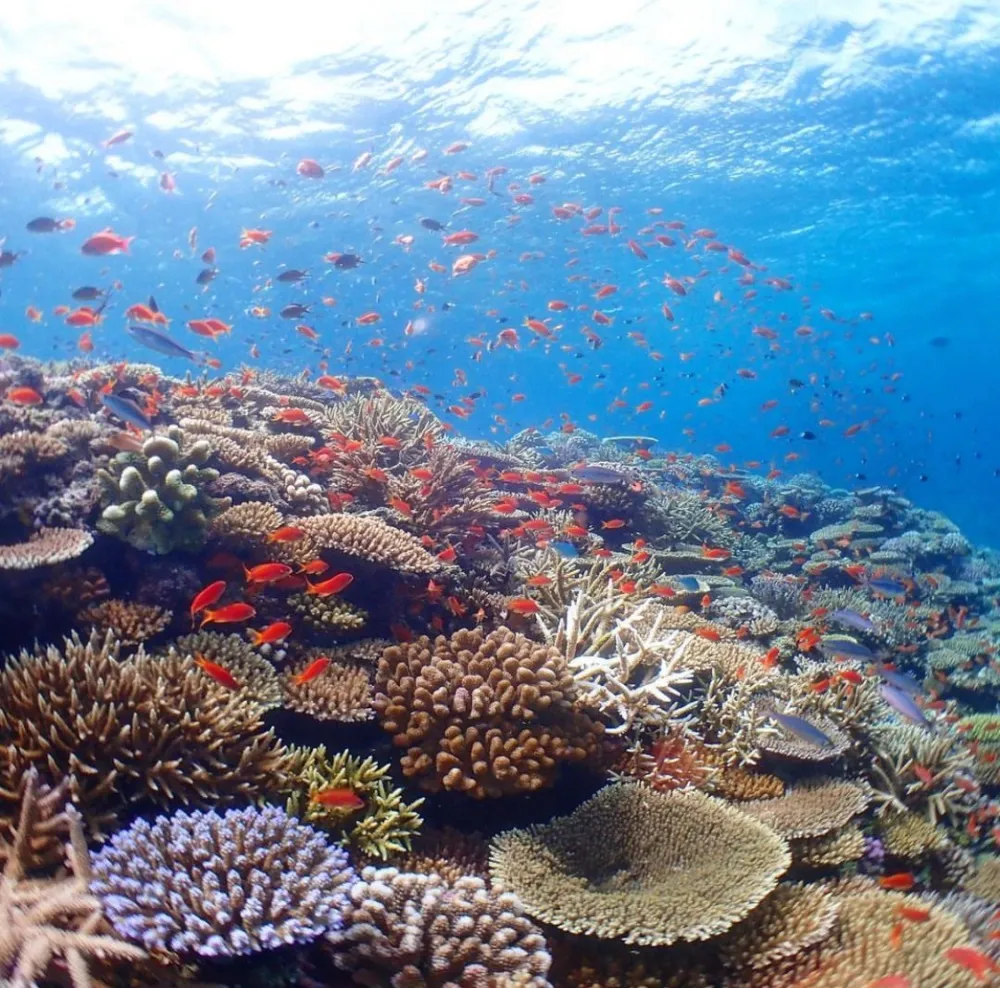
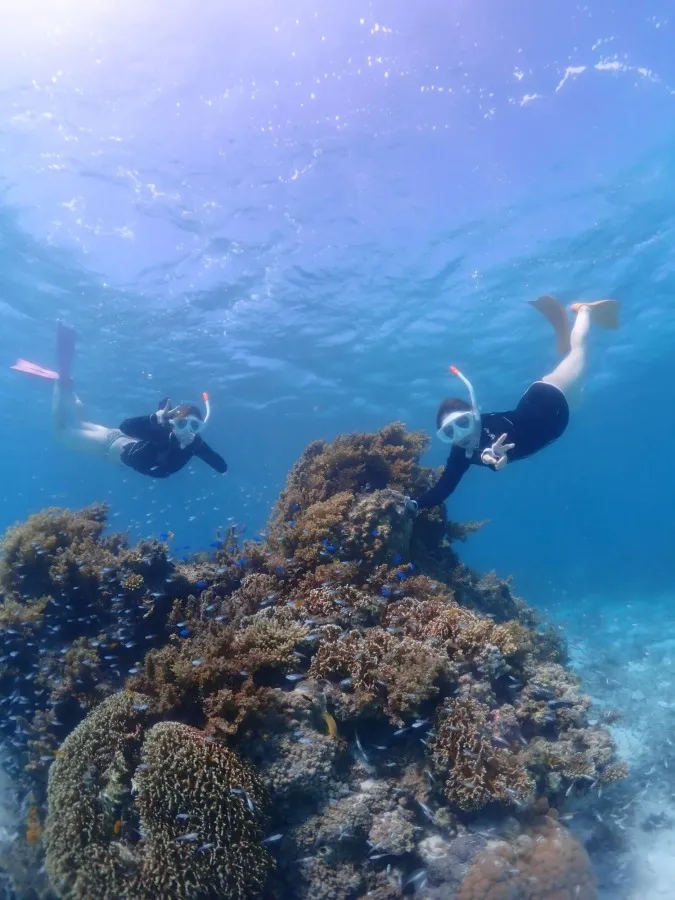
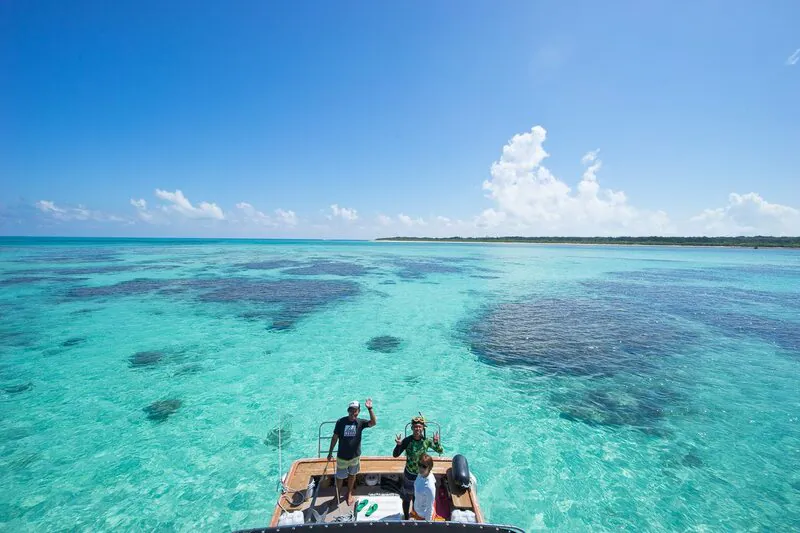
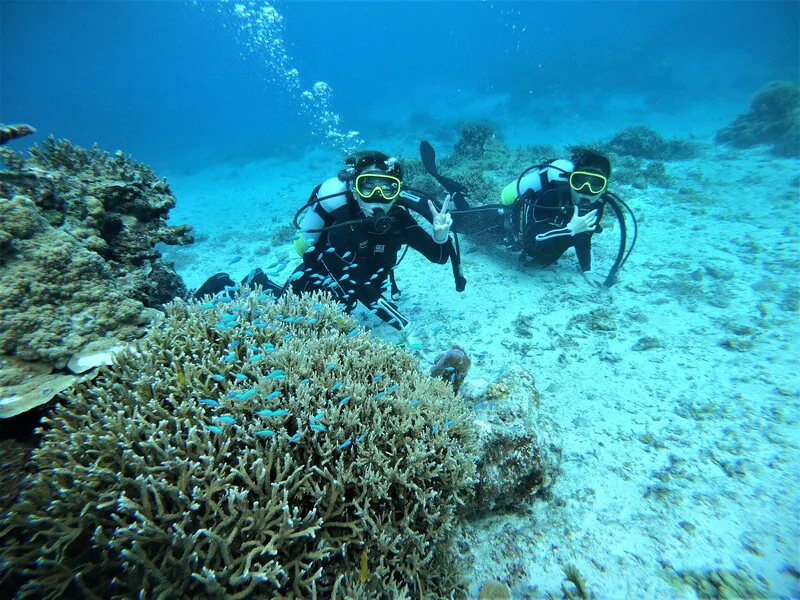
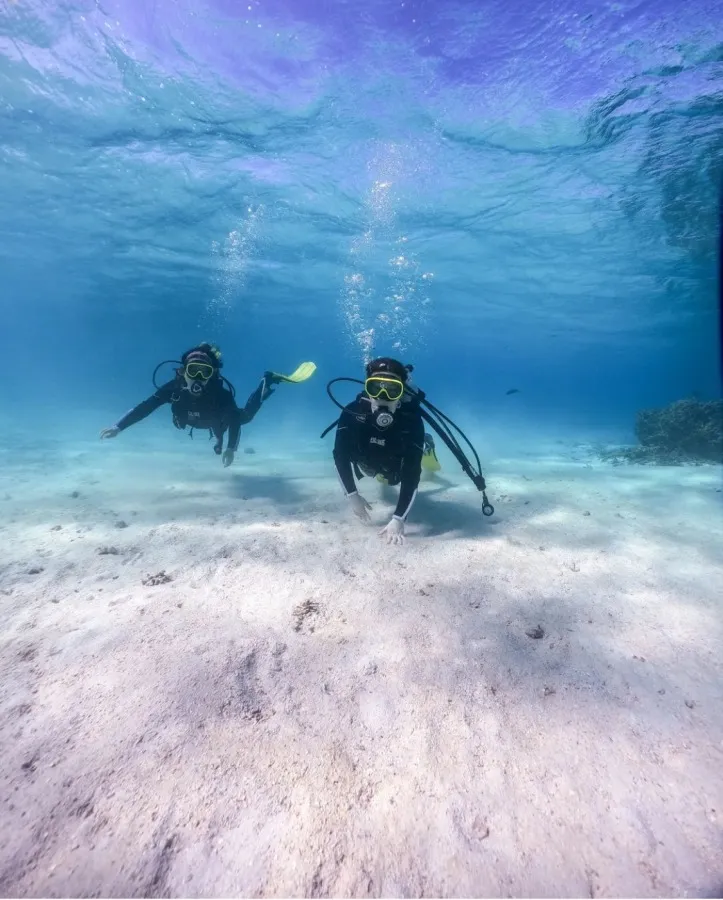
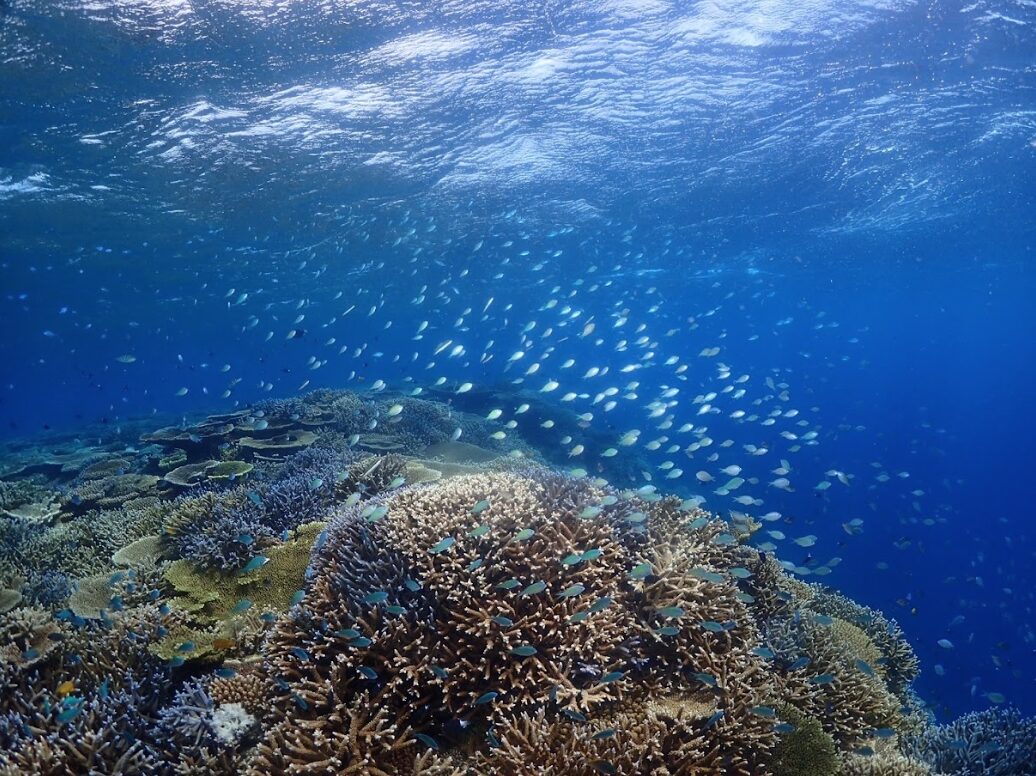
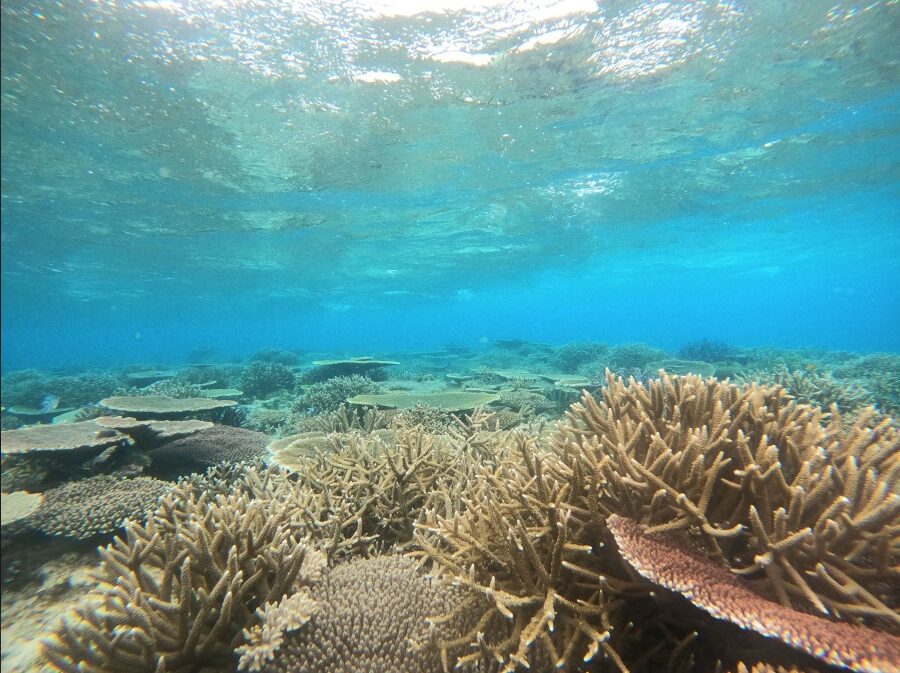
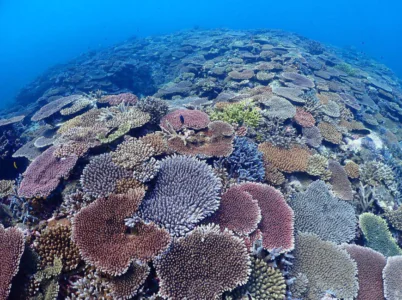
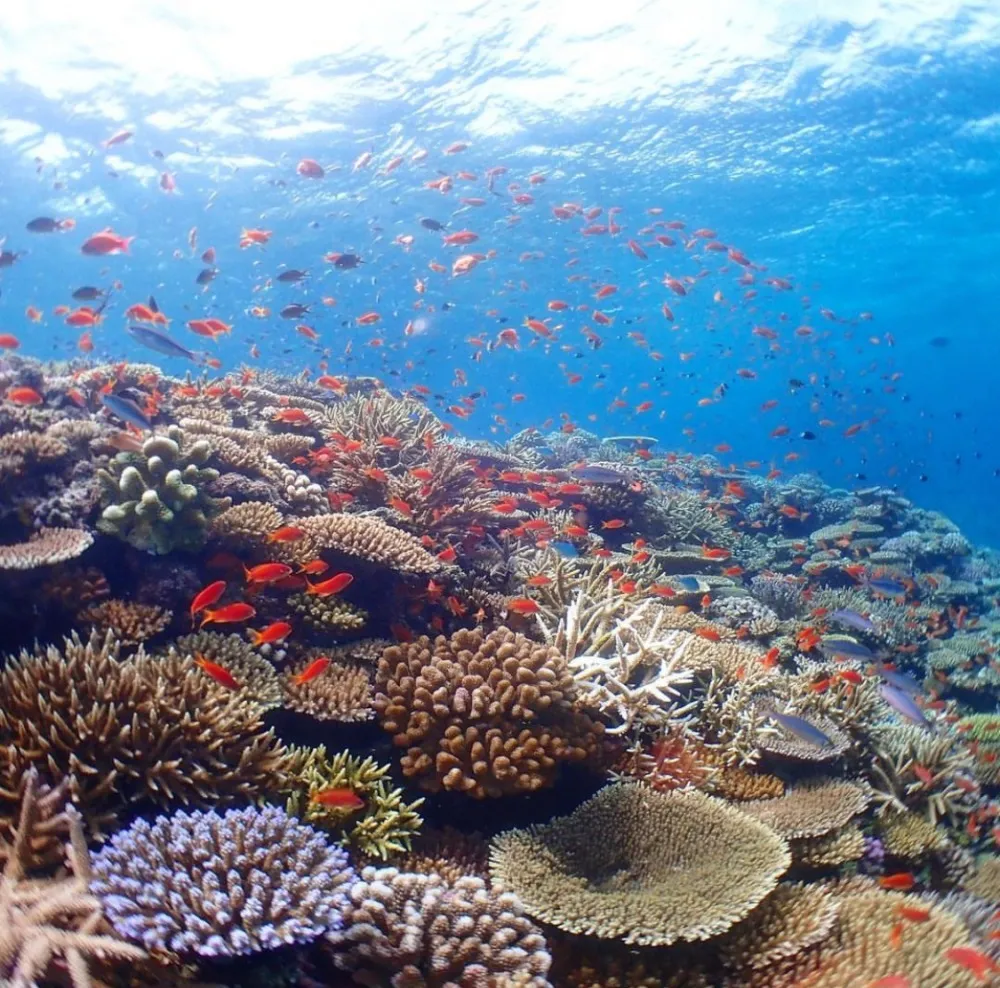
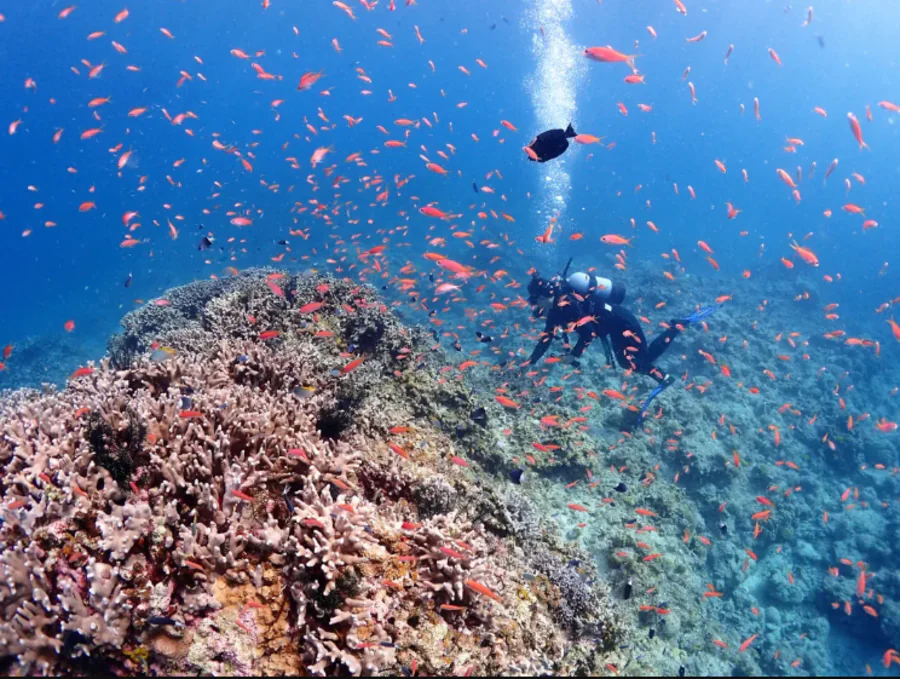
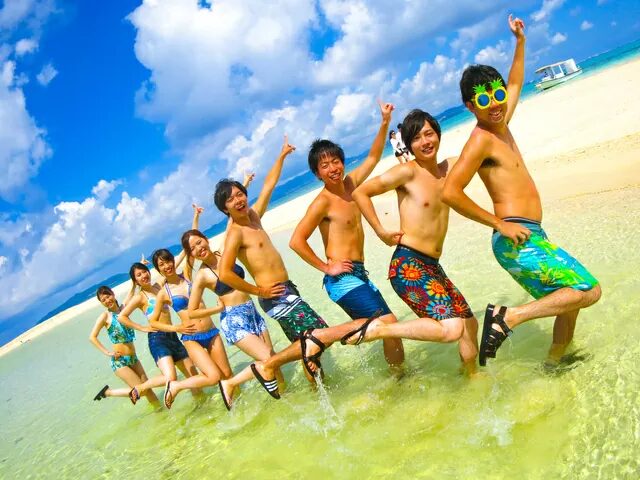
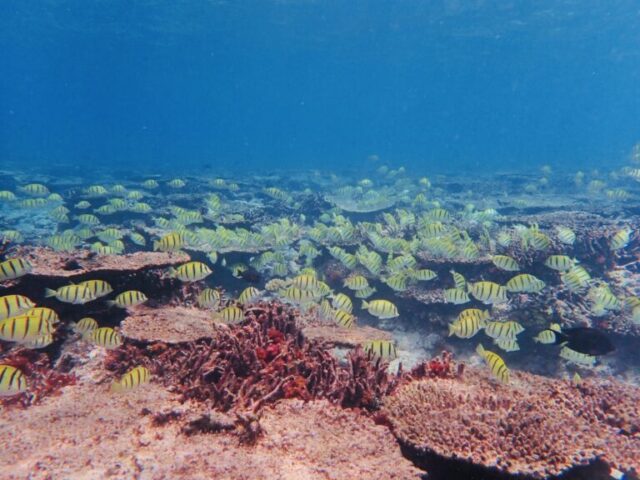
From the end of the rainy season through August, the sea is at its calmest and conditions are ideal for diving.
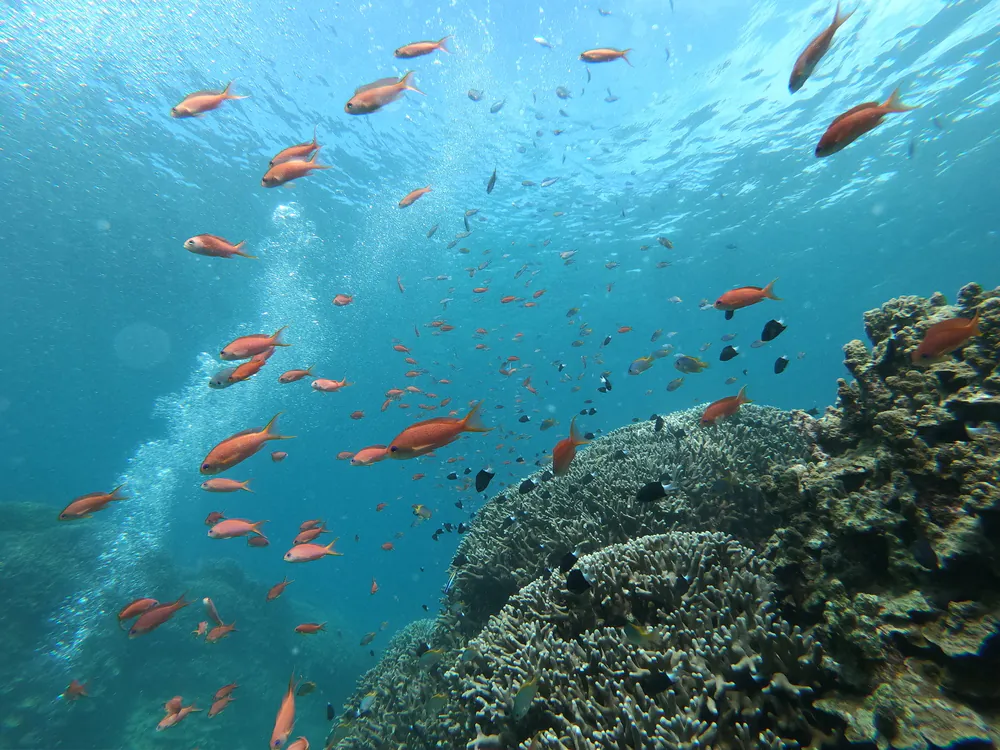
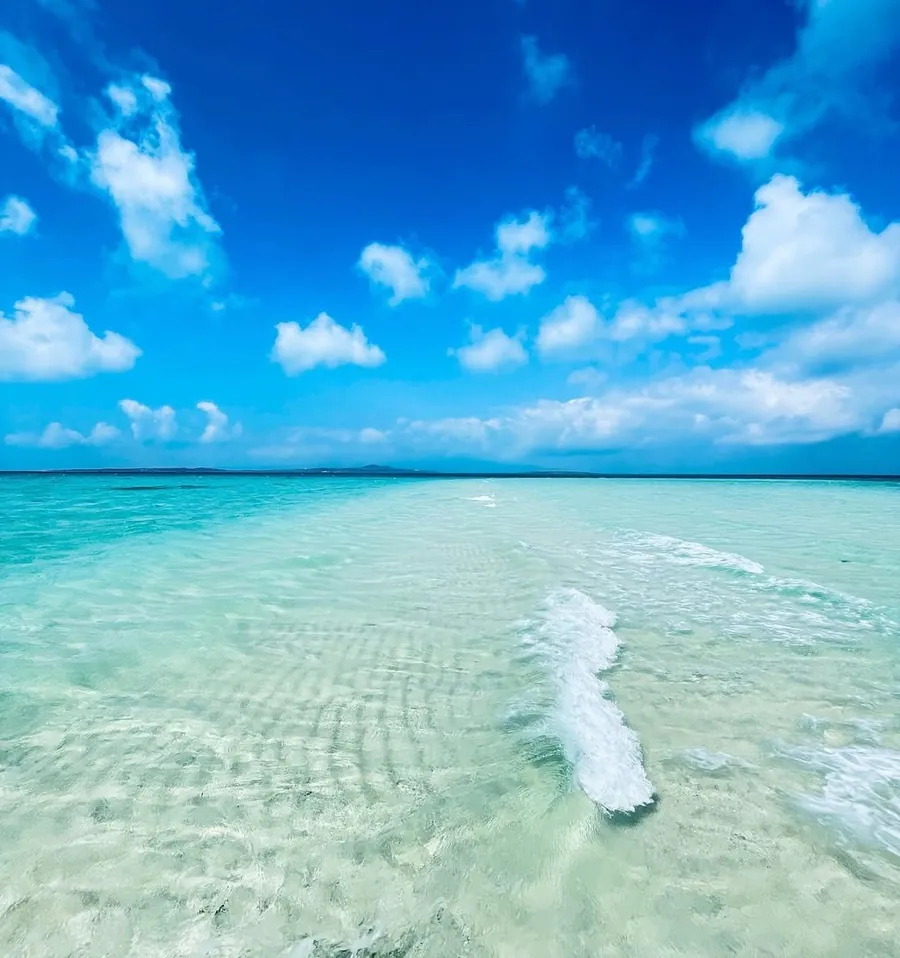
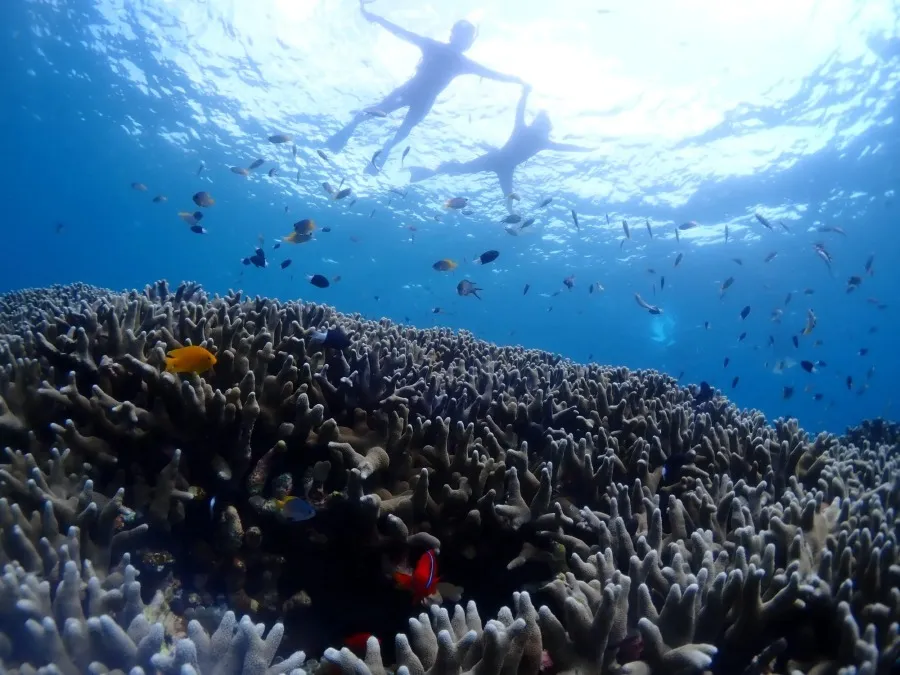
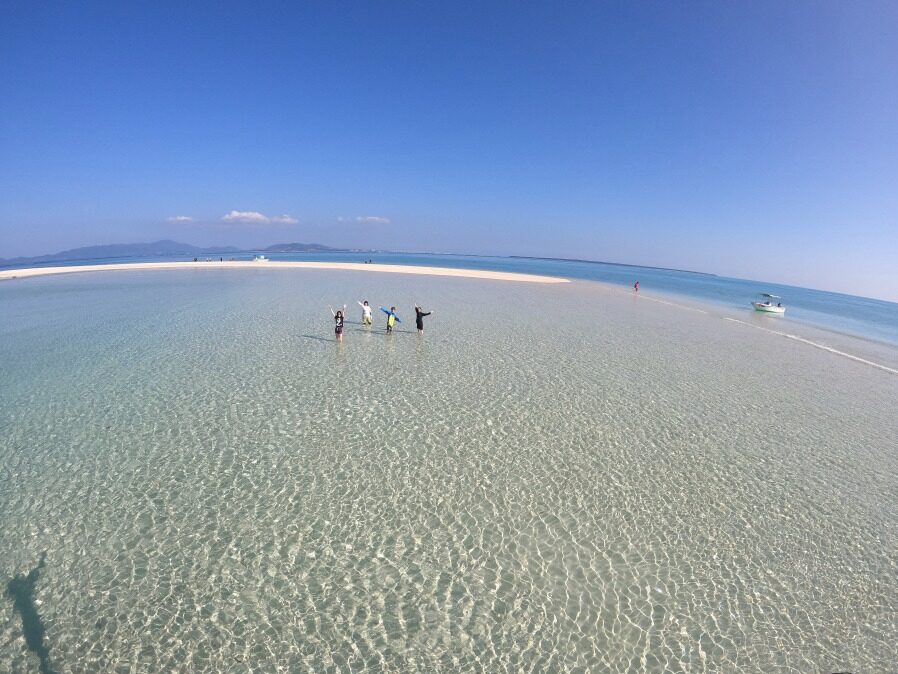
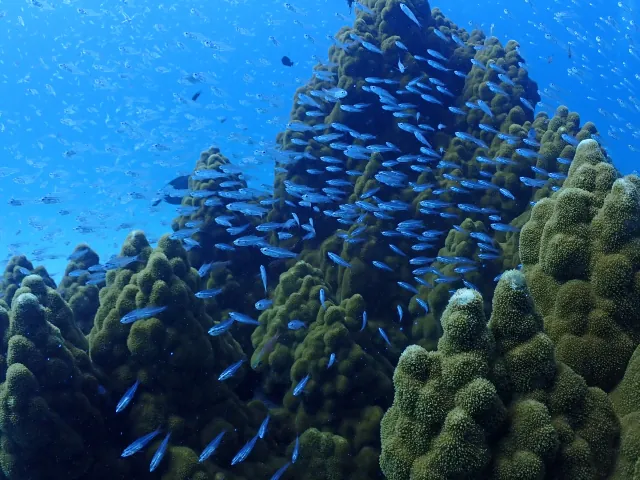
The strong sunlight shines through to the water, creating a glowing "Ishigaki BlueThis is the best time to enjoy the spectacular scenery of the
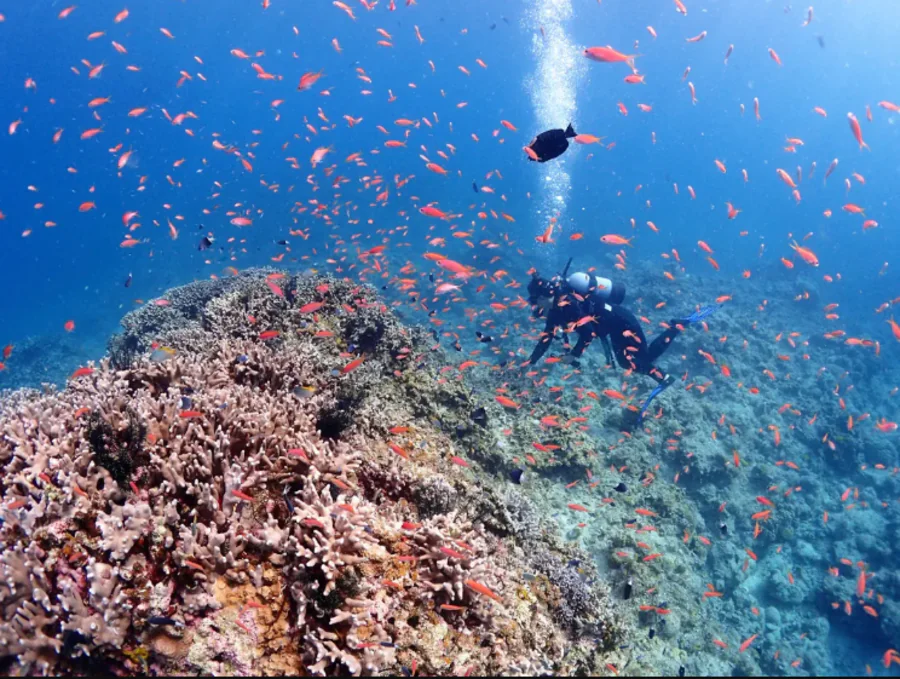
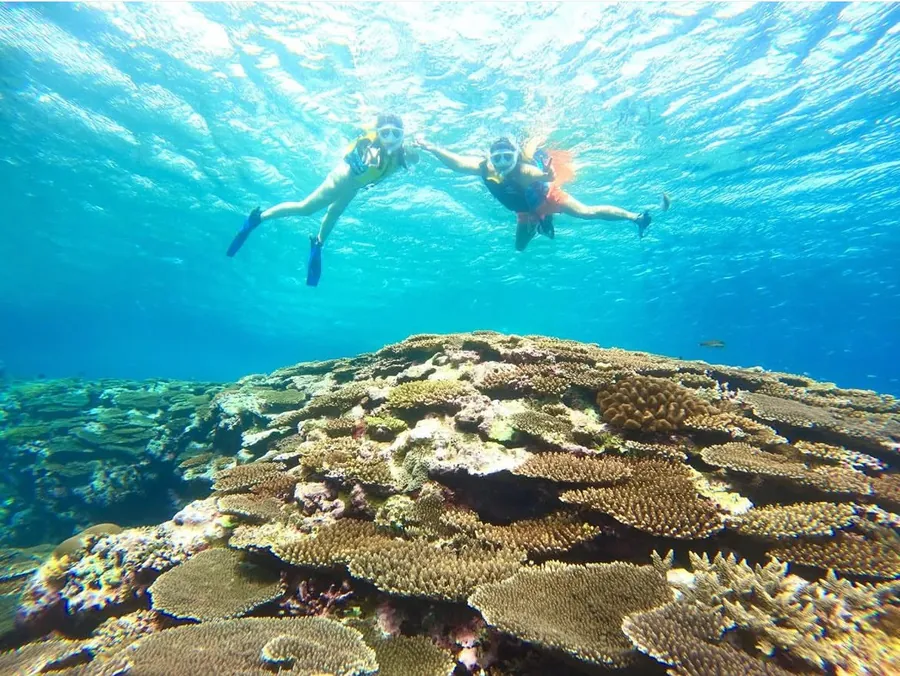
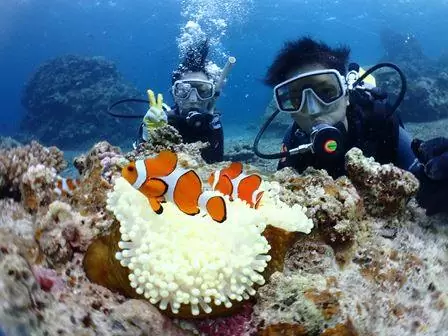
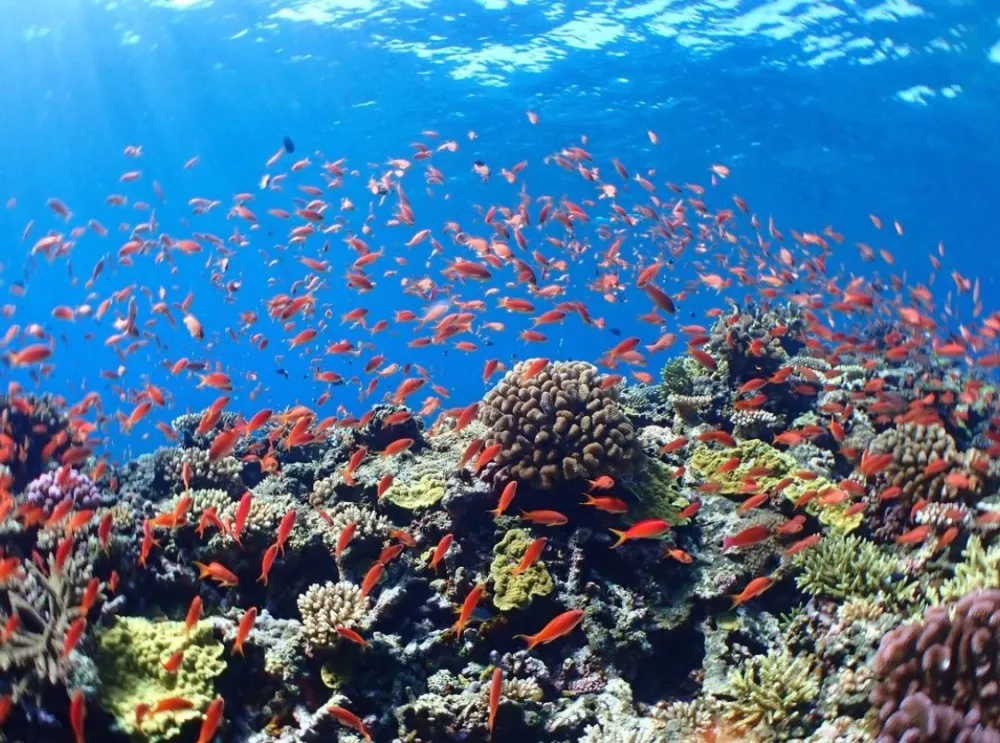
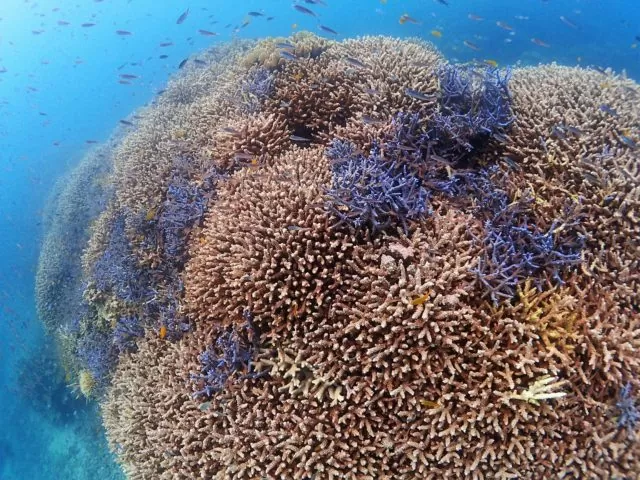
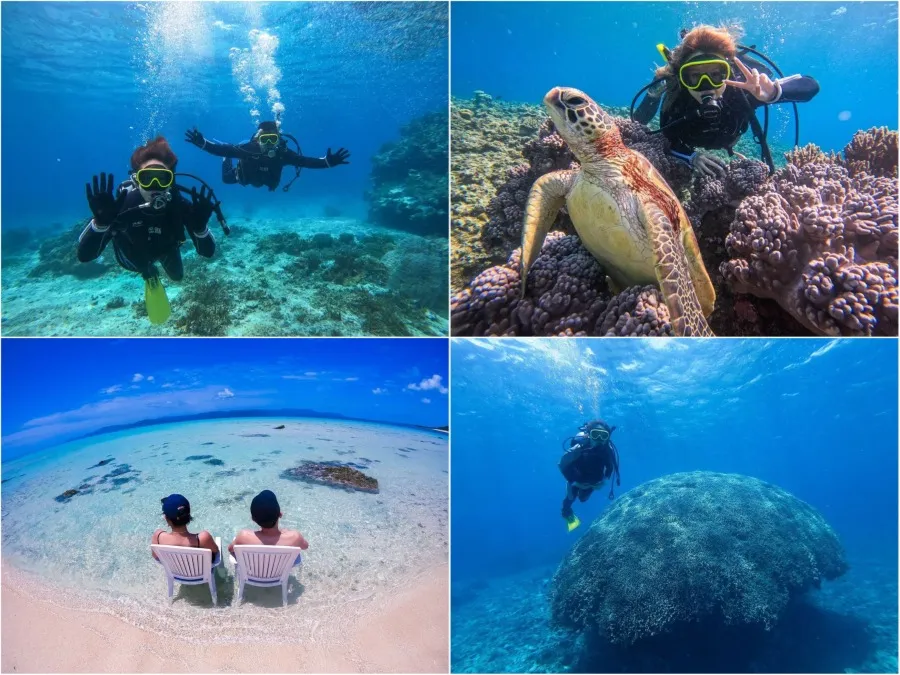
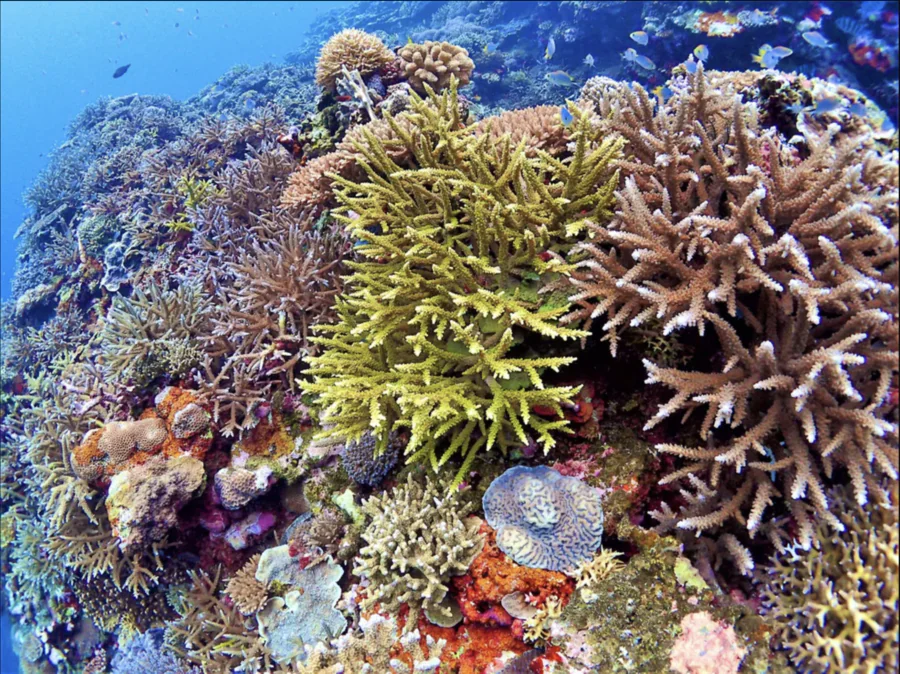
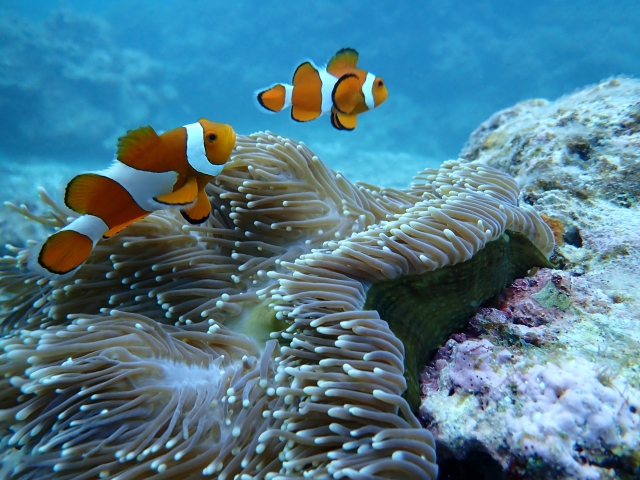
Corals and tropical fish are active,full of lifeIdeal for those who want to experience the summer sea♪
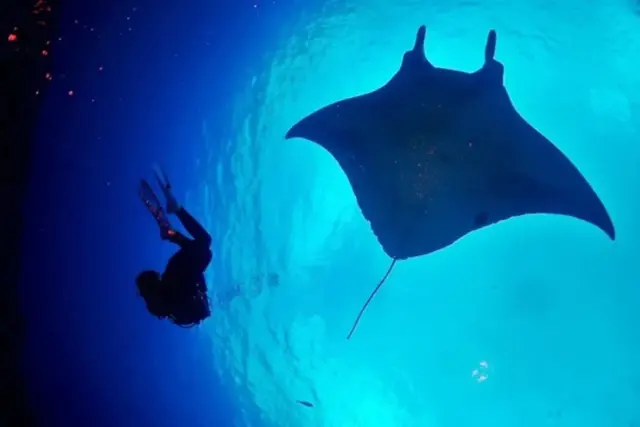
Manta ray encounter rate is at its highest!
Autumn (September to November)
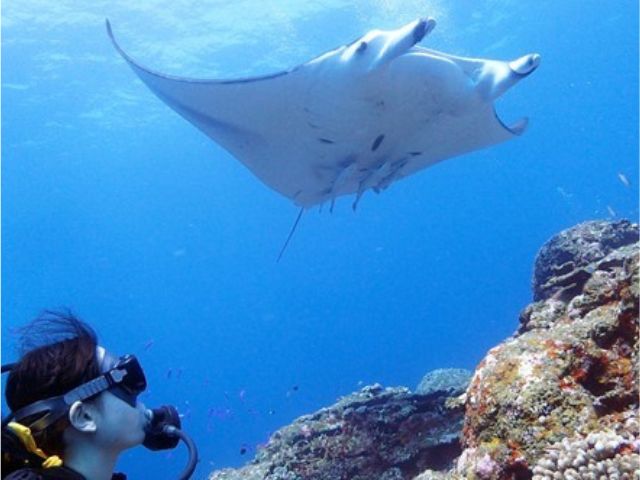
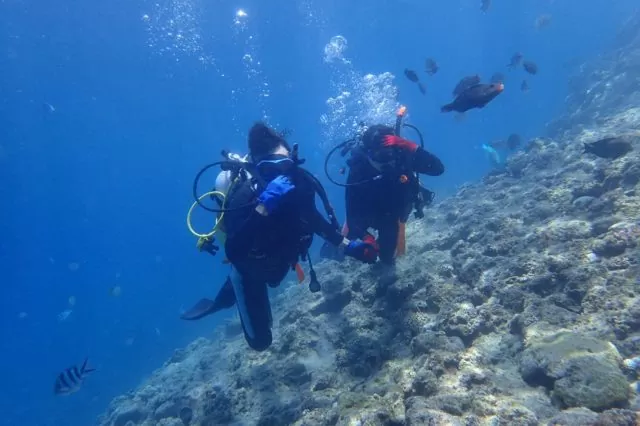
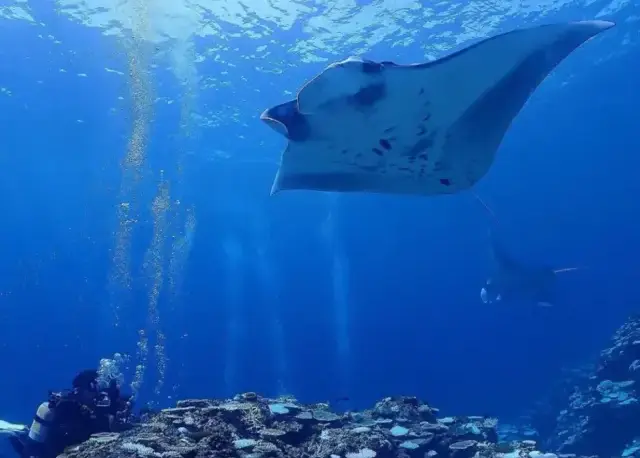
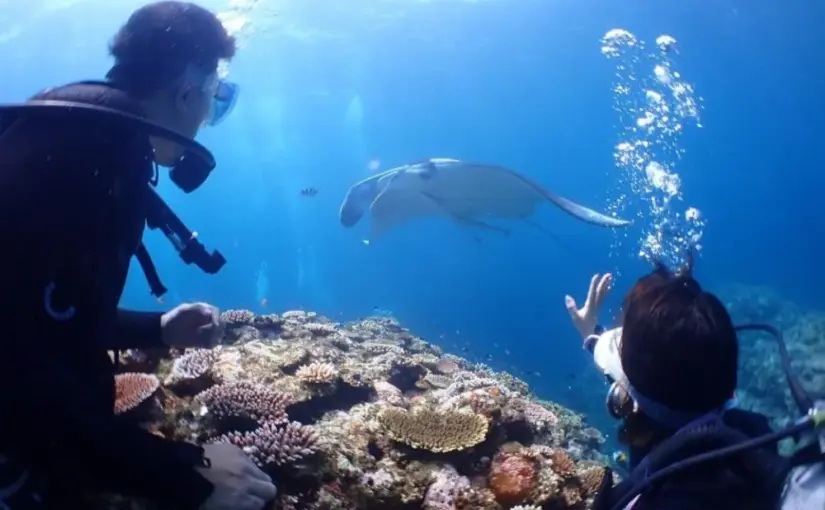
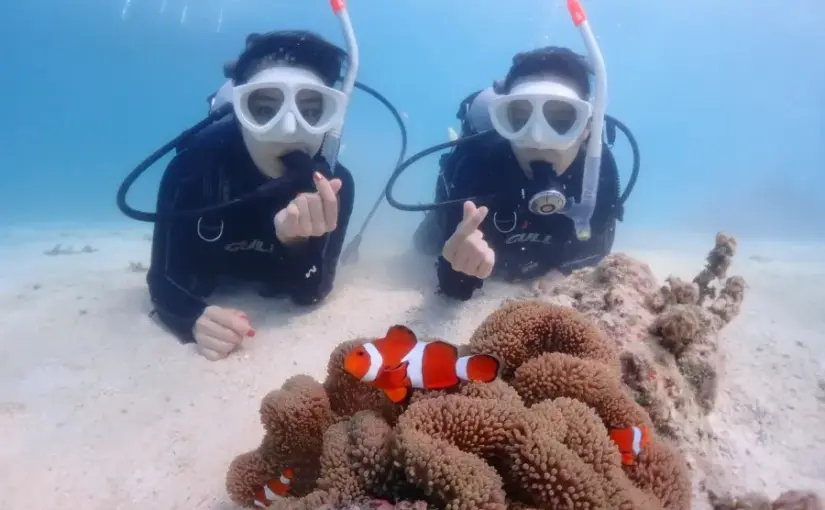
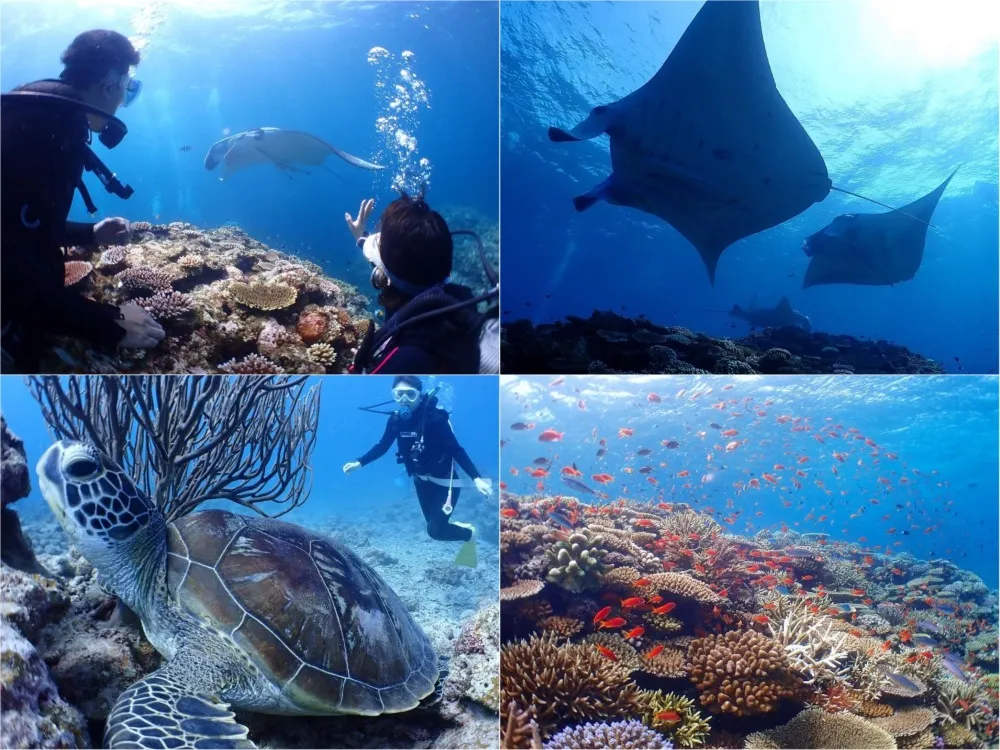
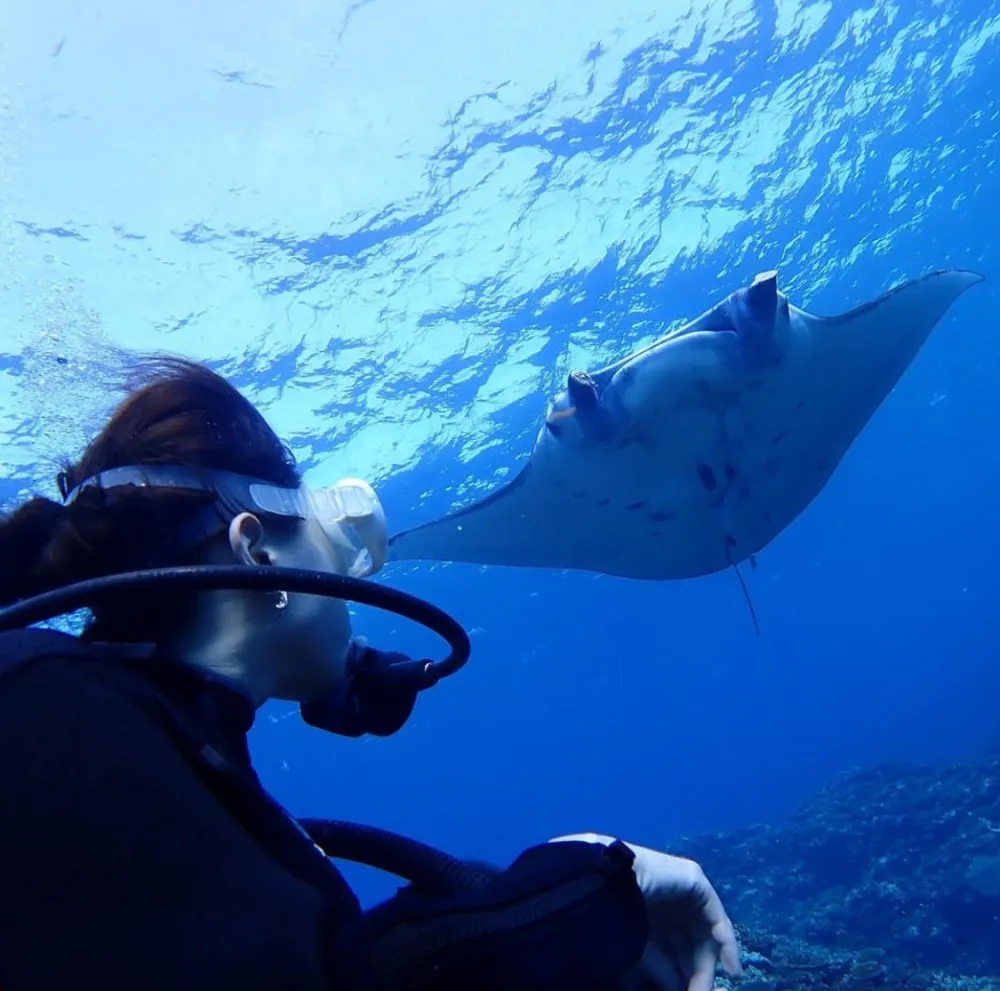
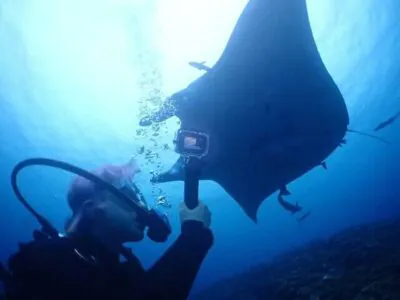
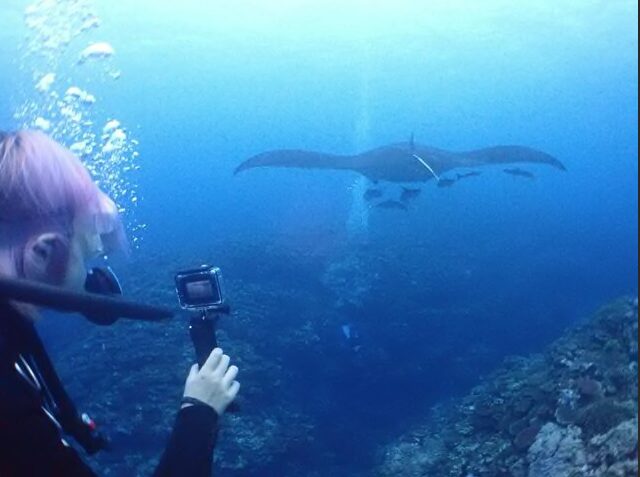
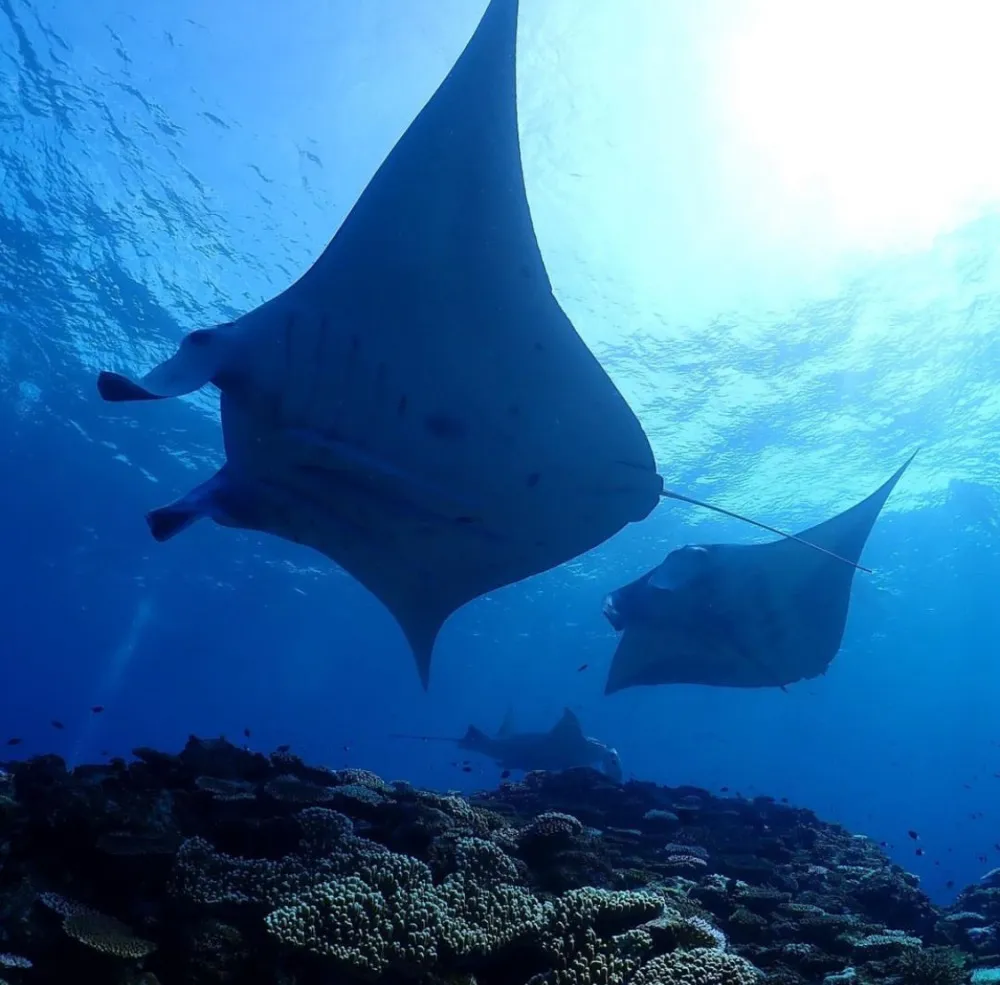
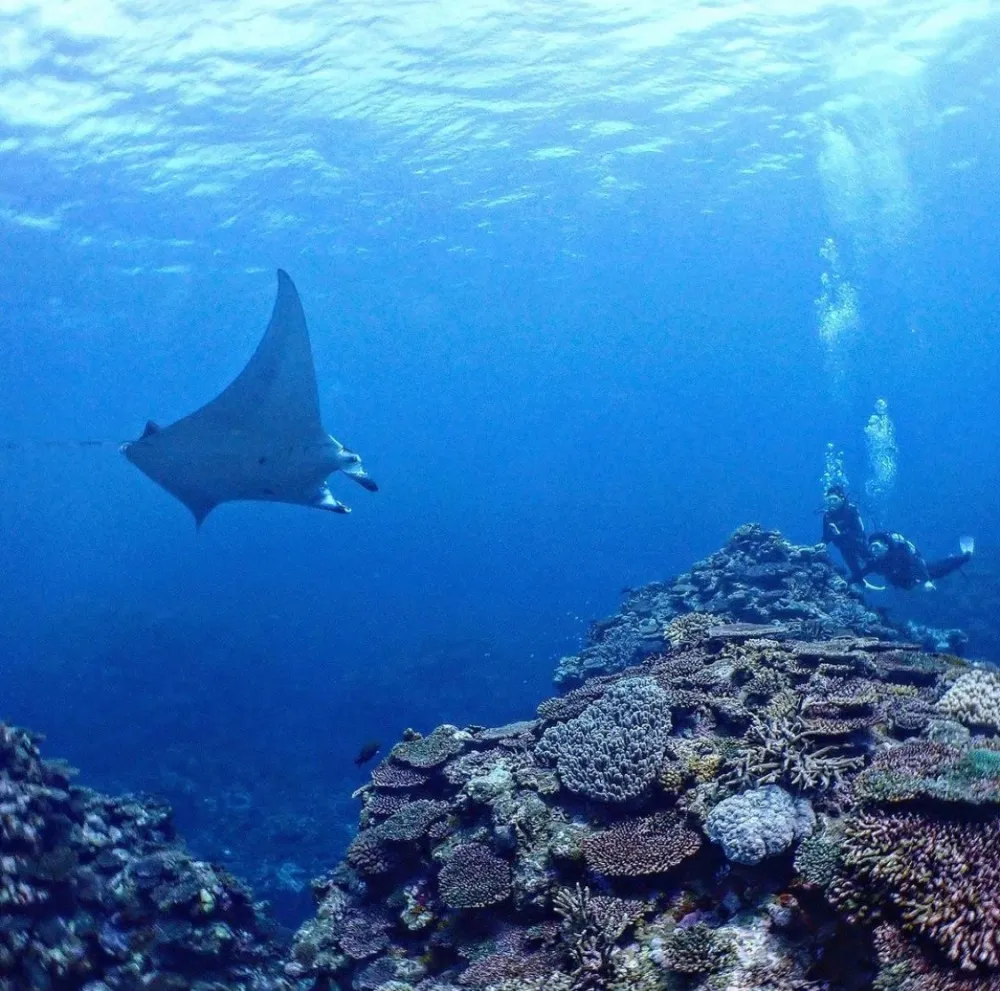
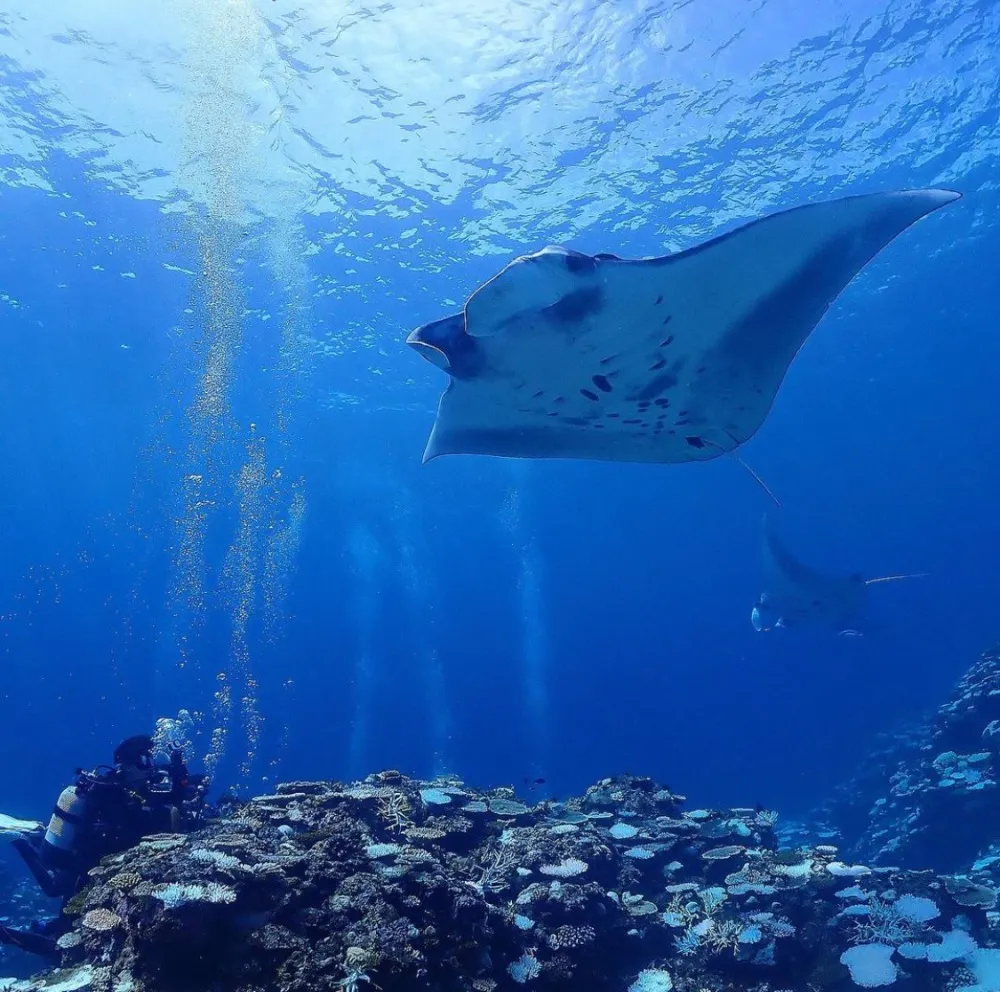
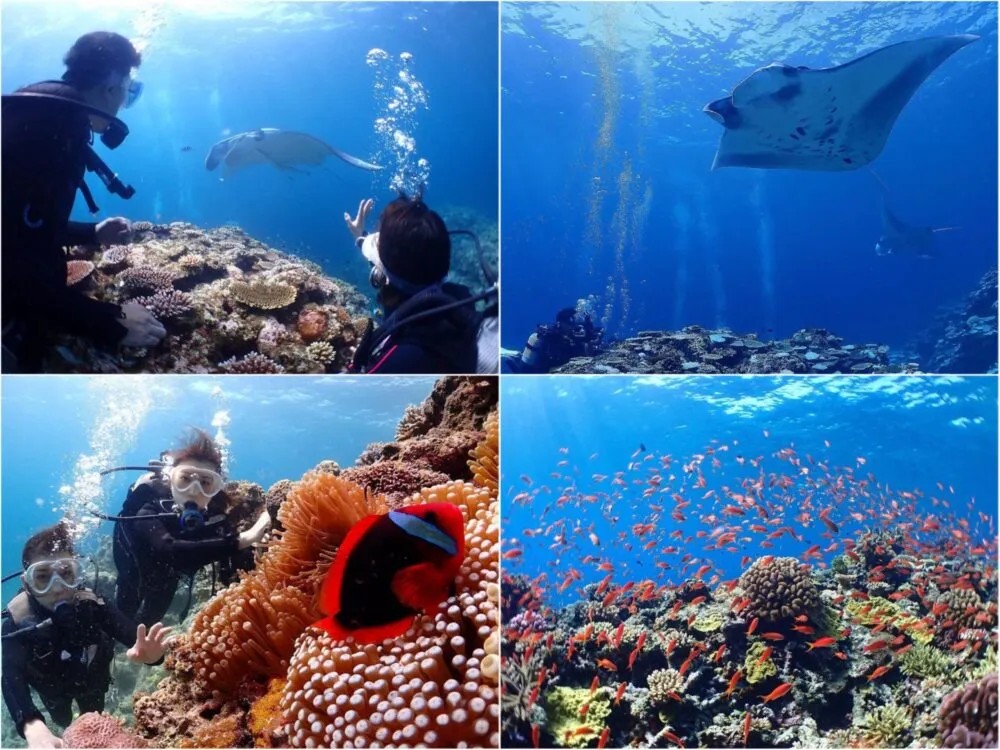
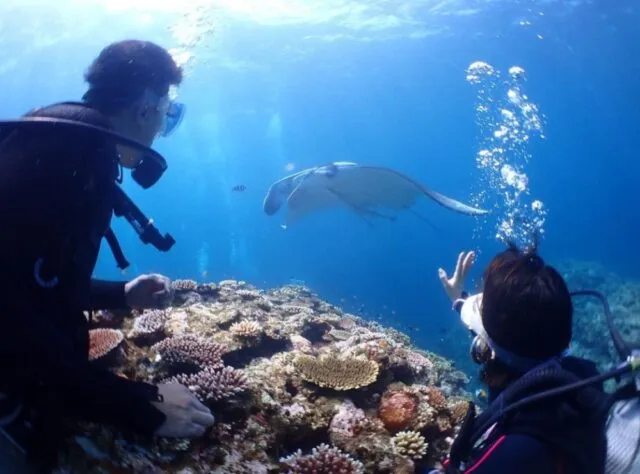
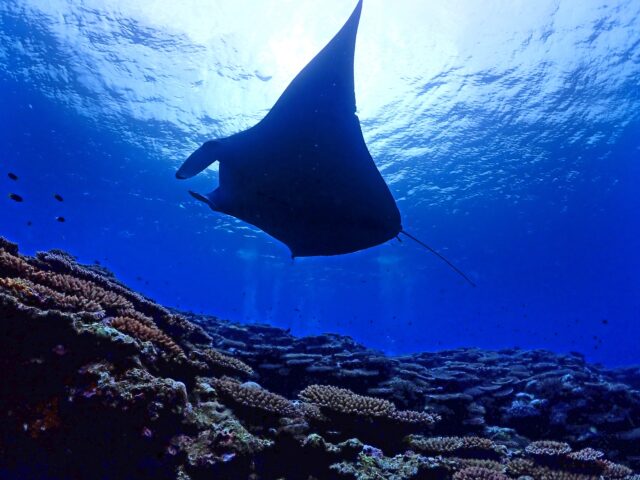
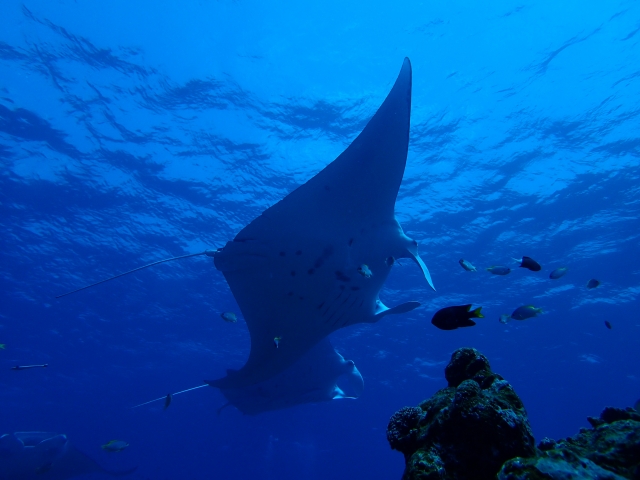
Autumn, when manta ray activity becomes active, is the season for manta ray watching when divers from all over the world gather on Ishigaki Island.peak seasonIt is!
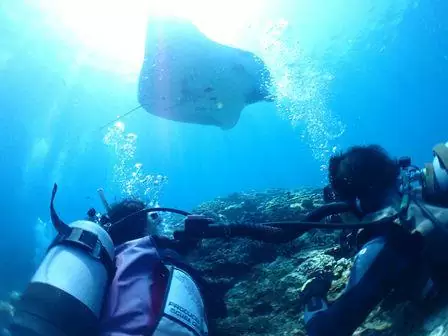
Kabira AreaThe encounter rate increases dramatically, especially for the manta rays, and sometimes you can witness powerful scenes of multiple manta rays dancing around.
The summer holiday crowds have calmed down, and visitors can enjoy observing and photographing in a relaxed underwater environment.
You may see manta rays!
↓Recommended Diving Tours
Manta ray diving in Ishigaki Island &.
Learn more about snorkeling
Dive at a reasonable cost and in a relaxed manner!
Early summer (after GW in May to mid-June)
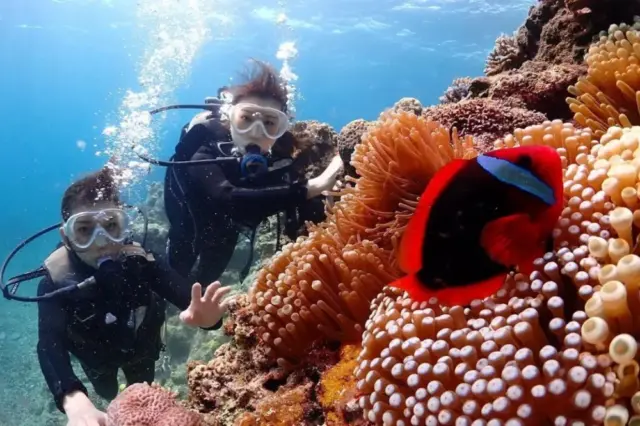
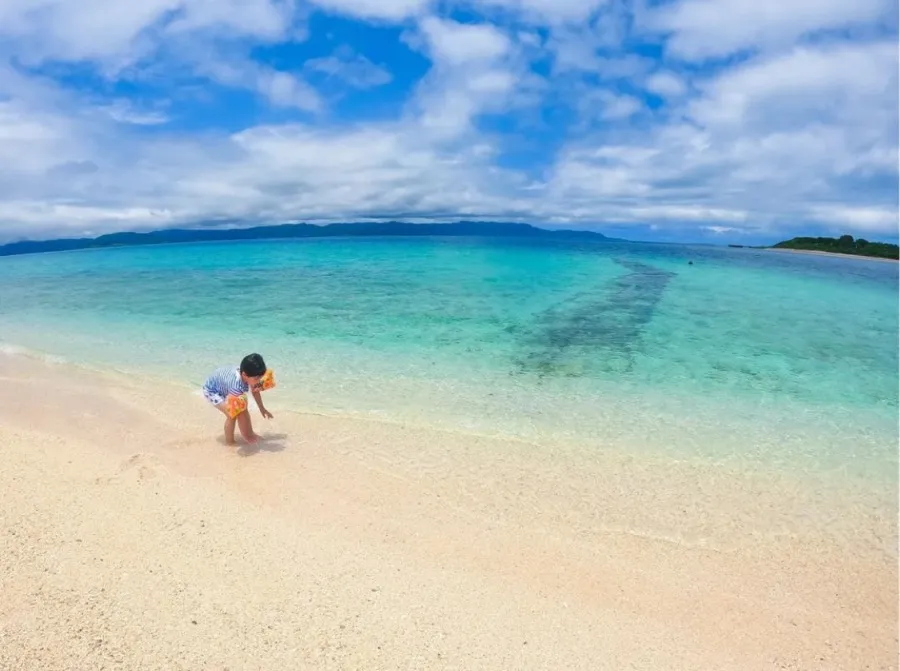
After Golden Week, airfare and lodging costs drop this time of year,Best value for moneyIt is the season of the hole where you can travel Ishigaki Island♪
Some popular points of interest due to the lack of tourists.charteringThis increases the chance to dive luxuriously in a state close to the
Although it is the rainy season, once you are in the water, the impact is minimal, making it ideal for those who want to avoid the crowds and enjoy themselves at their own pace.
Look for the big fish that only winter can offer!
Winter (December to February)
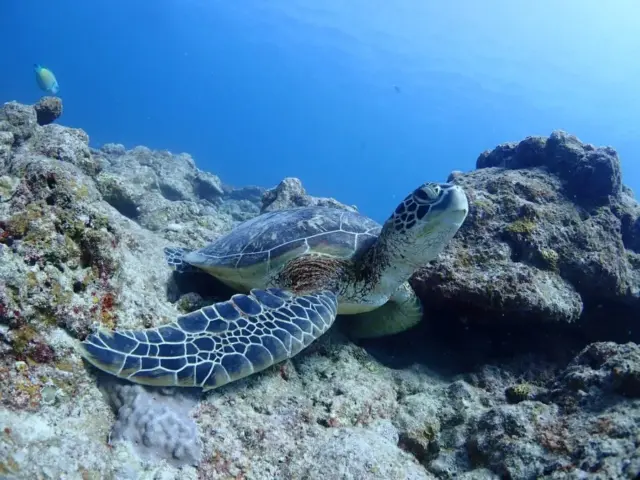
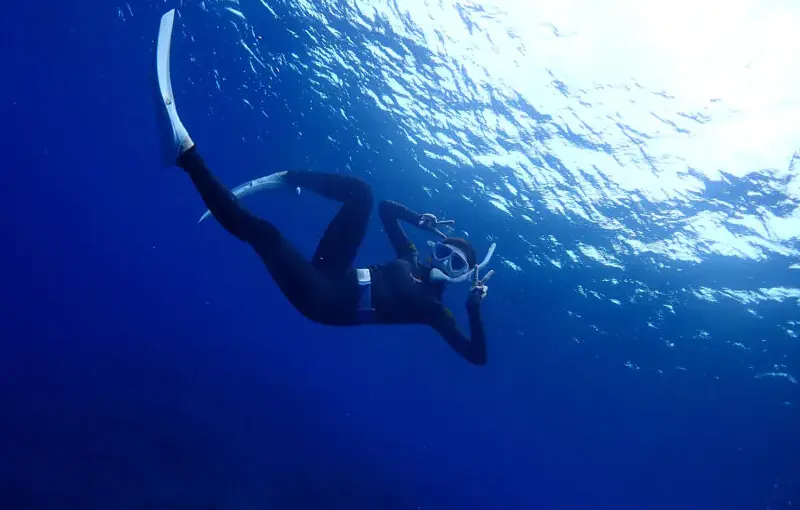
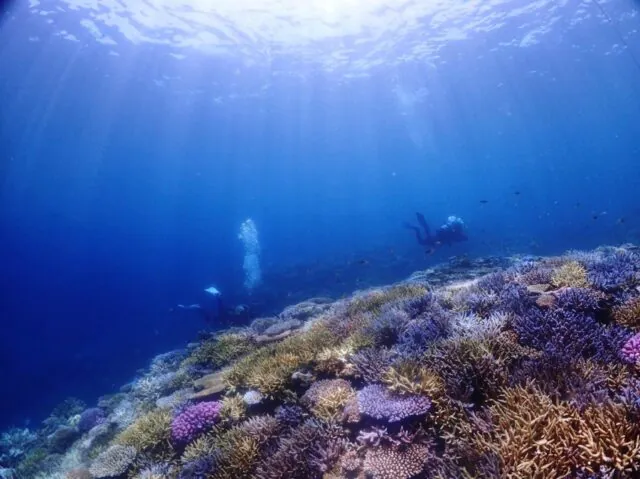
In winter, when the north wind changes the dive sites to the south side of the island, you cannot go there in summer.Limited Spotand dynamicterrainYou can enjoy the
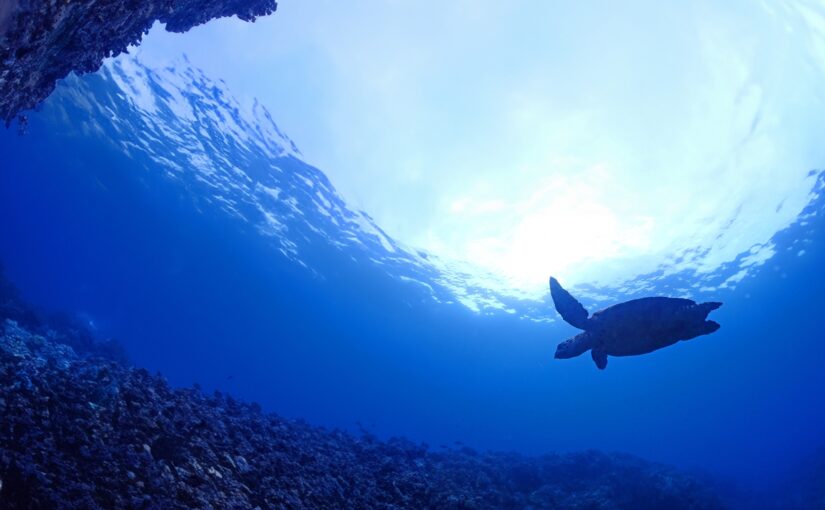
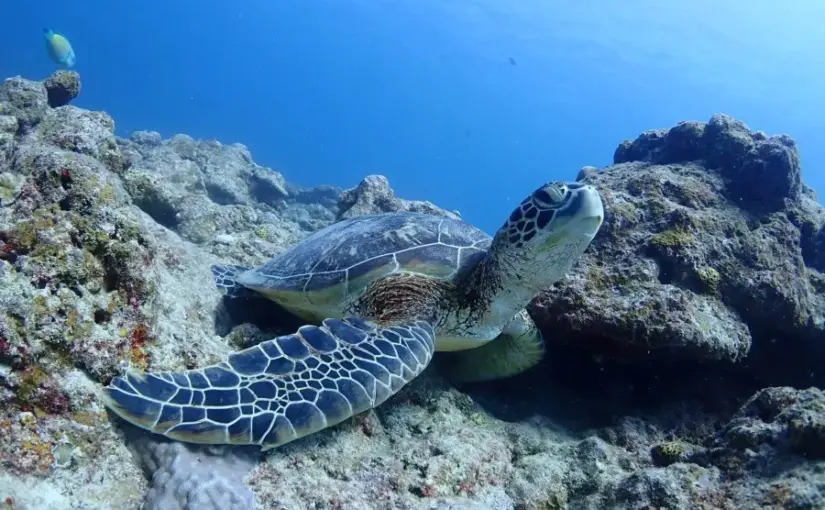
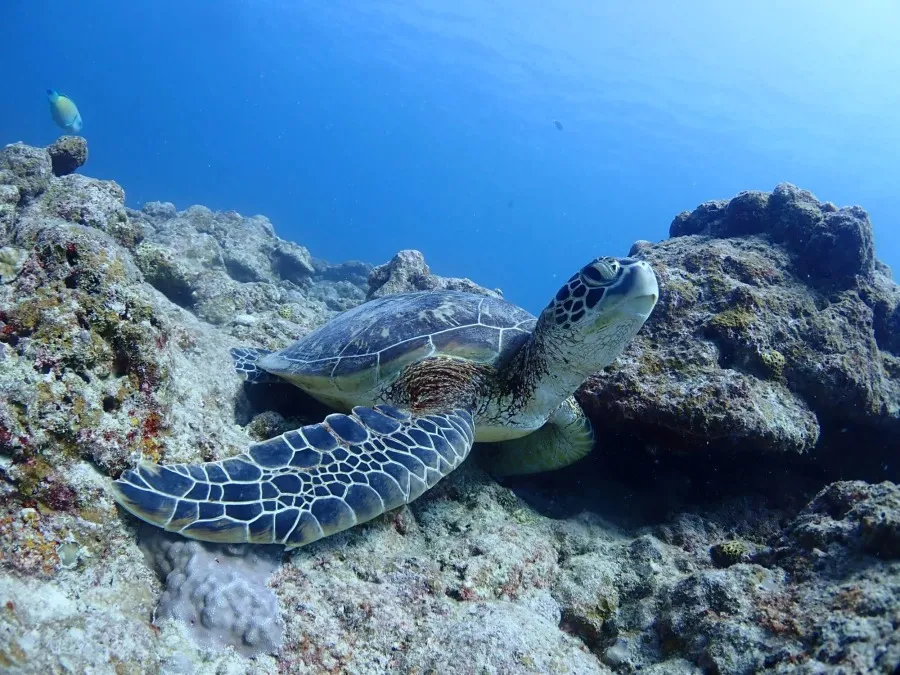
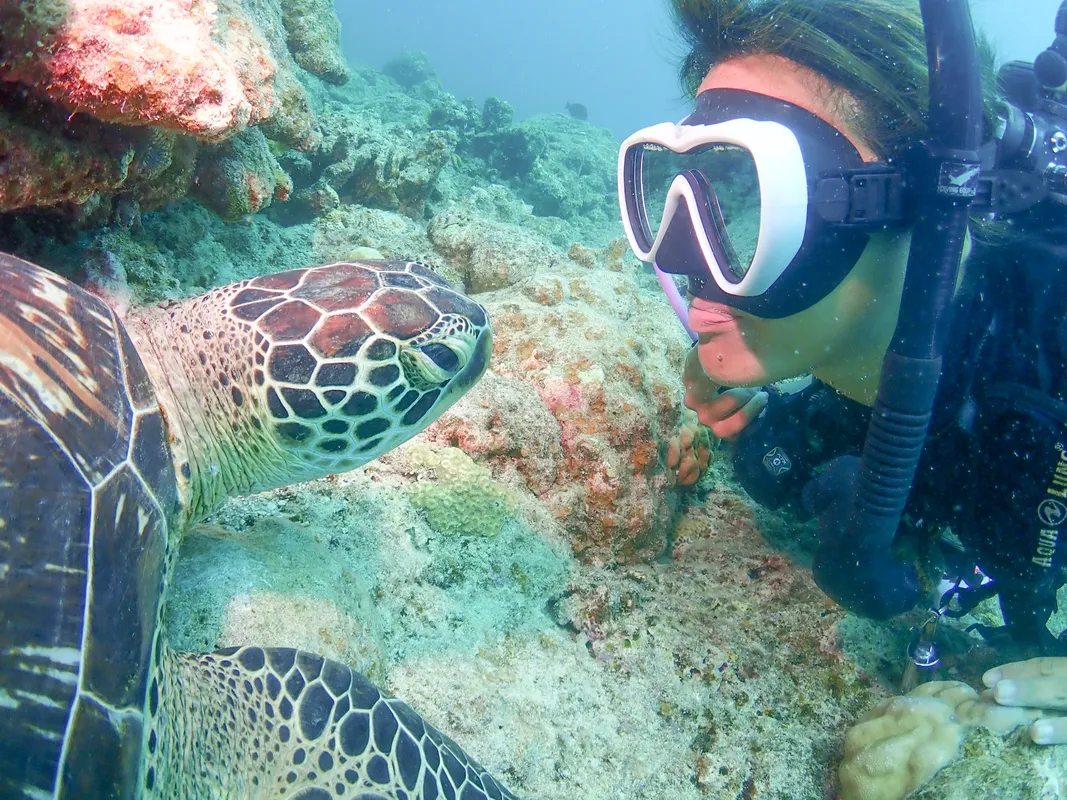
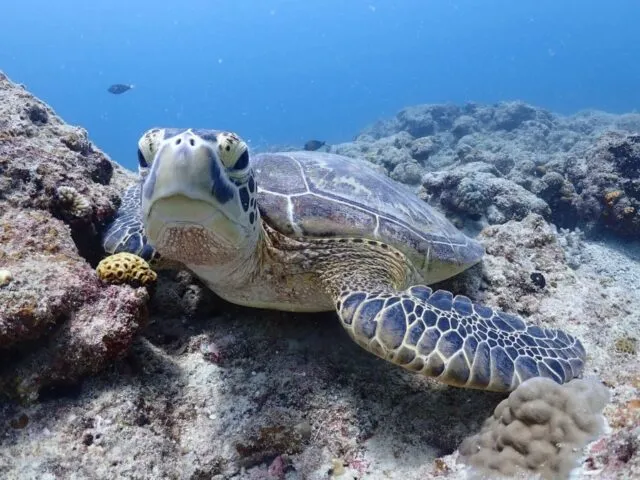
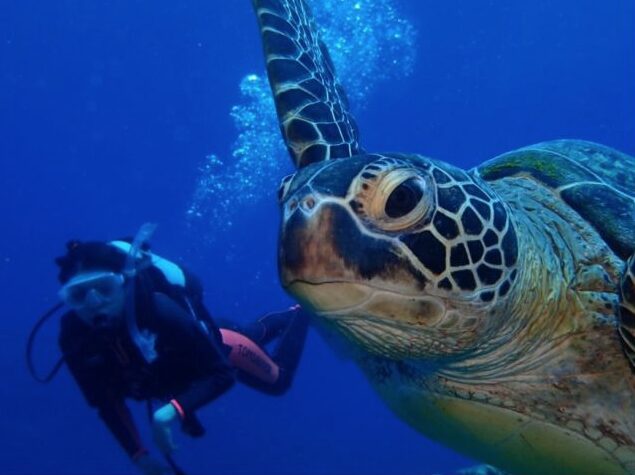
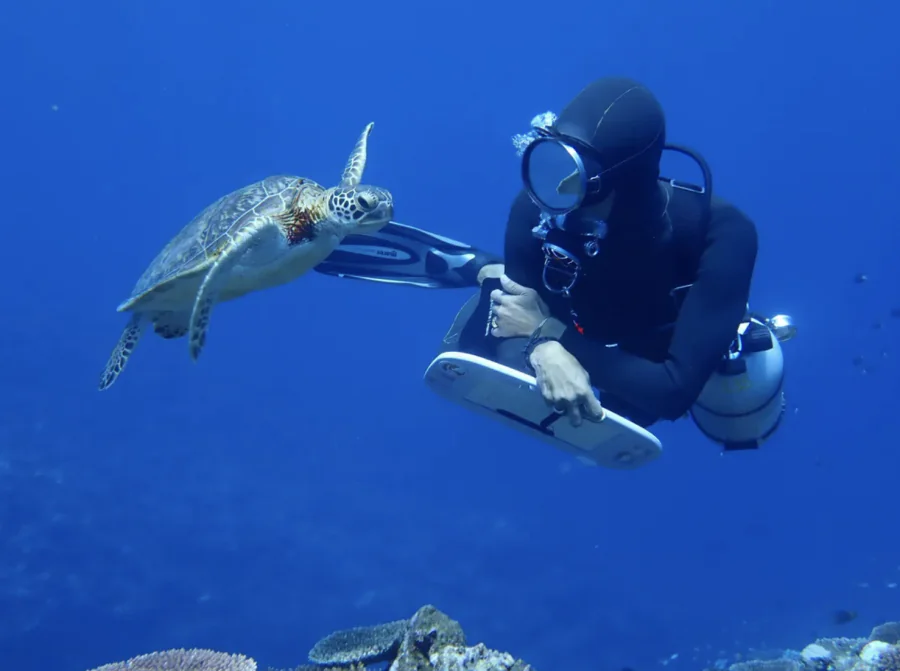
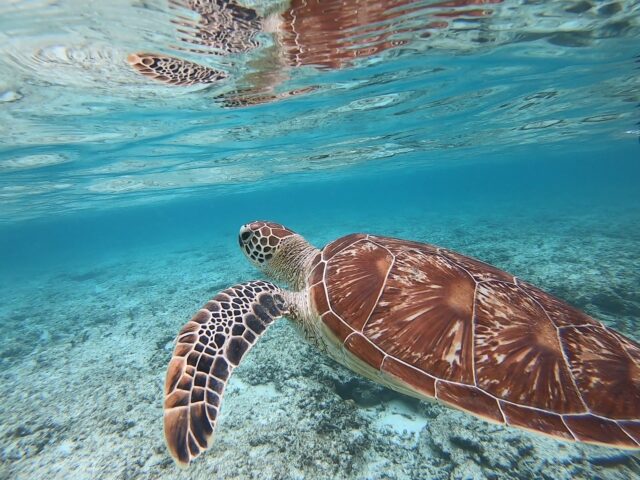
Water temperatures drop, but clarity is more stable, and it is an exciting time to see sea turtles and the large migratory fish that appear in winter.
Because the store provides thick suits and hot water,measures against the coldMake sure you are well prepared for your winter adventures!
About Diving in Ishigaki Island in Winter
↓Click here for more information.
Ishigaki Island diving is
Can I join in the afternoon?
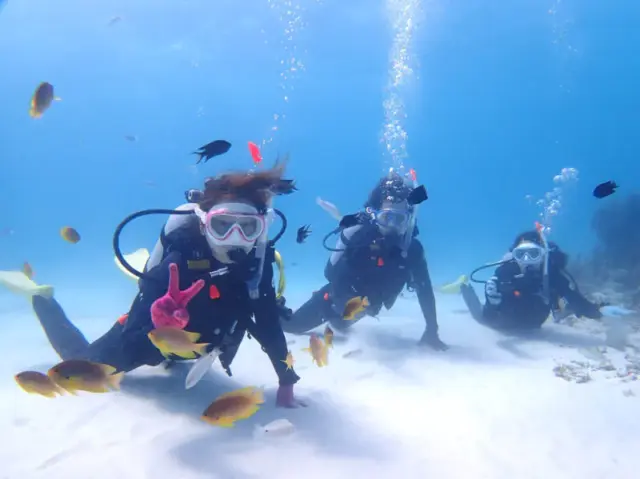
Many stores on Ishigaki Island offer half-day courses in the morning or afternoon that you can choose according to your travel schedule, or plans that you can join immediately after your arrival.
Afternoon tours are available if you take a flight arriving to Ishigaki Island in the morning,On that day.A major advantage is the ability to experience the beautiful ocean!
Limited time to stay.effective useThe program is very popular among those who want to combine sightseeing and activities in an efficient manner.
Difference between morning and afternoon plans
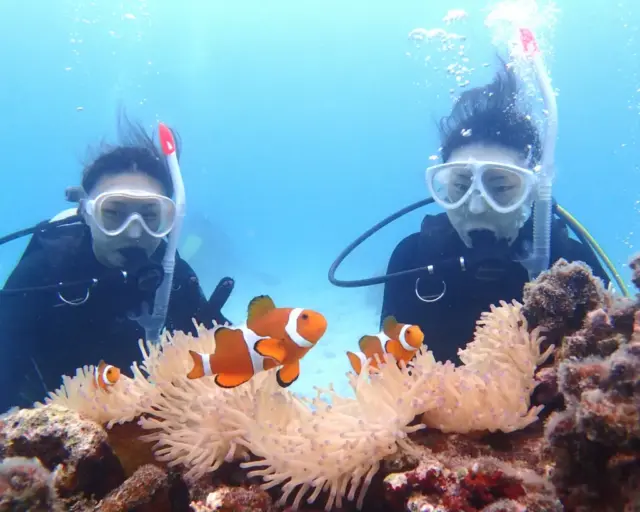
The morning plan is the morningcrisp, clear airYou can spend a full day diving in the middle of the sea, and after the dive is over, you can spend the afternoon sightseeing.
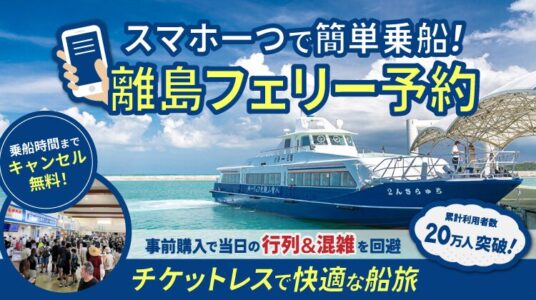
On the other hand, the afternoon plan is to make the morningslowlySuitable for those who want to spend time or enjoy lunch around the remote island terminal before joining the tour.
There is not much difference in the experience itself between the two plans, but you can enjoy the changes in scenery due to the way the light enters and the tides rise and fall!
Ishigaki Island Diving
↓Click here for recommended half-day tours.
Learn more about half-day diving tours in Ishigaki Island.
Diving on the day of arrival
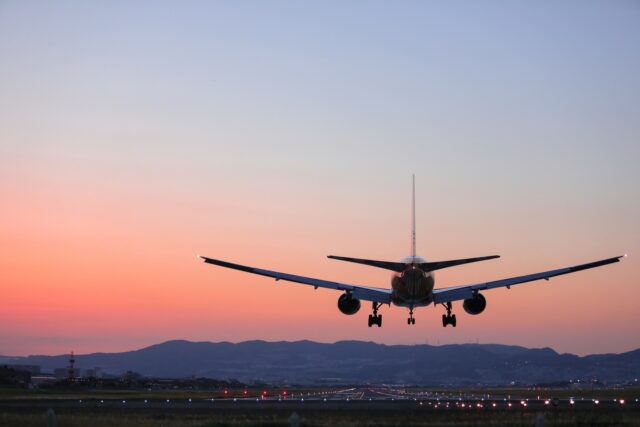
If diving immediately after arrival by plane, it is important to schedule your dive well in advance to allow for flight delays.
Also, after diving18 to 24 hoursis due to changes in atmospheric pressuredecompression sicknessBe sure to follow the rule that you cannot board an airplane to avoid the risk of
If you are not in perfect physical condition, taking it easy and getting a good rest before diving the next day is a safe travel option.

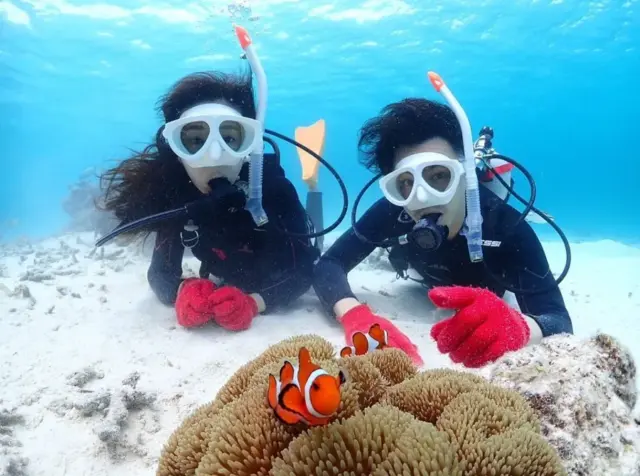
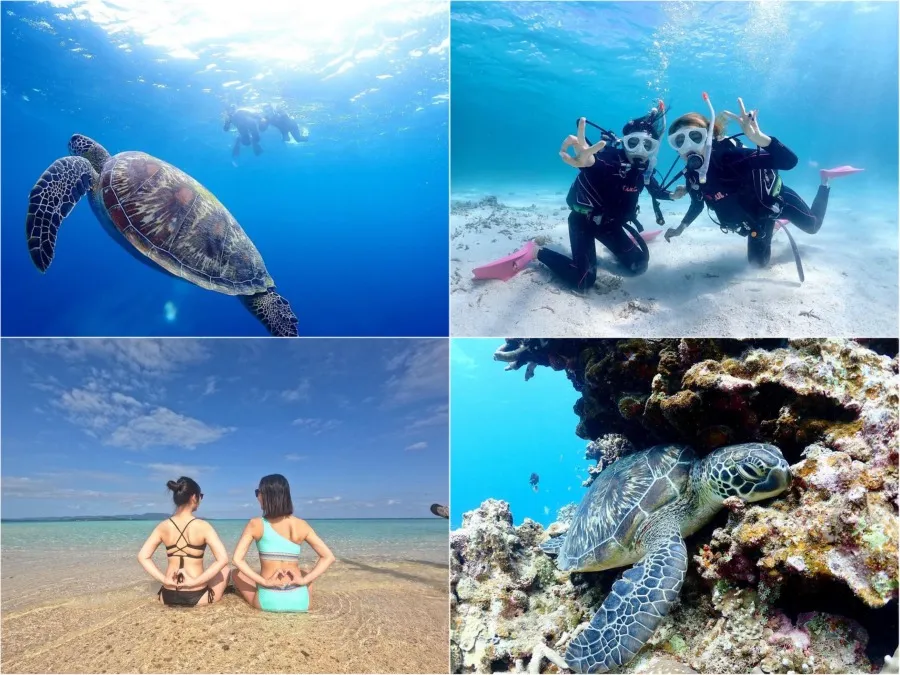
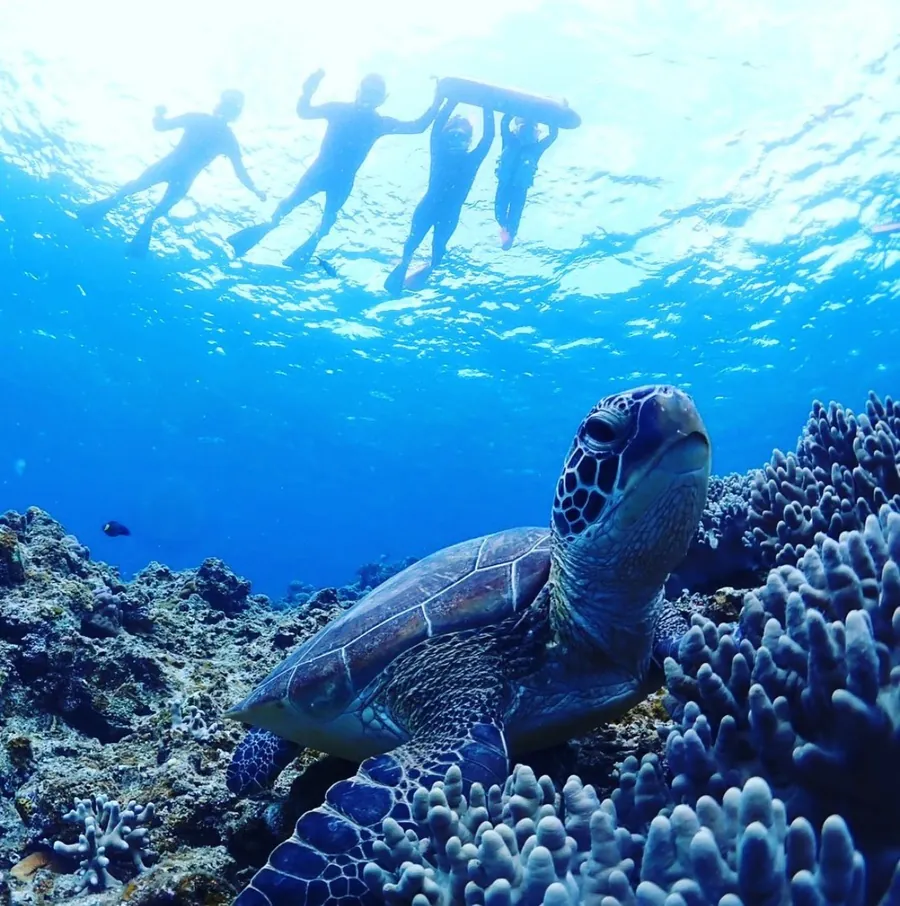
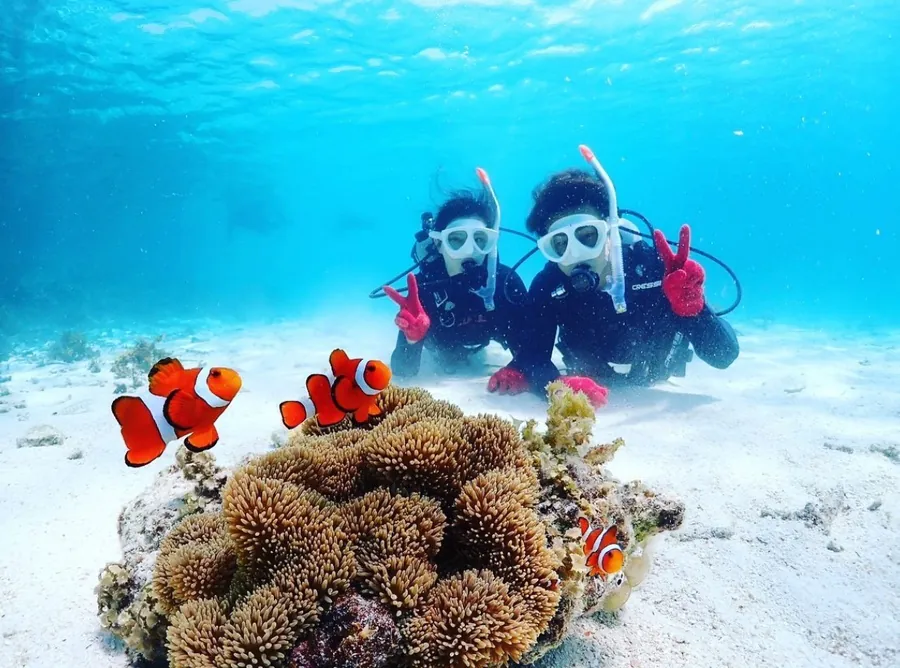
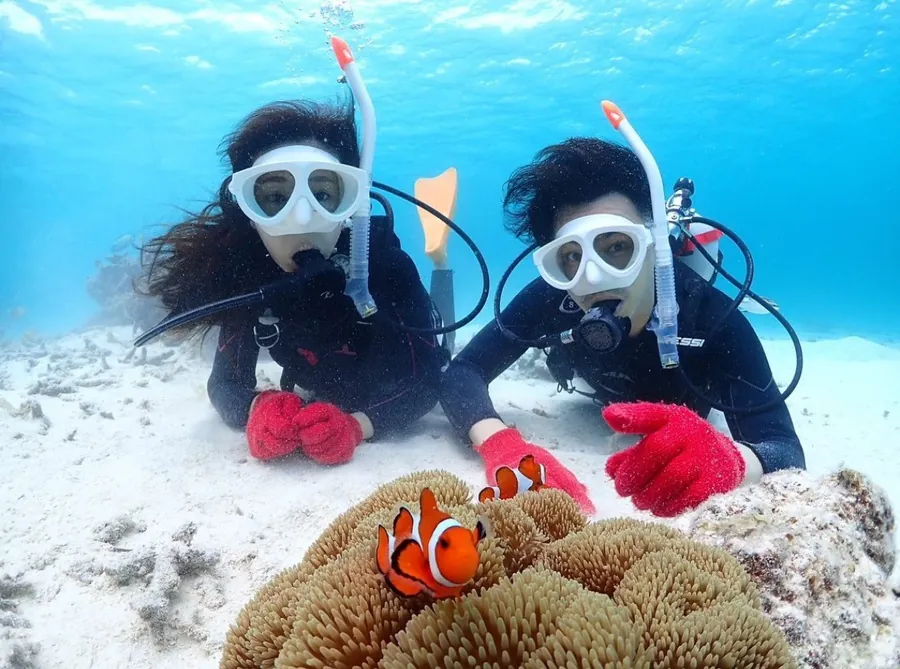
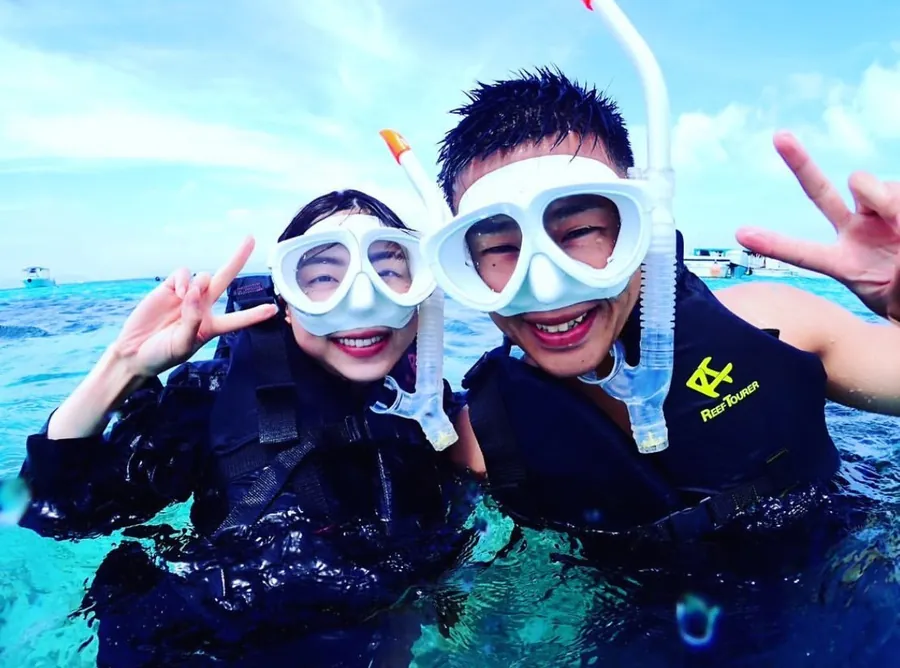
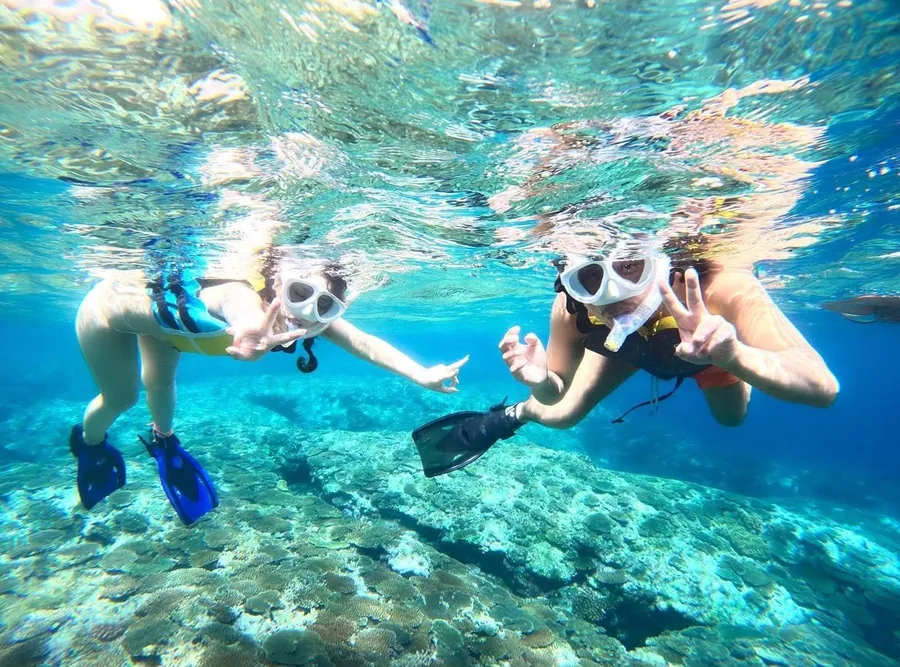
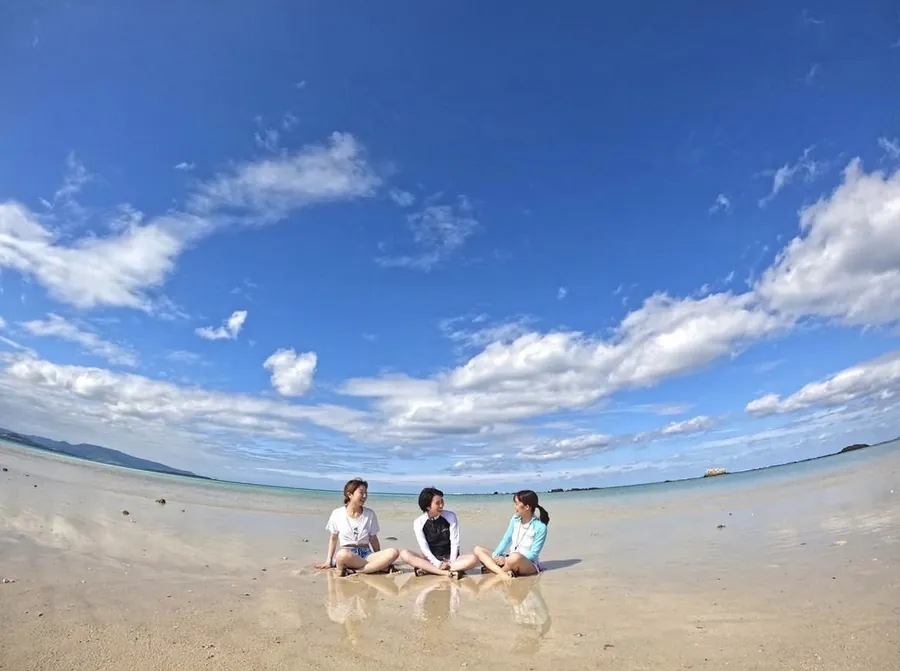
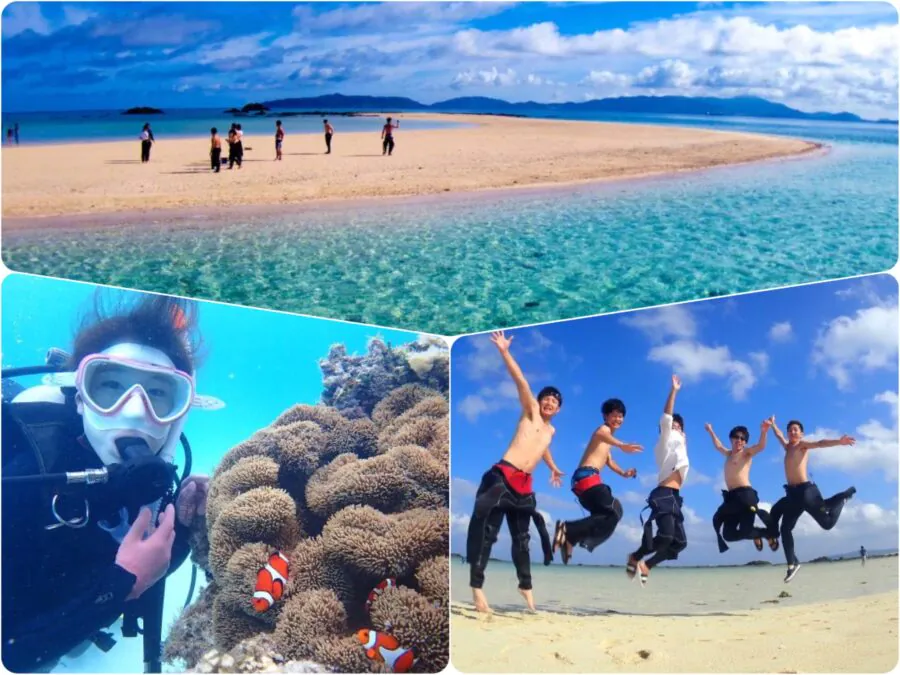


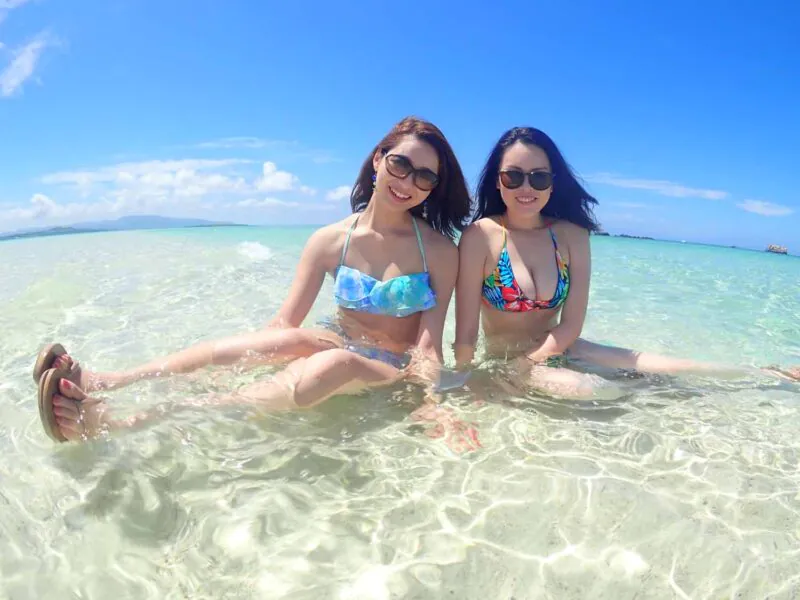
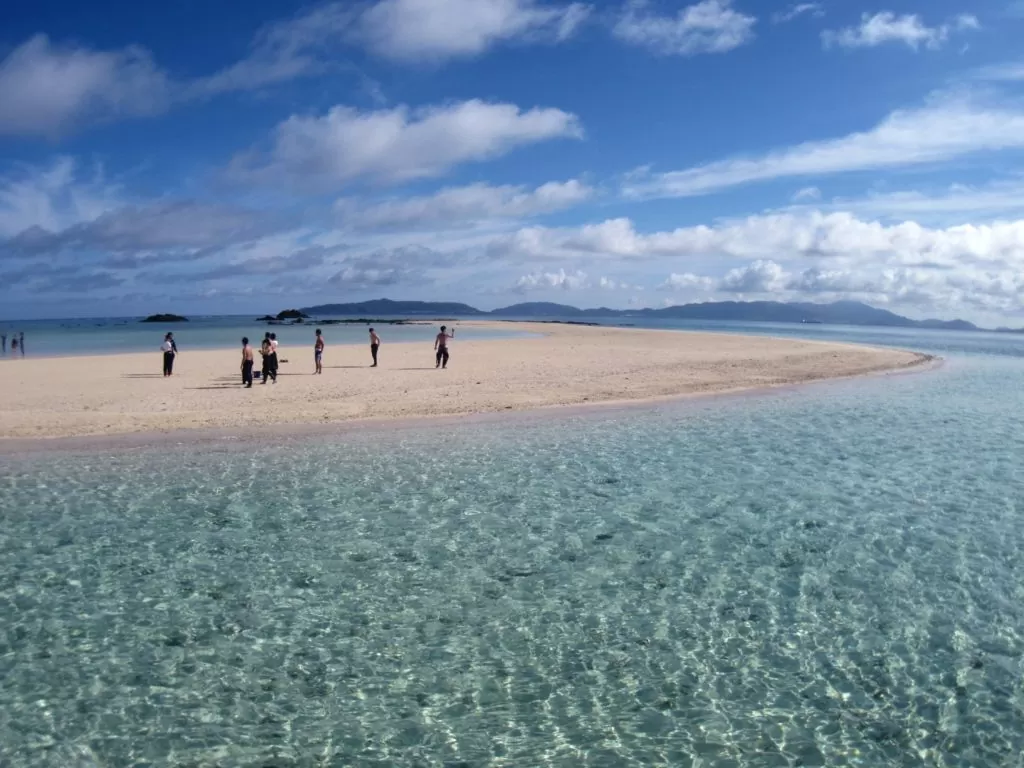
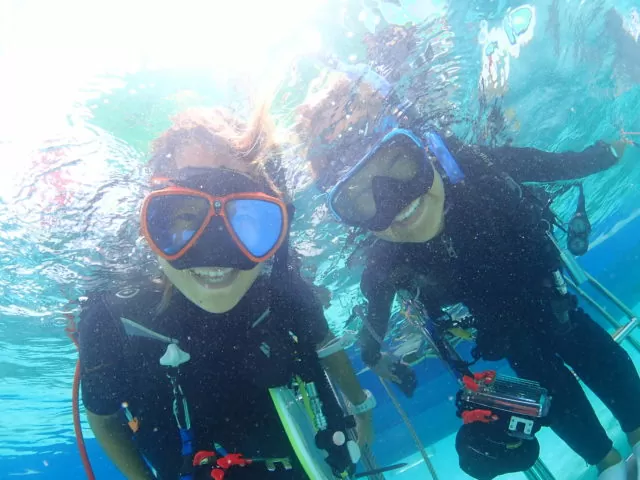
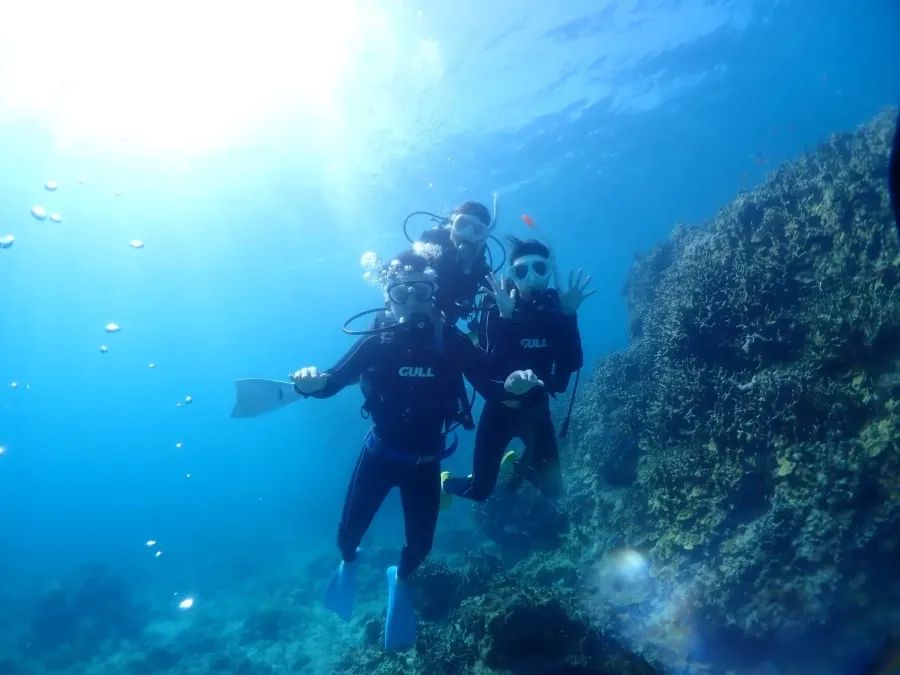
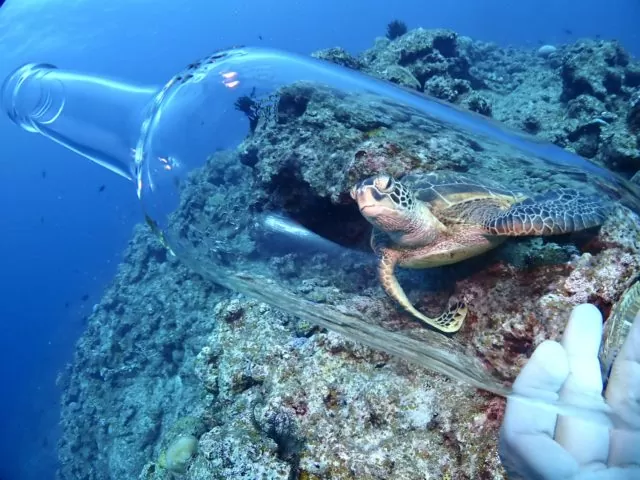
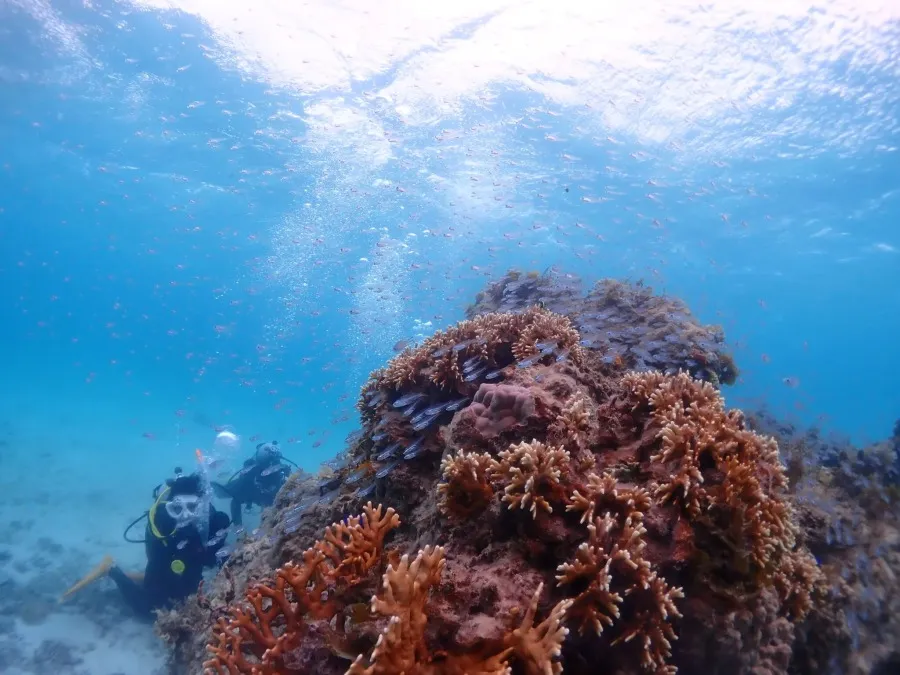
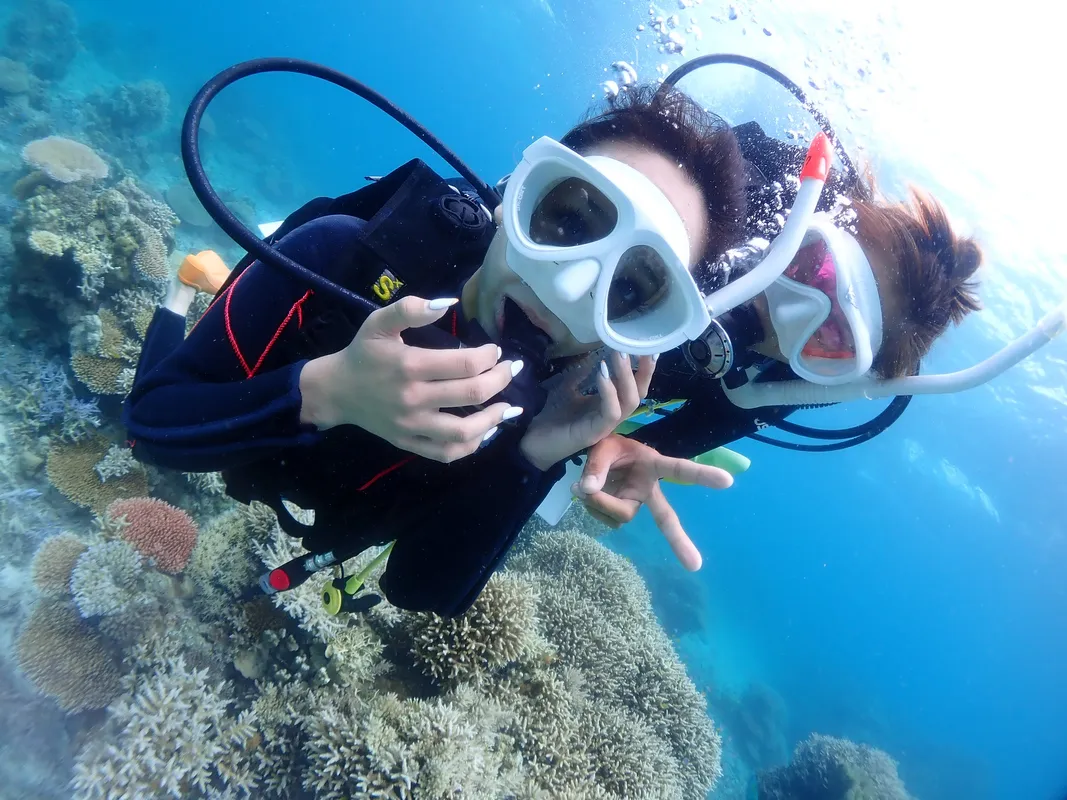
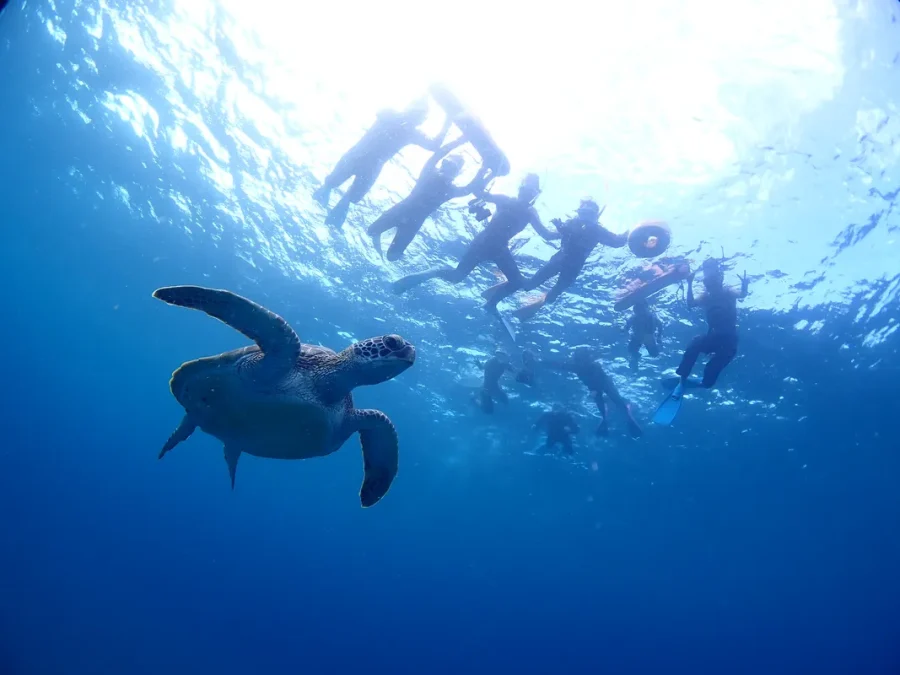
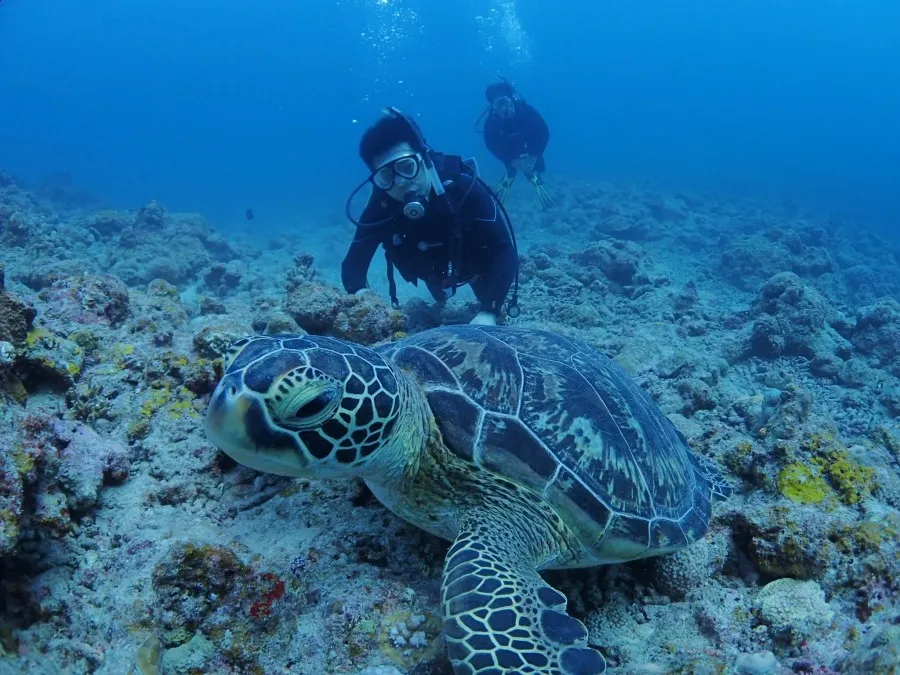
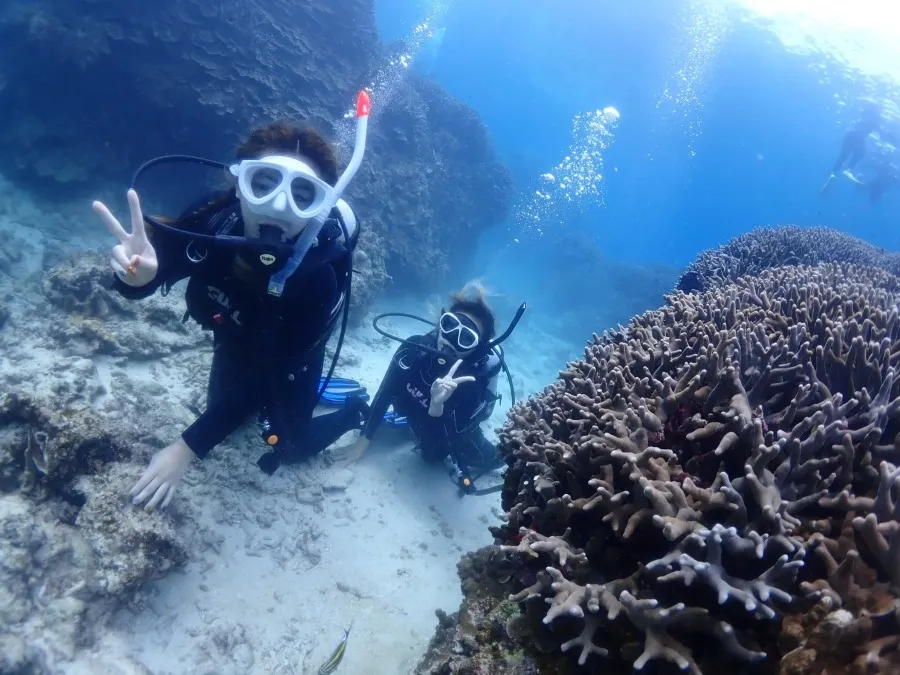
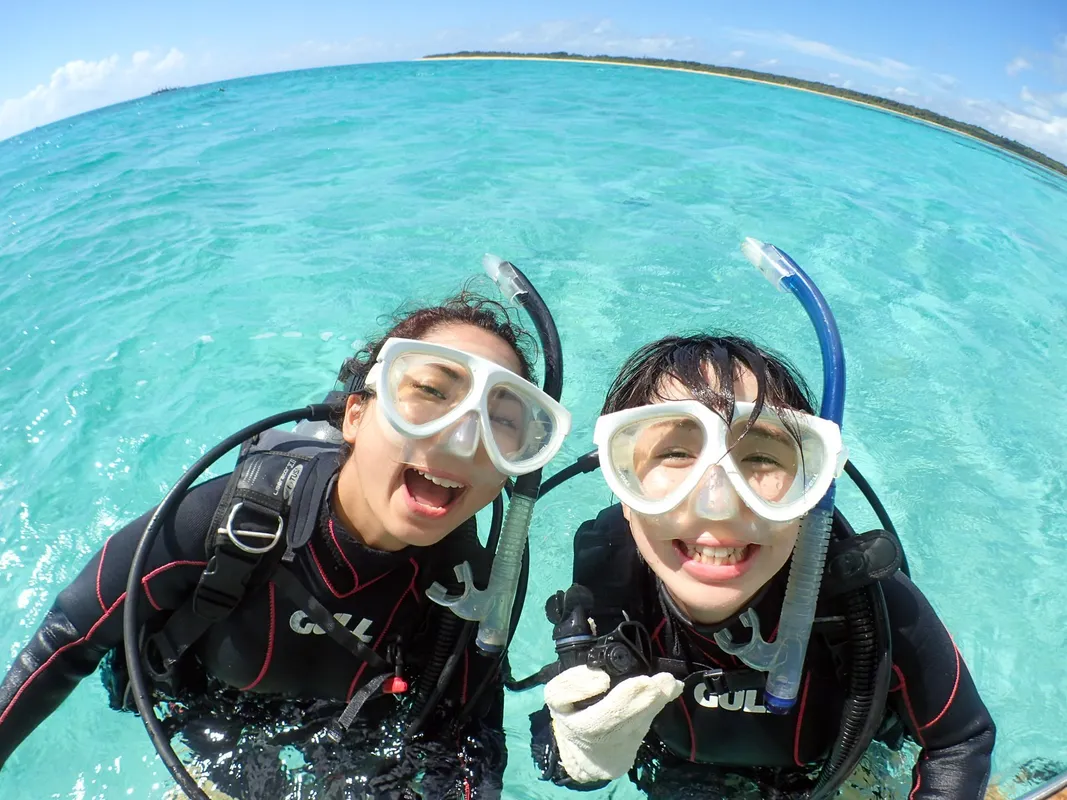
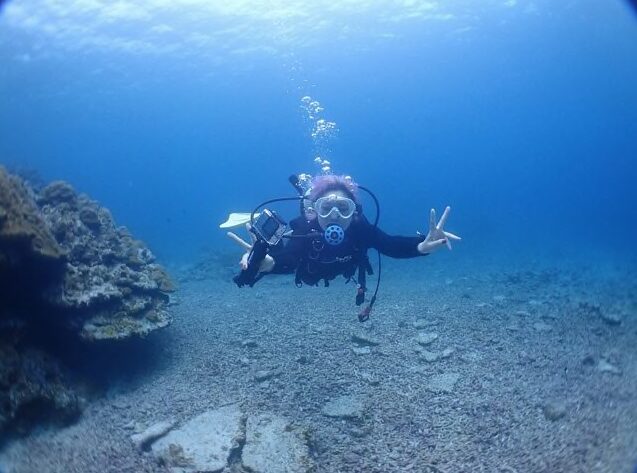
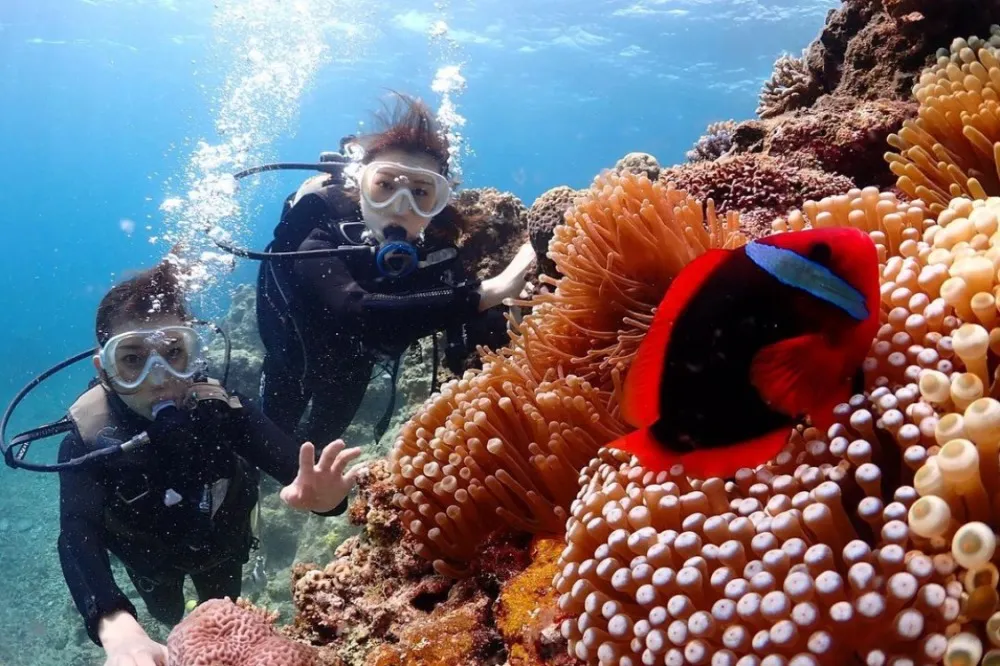

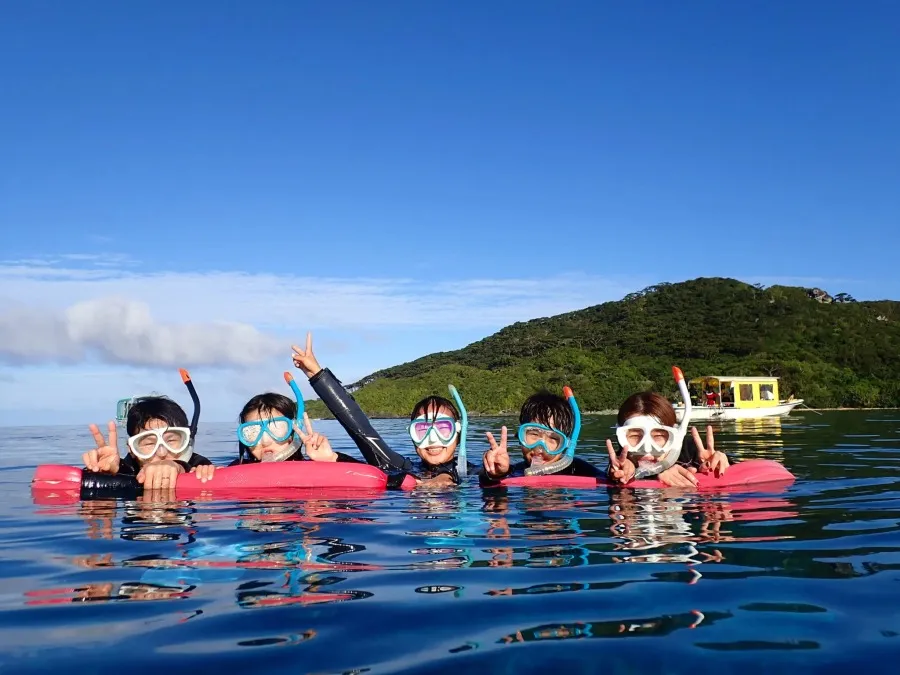
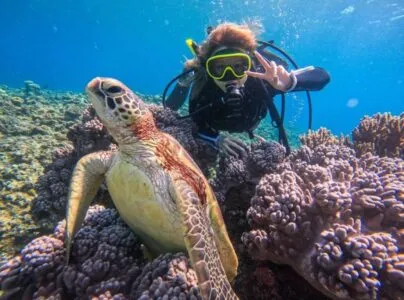
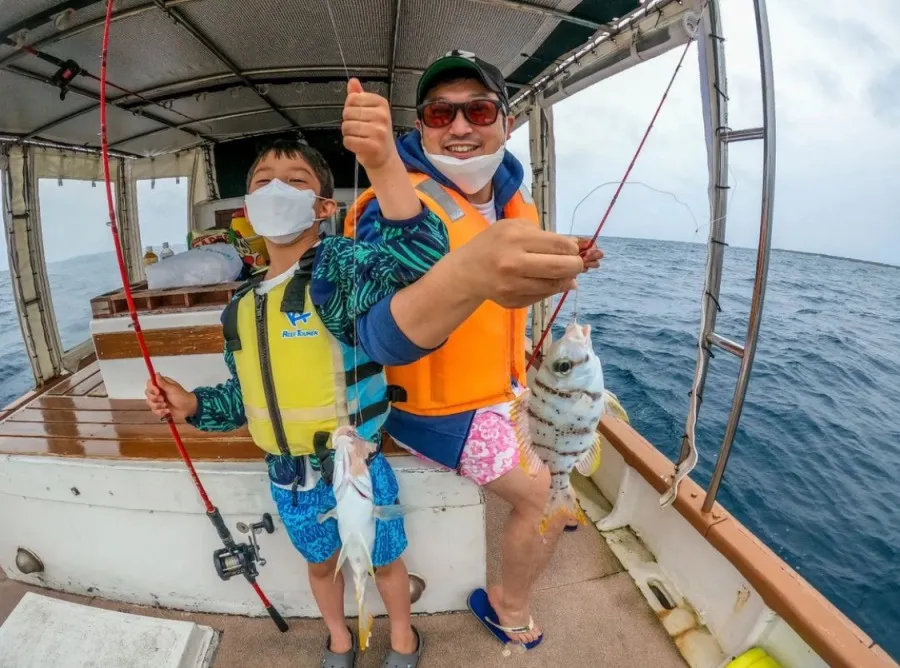
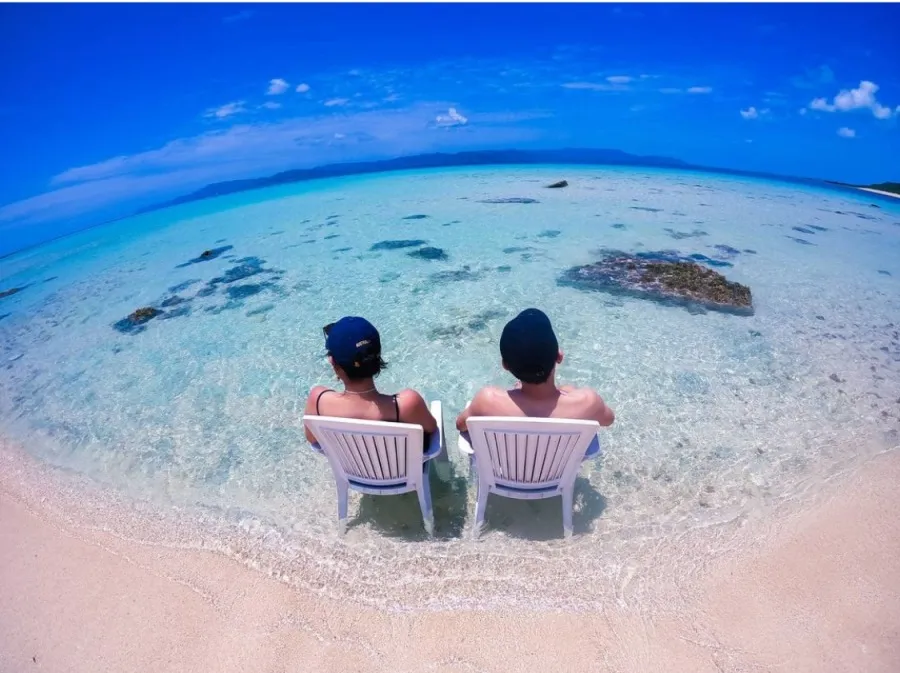
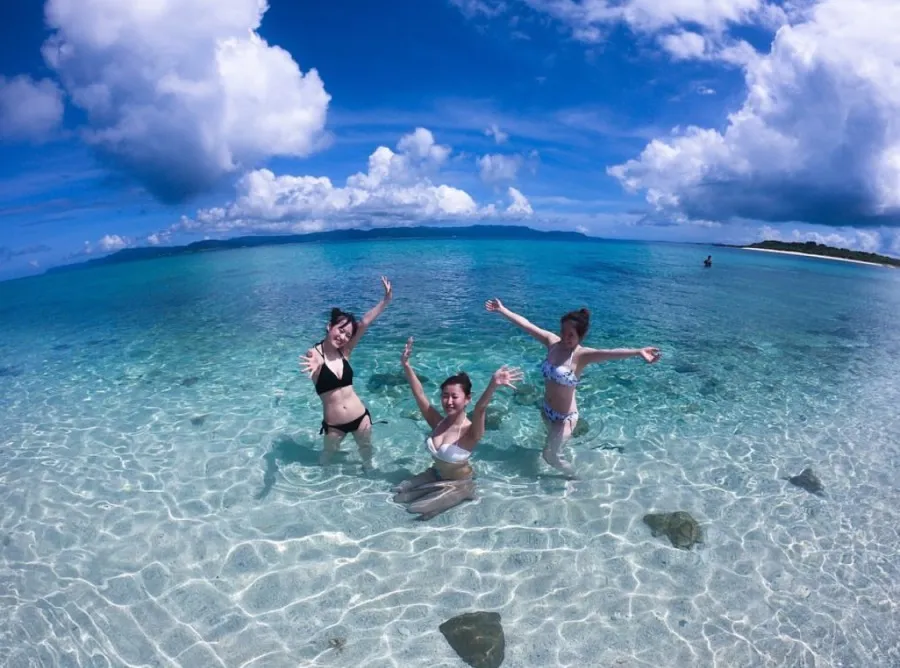
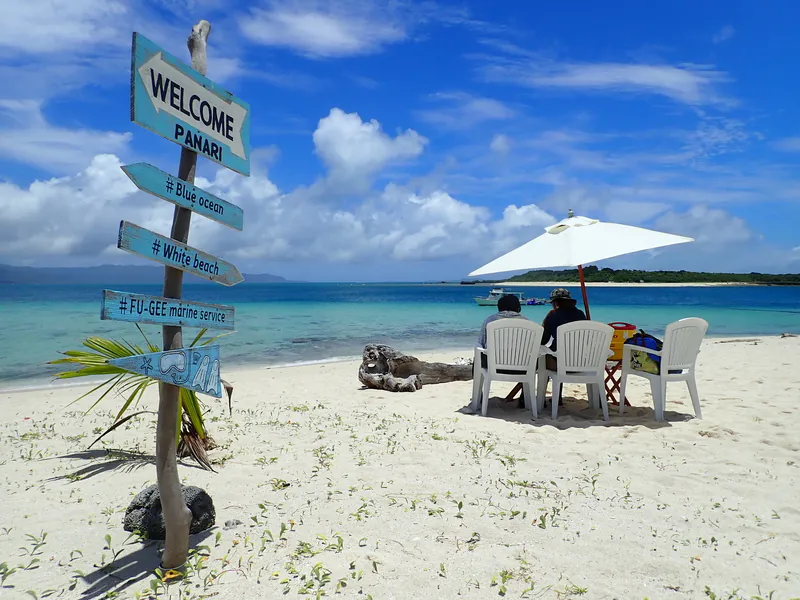
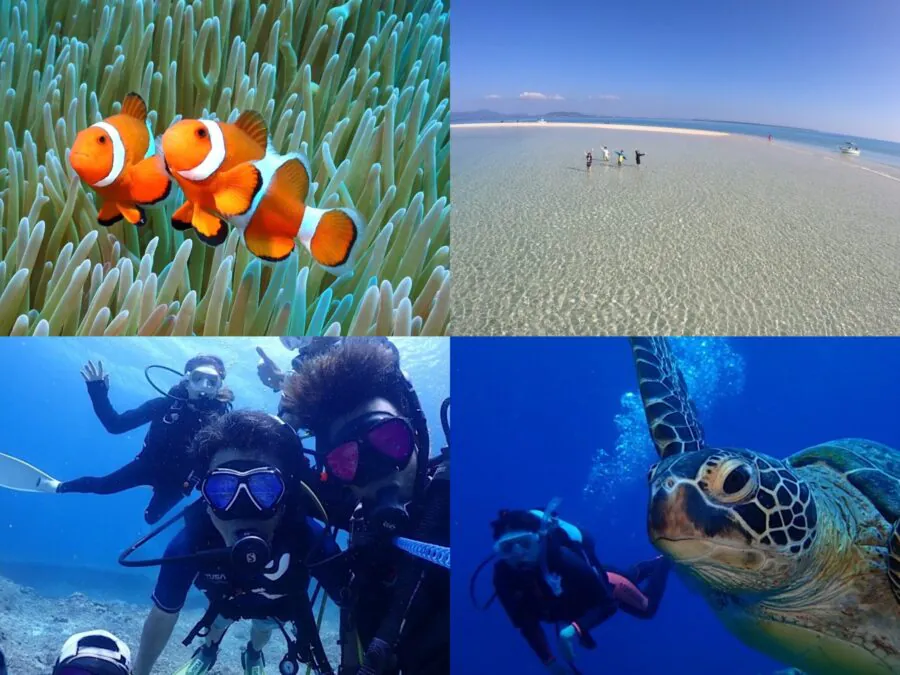
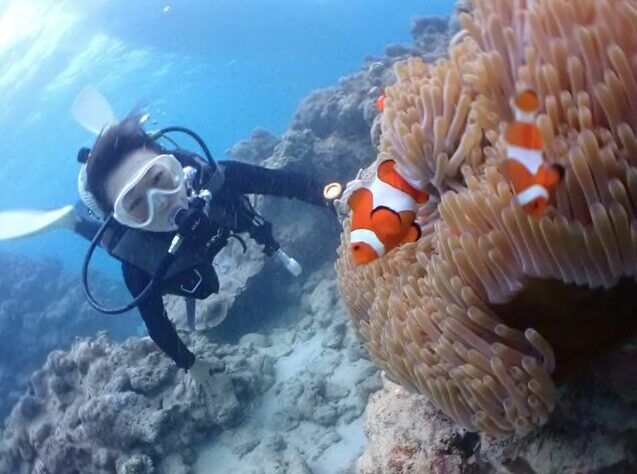
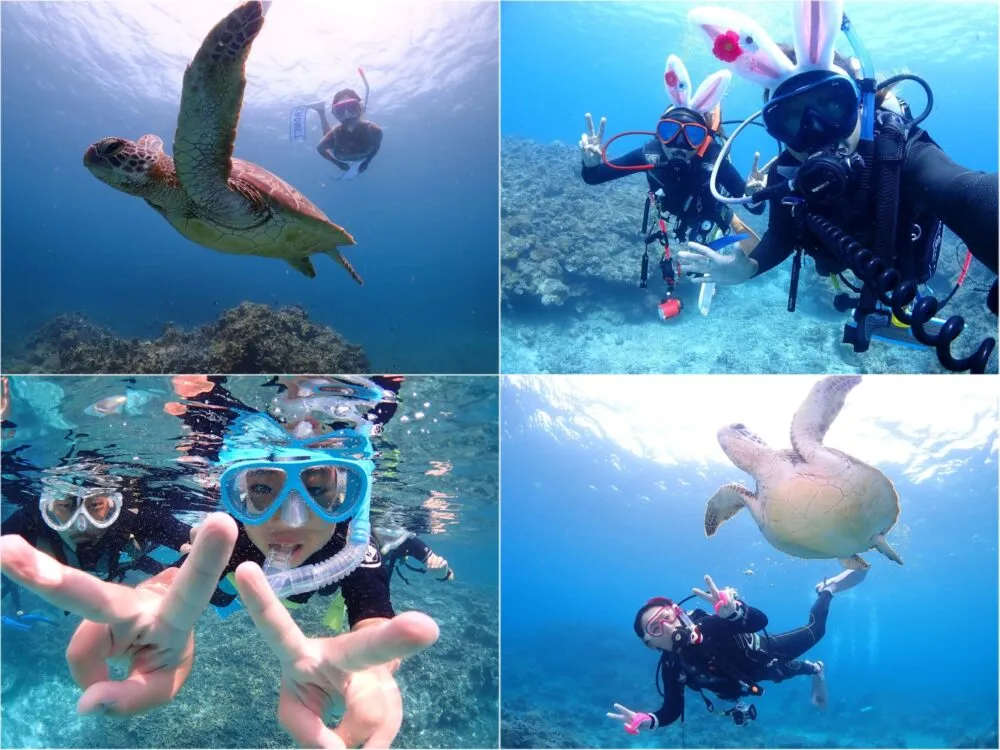
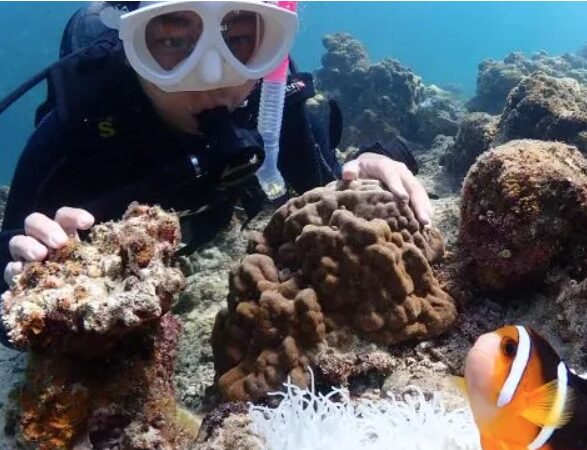
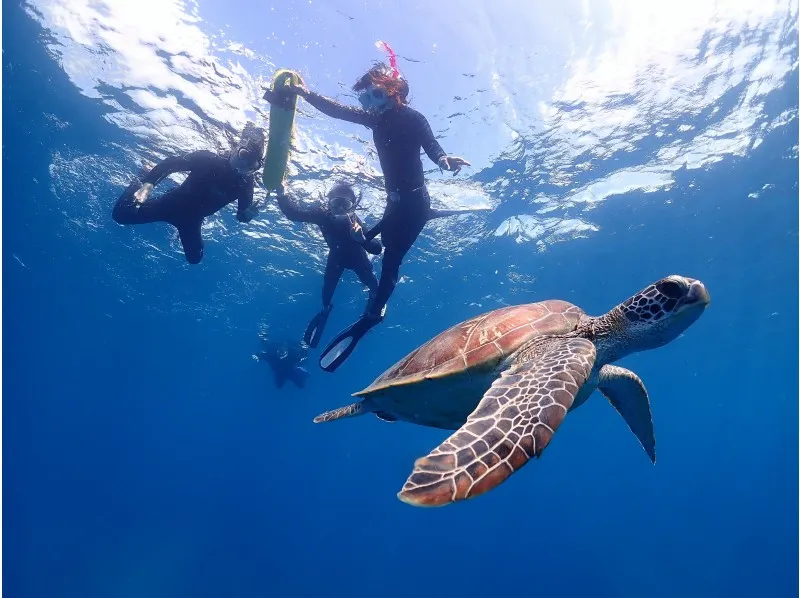
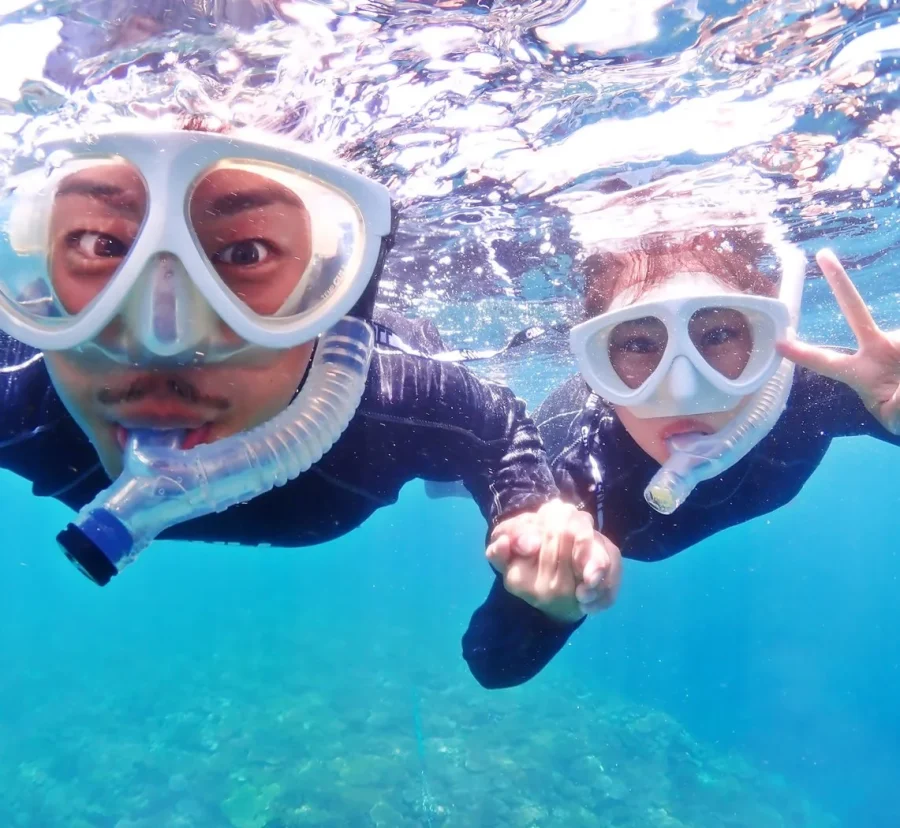
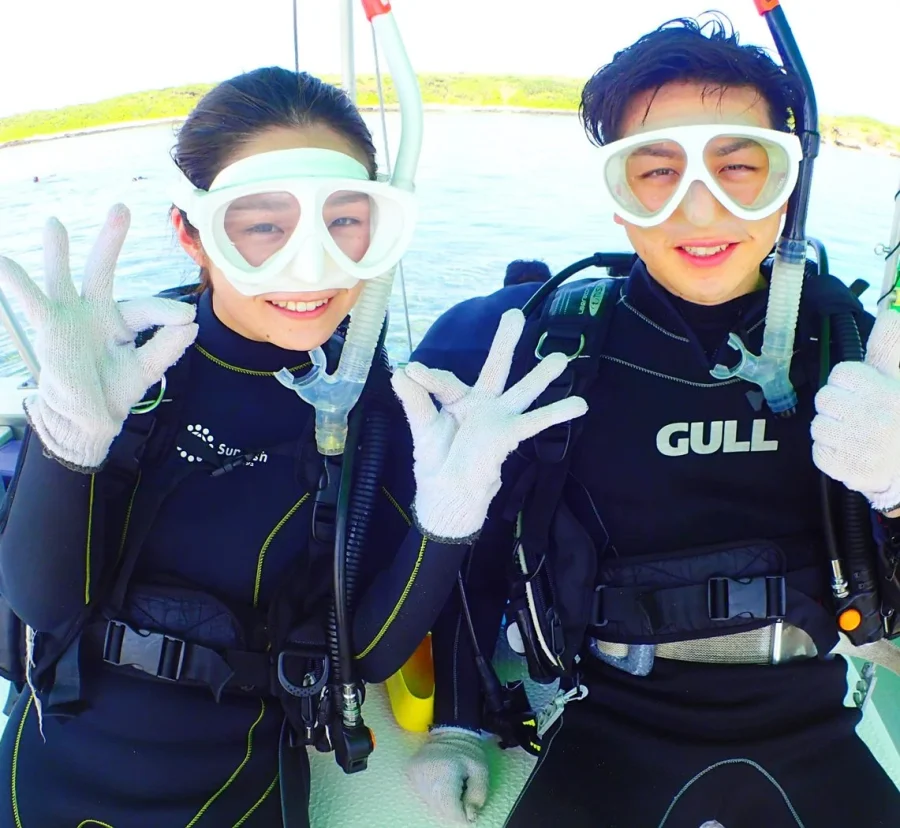
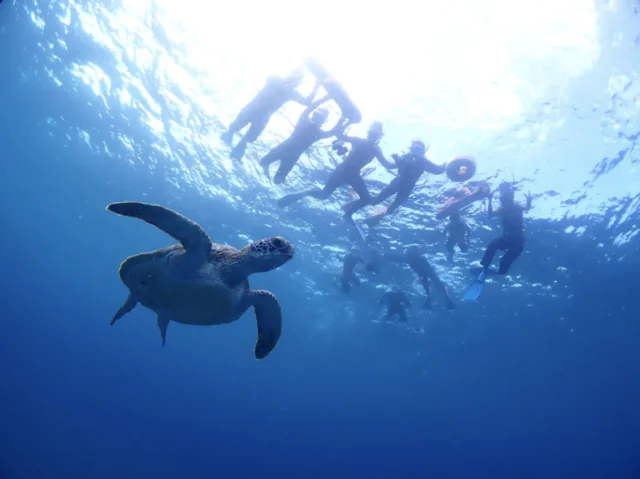
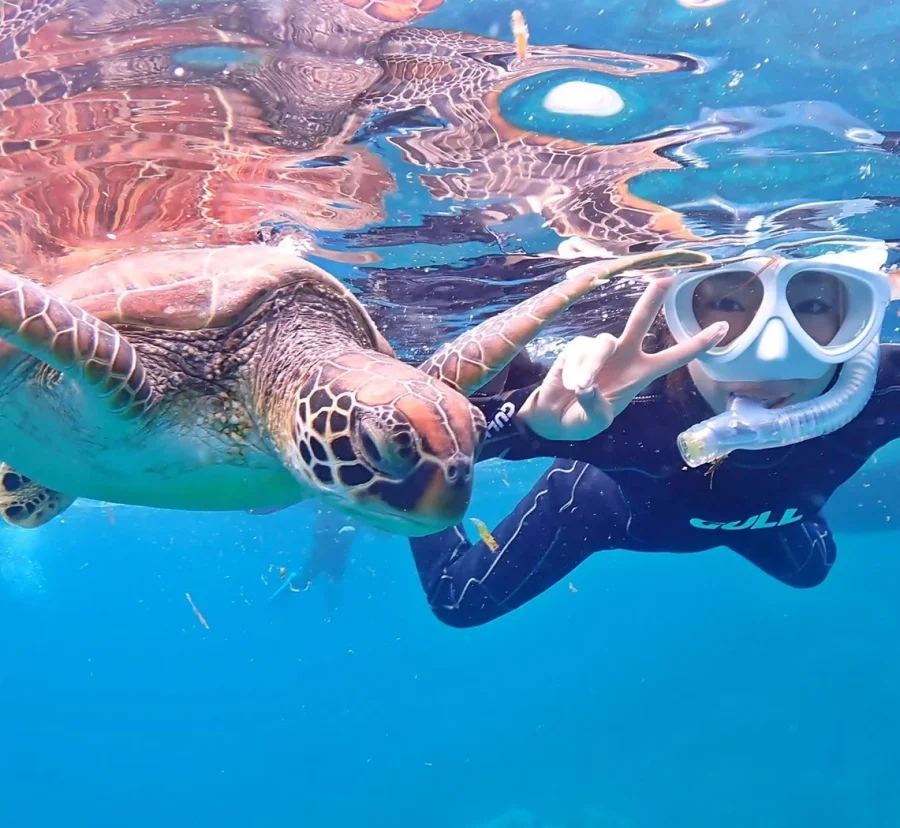
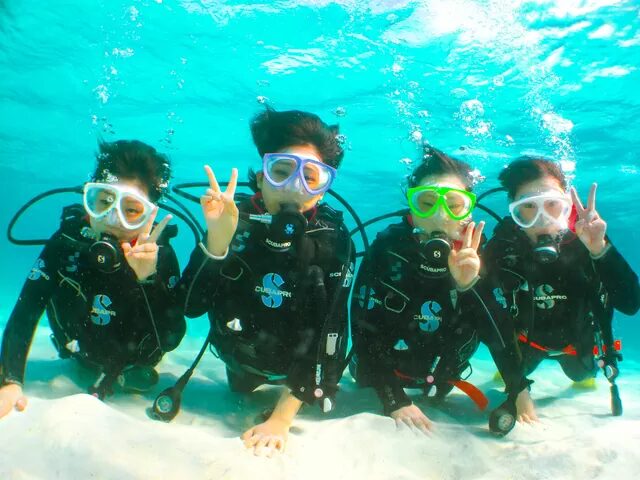
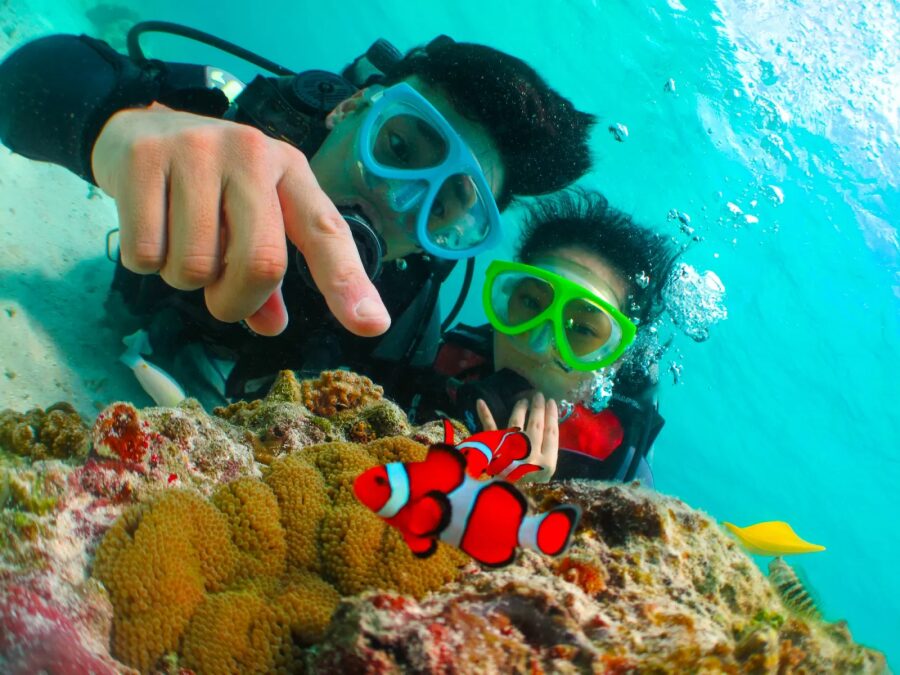
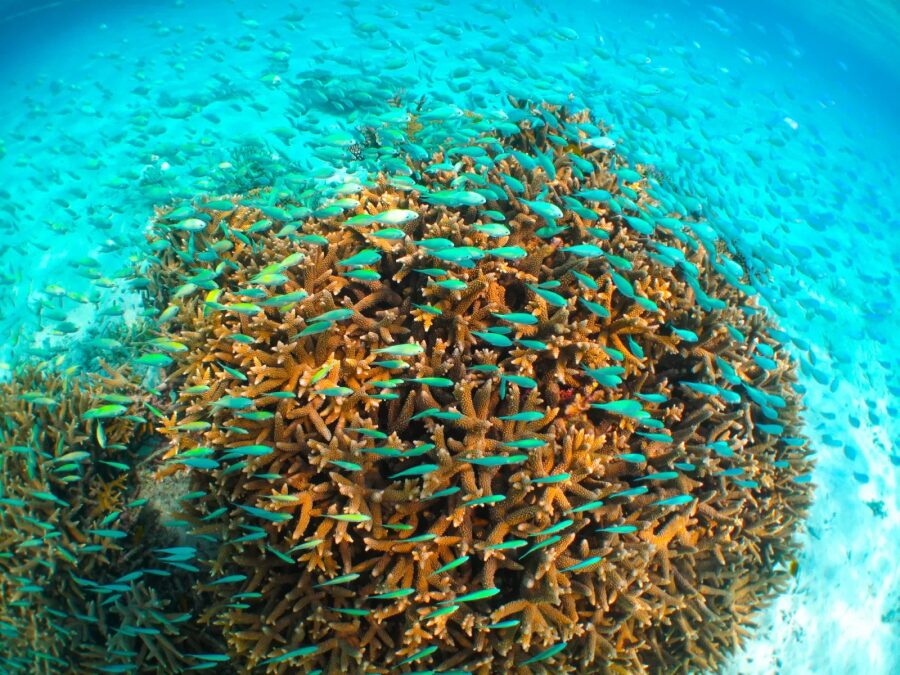
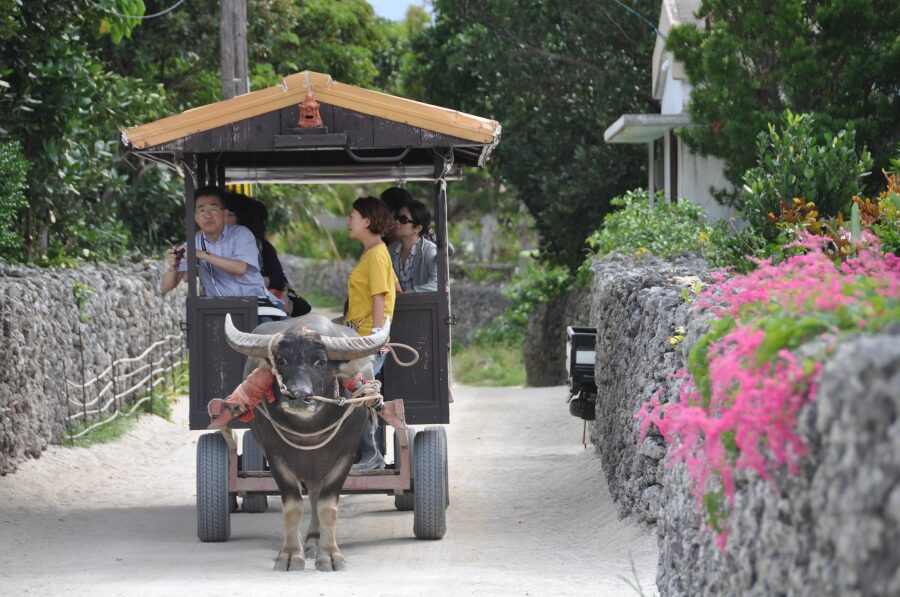
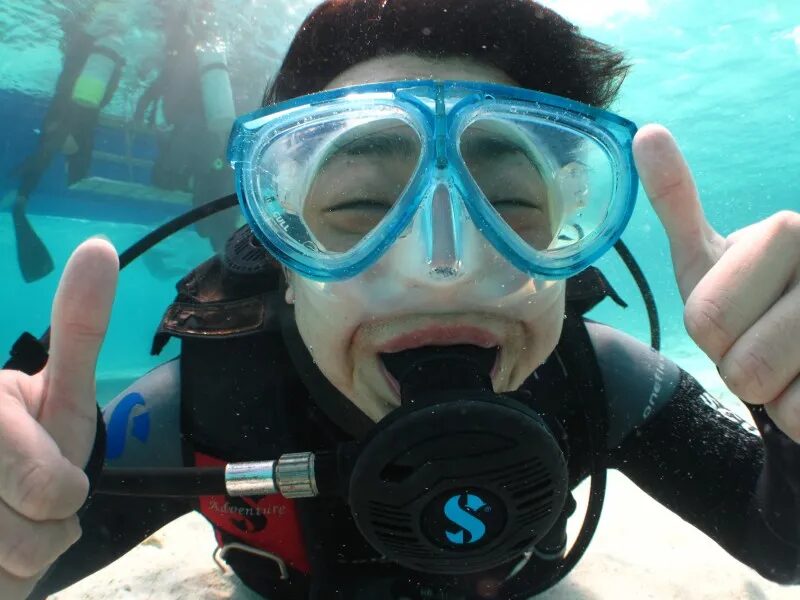
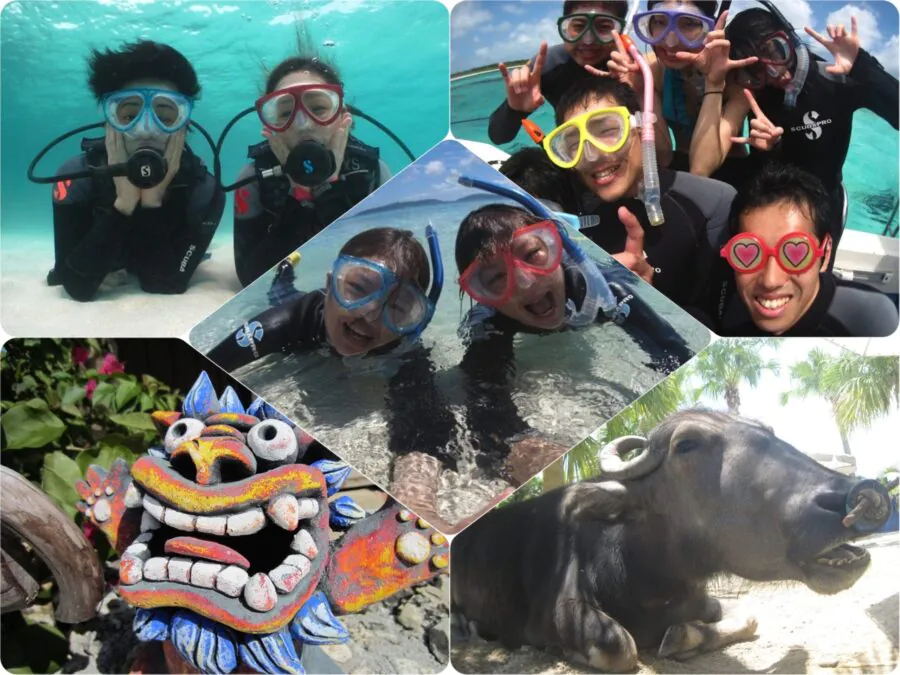
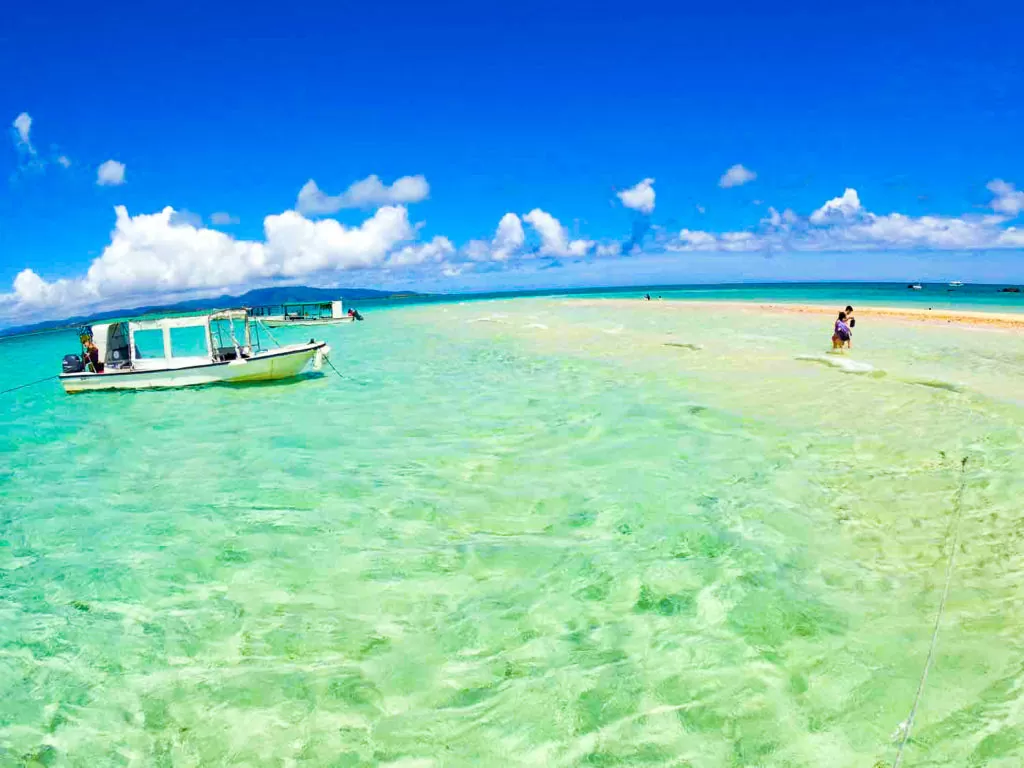
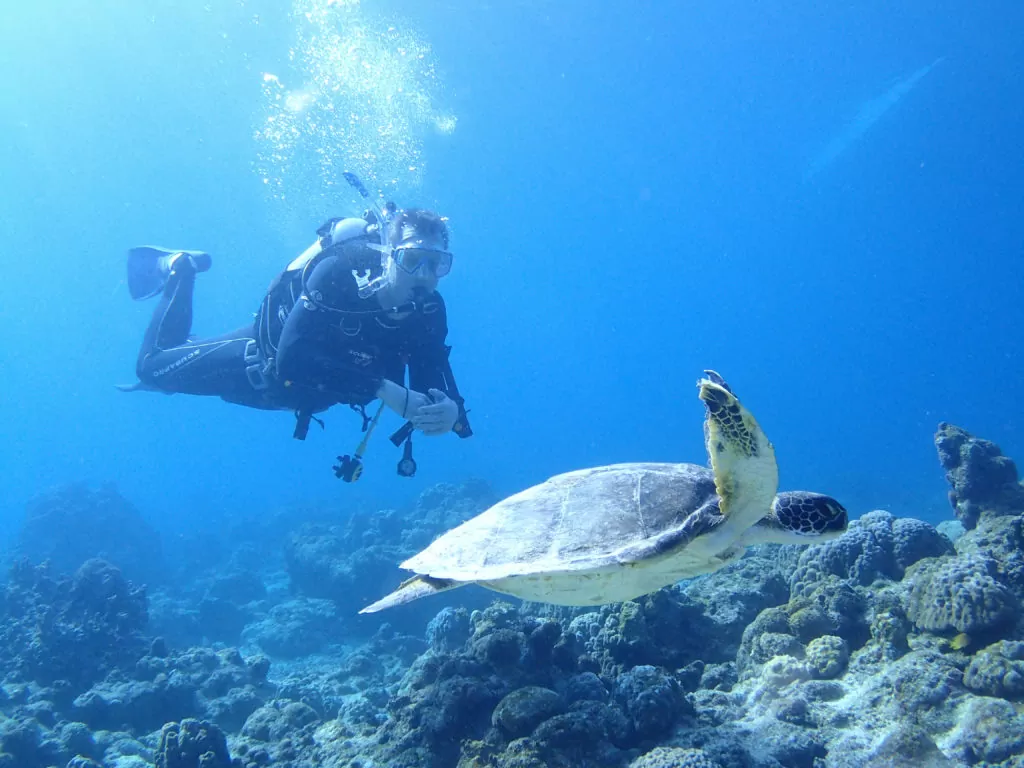
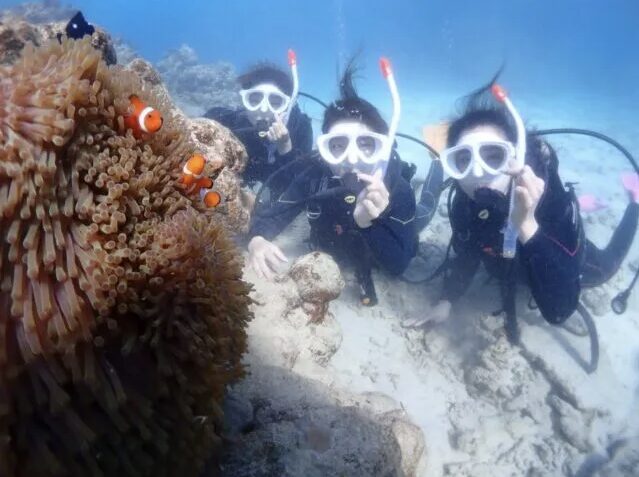
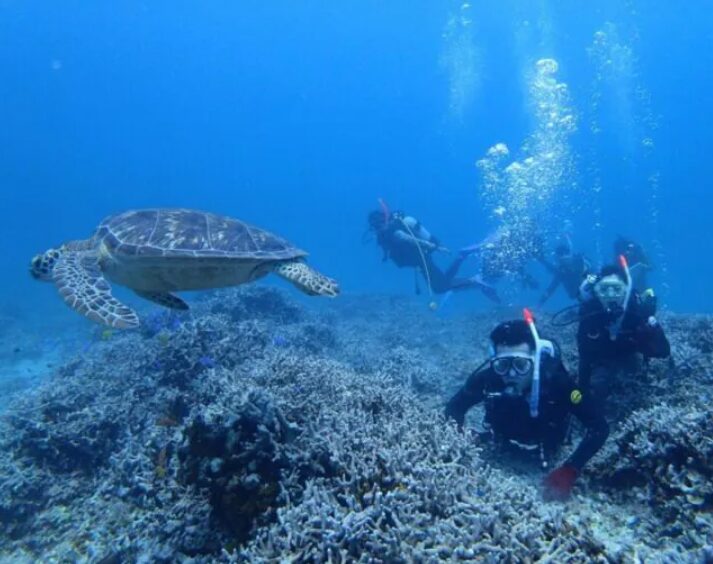
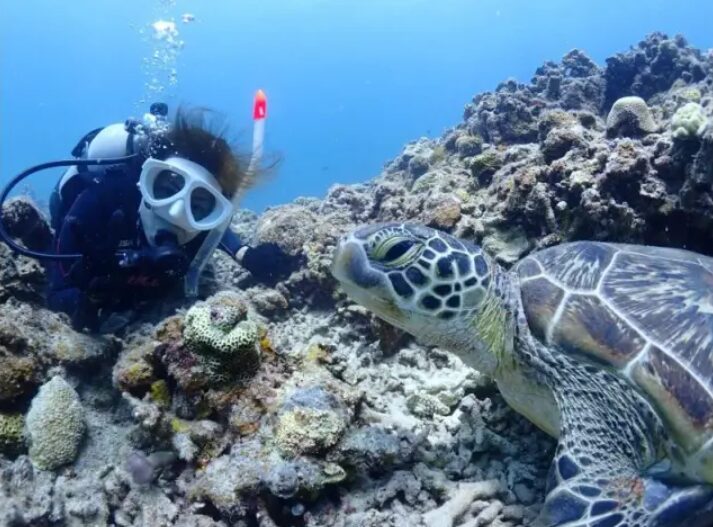
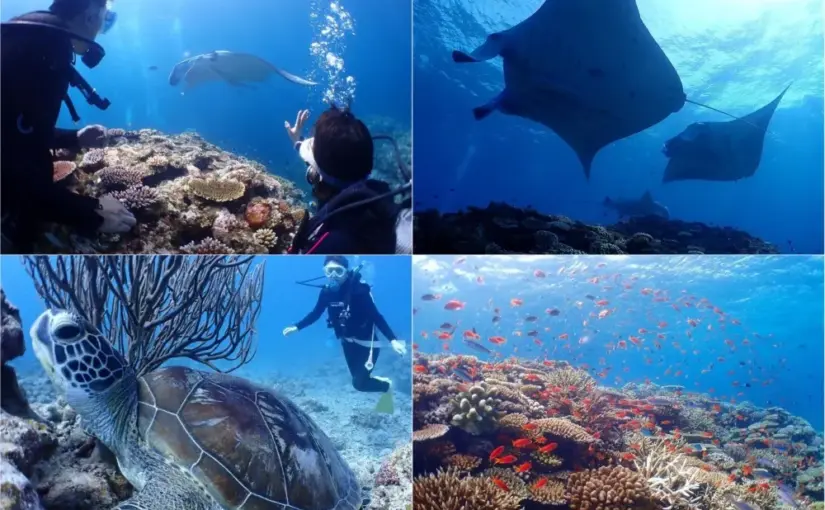
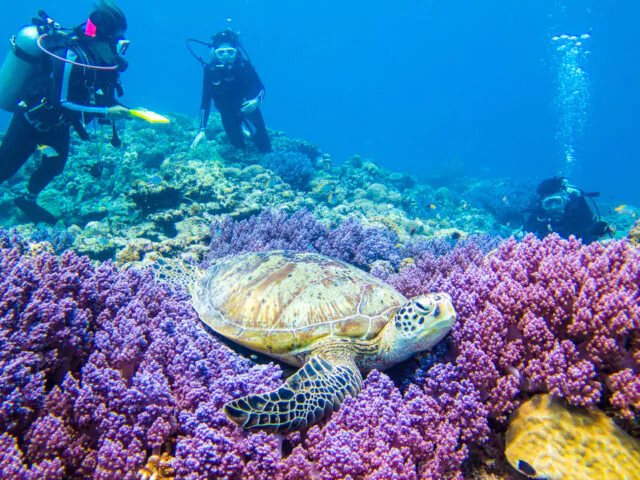
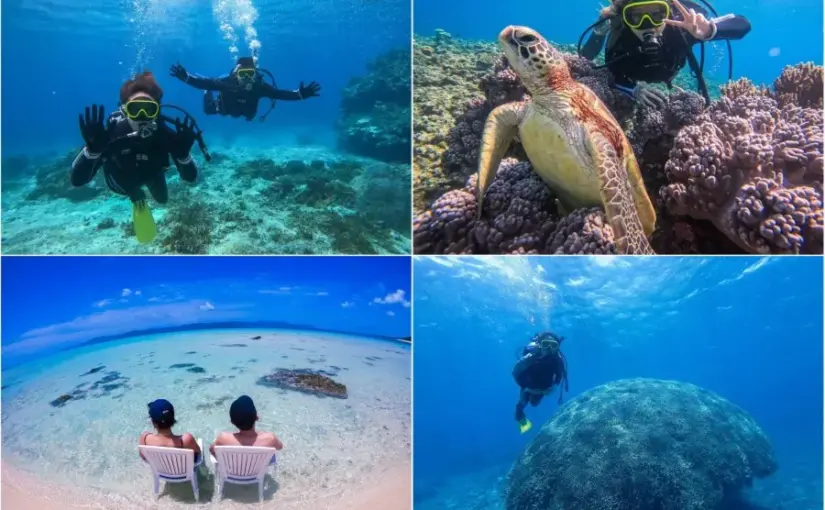
![Ishigaki Island/1 day] Encounter rate is more than 90%! Manta Ray or Sea Turtle Snorkeling & Phantom Island Landing & Experience Diving Tour☆Beginners are welcome Small group for your safety♪ (No.525)](https://diving.ishigaki-tours.com/wp-content/uploads/2025/05/4a878e39f2767f0e13f58c6185be1b23-825x510.webp)
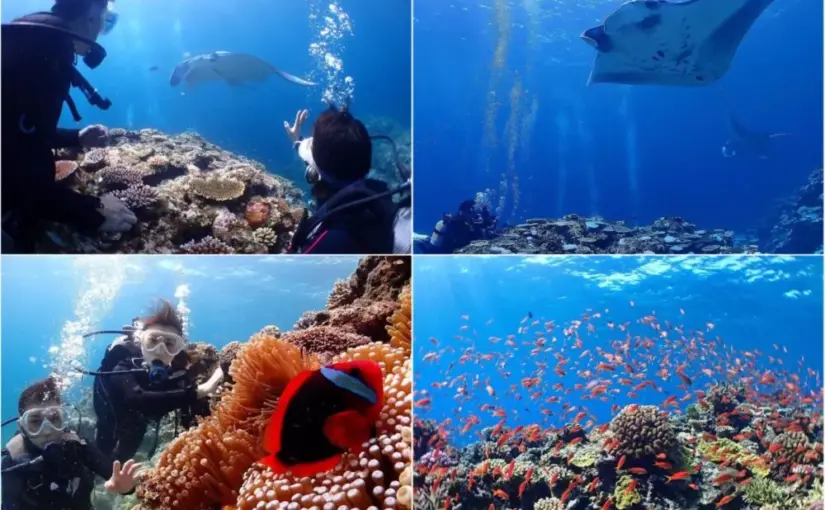
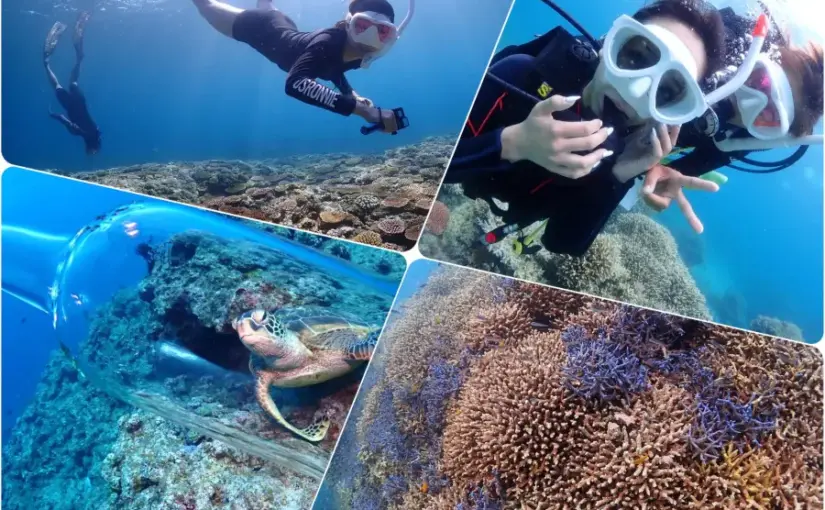
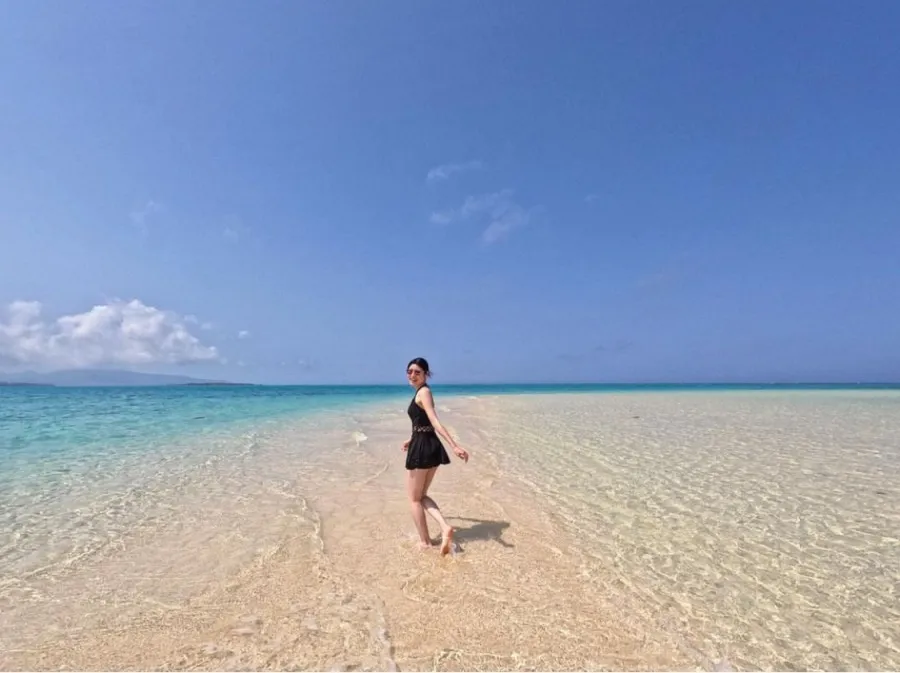
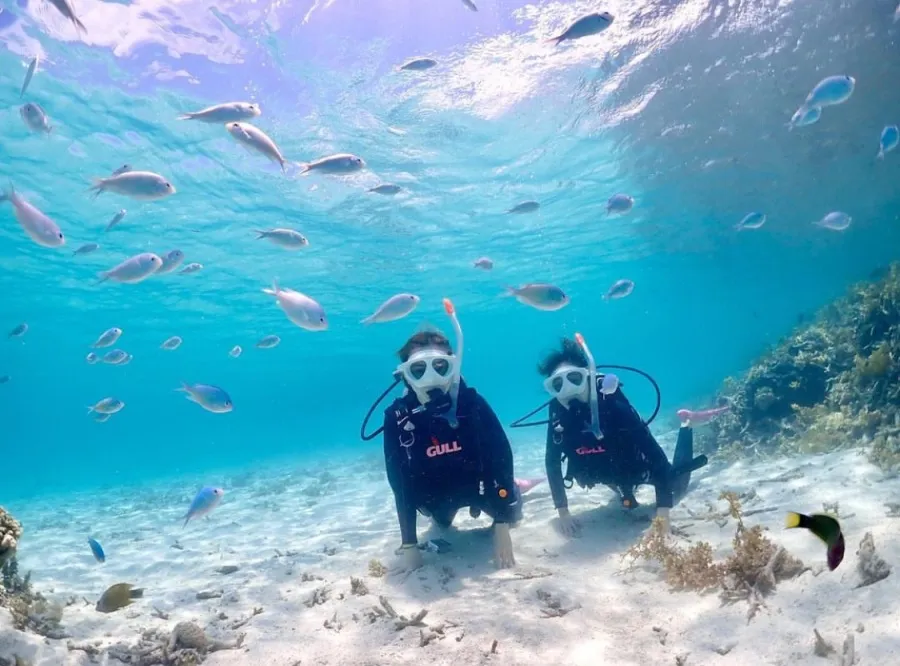
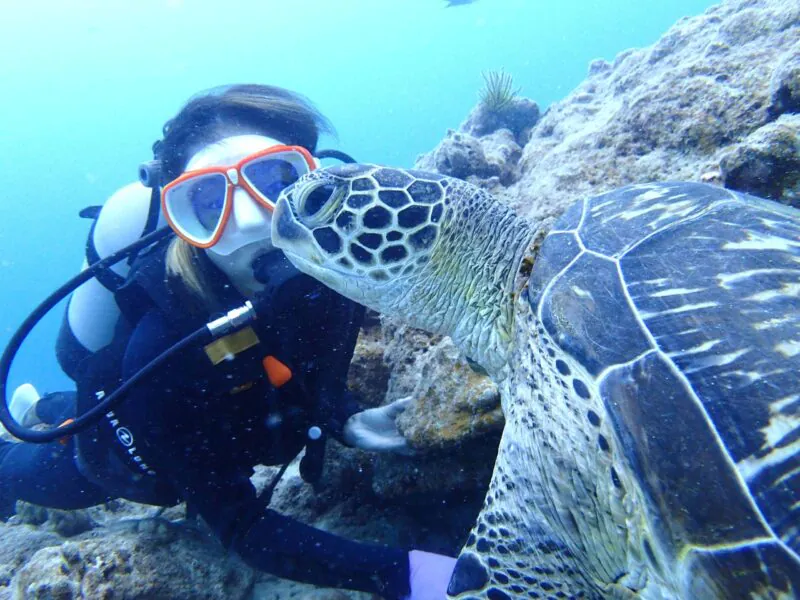
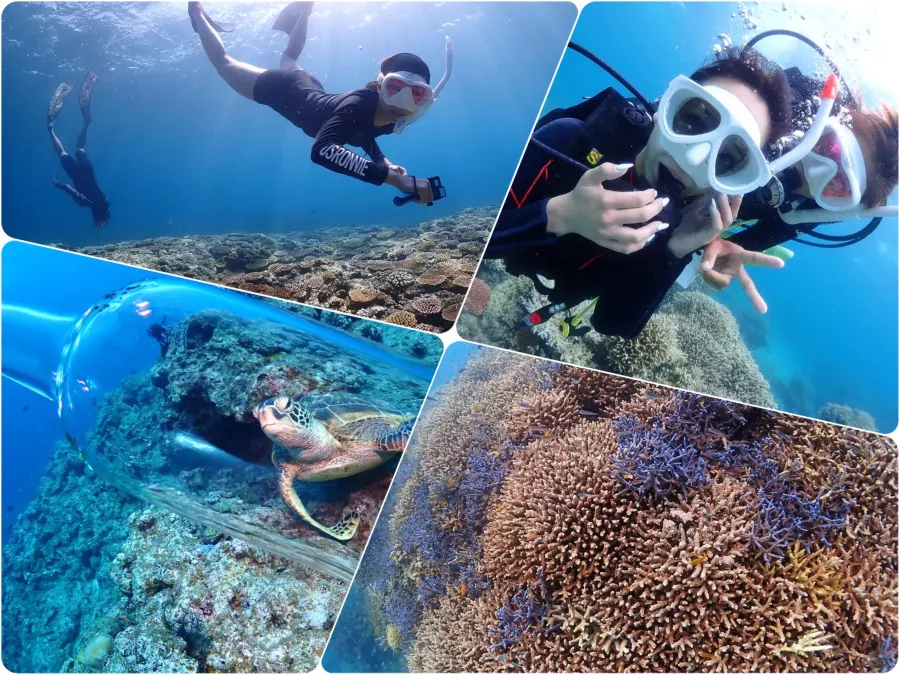
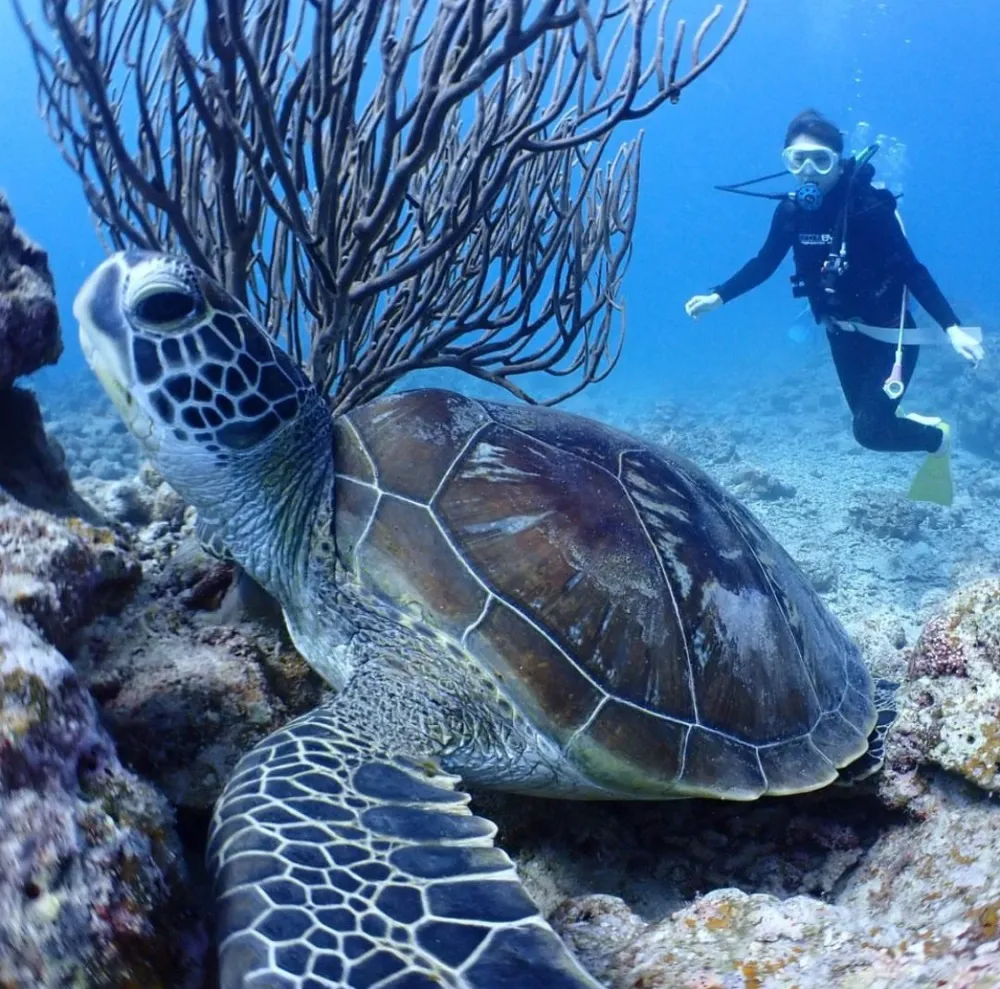
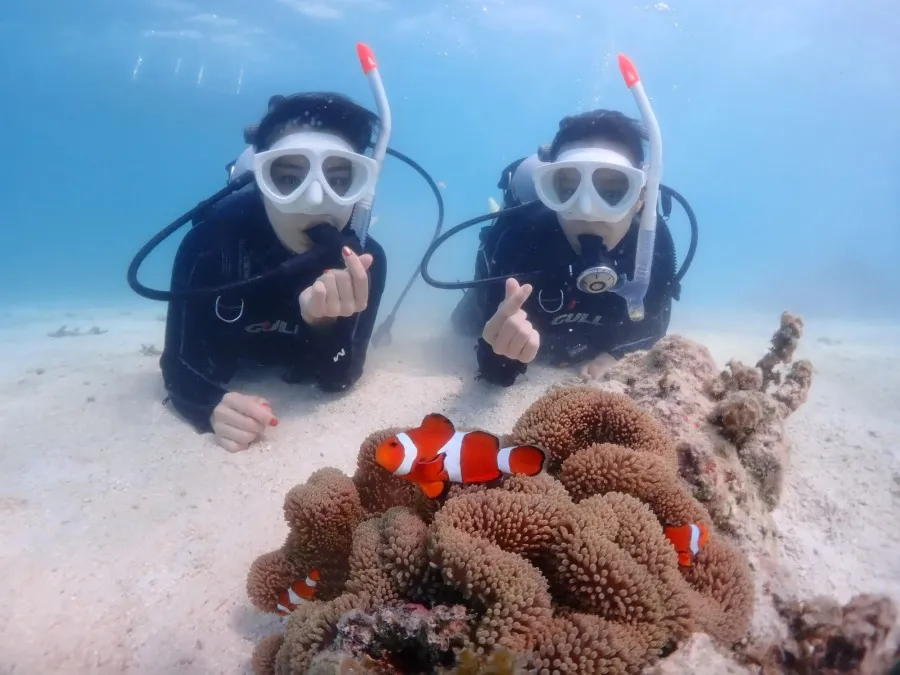
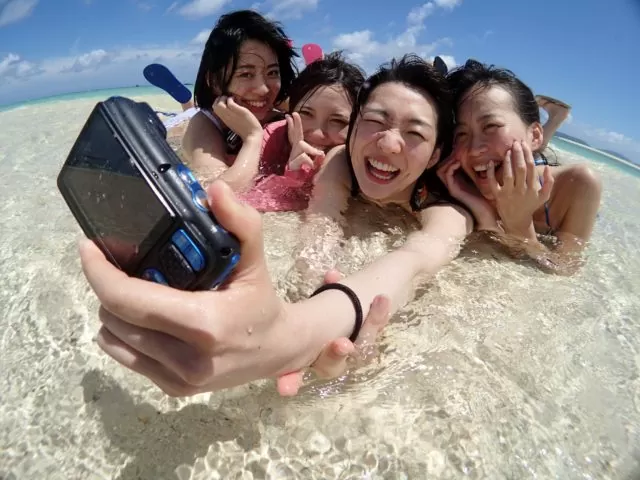
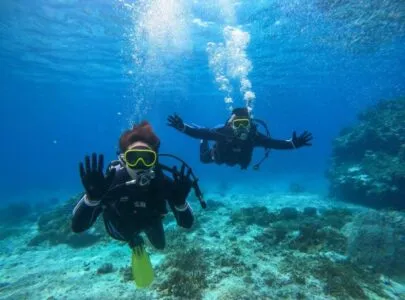
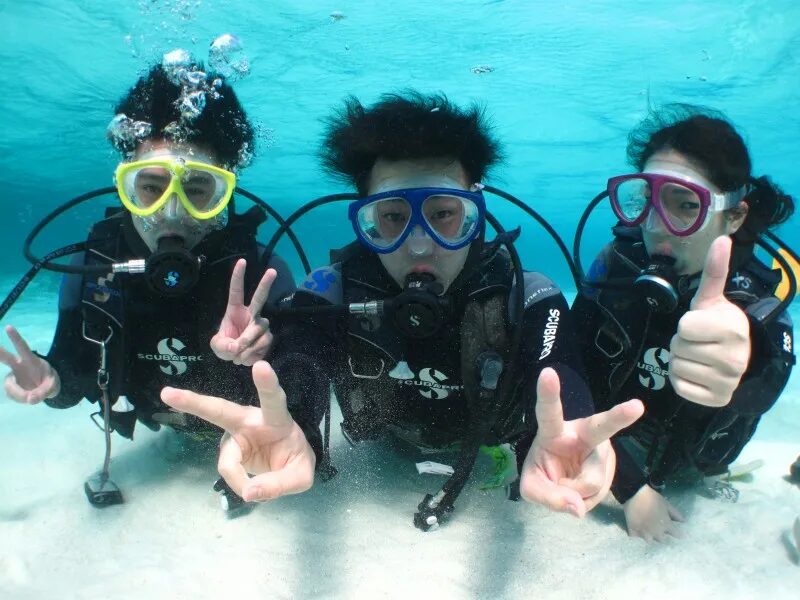
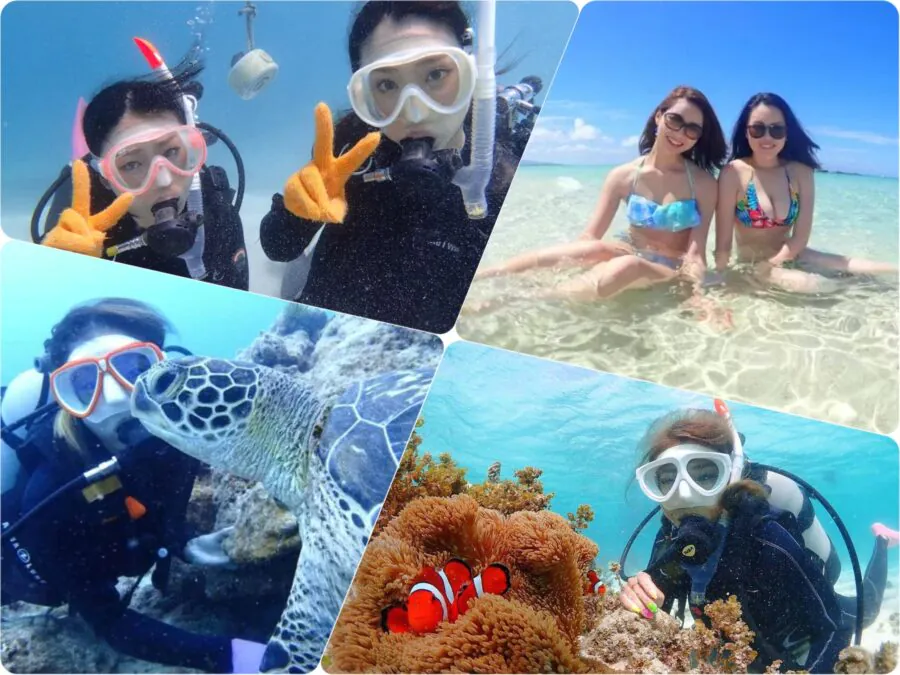
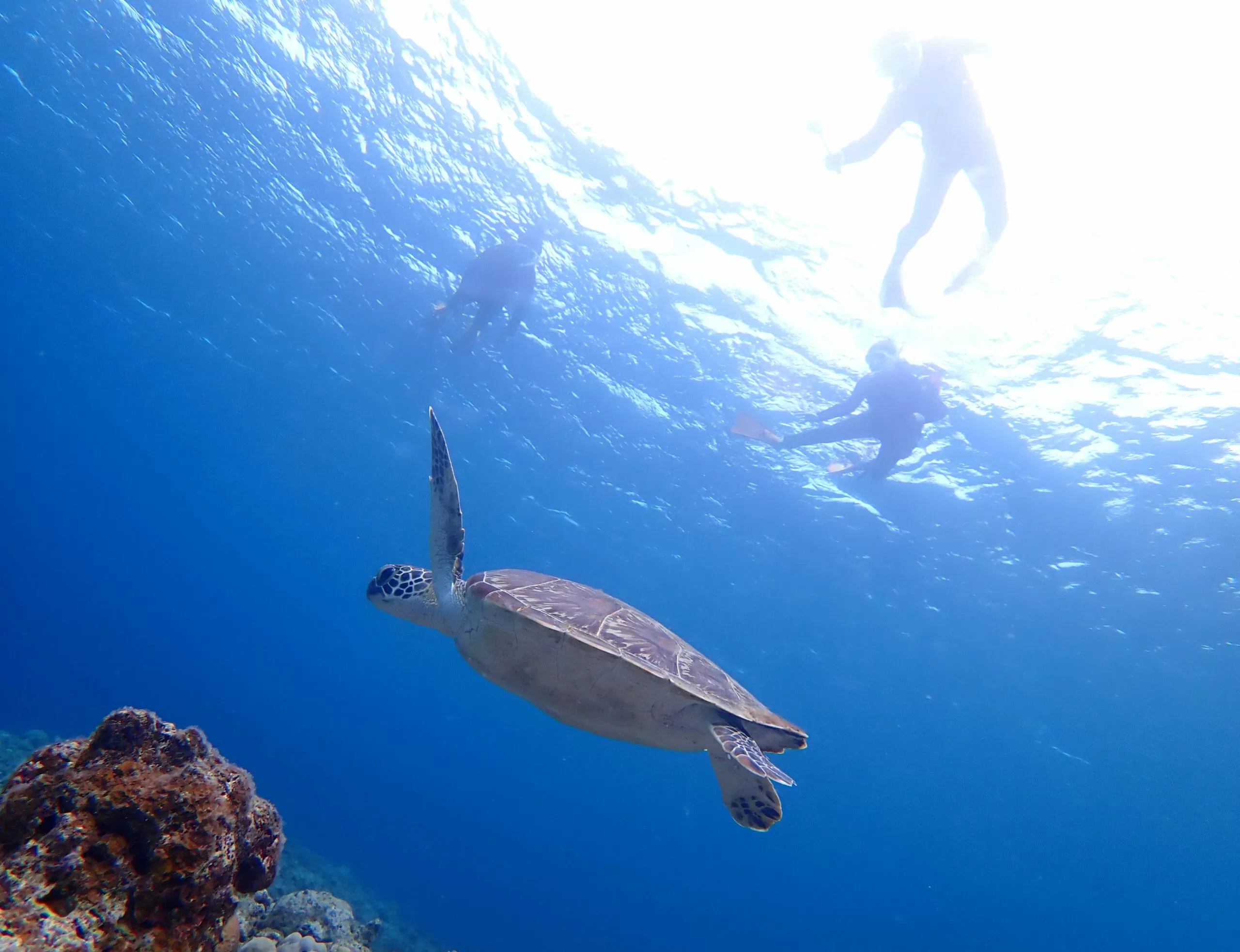
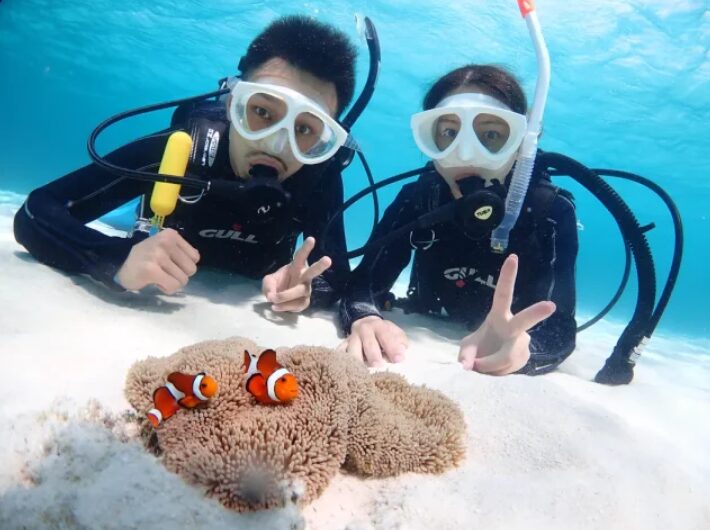
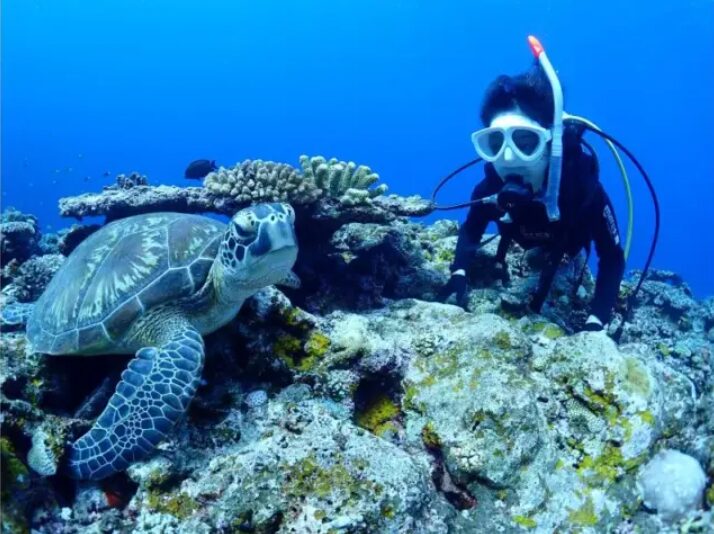
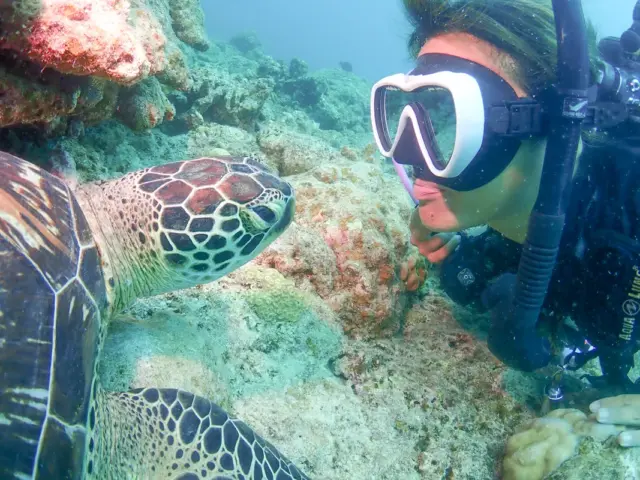
![Ishigakijima Island/Half-day afternoon]Specialized for beginners☆Sea turtle encounter rate is more than 90%! Experience Diving 1dive & Snorkeling Tour 《Photo & Movie Present by Latest Model》(No.482)](https://diving.ishigaki-tours.com/wp-content/uploads/2023/06/IMG_0610-scaled-e1708660902228-825x510.webp)
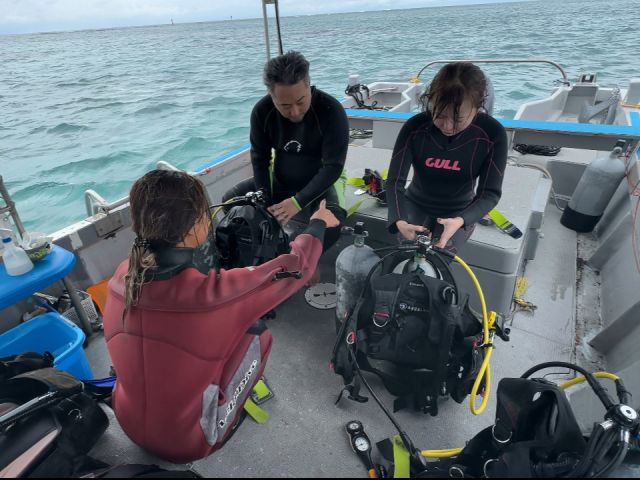
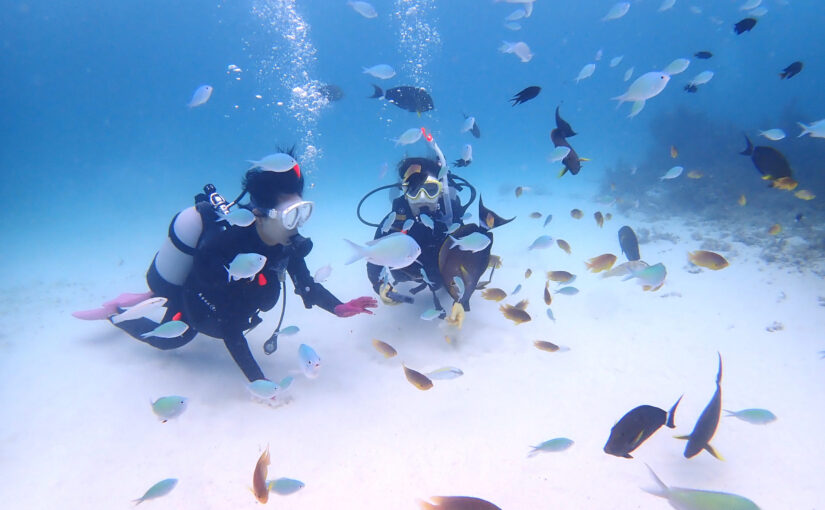
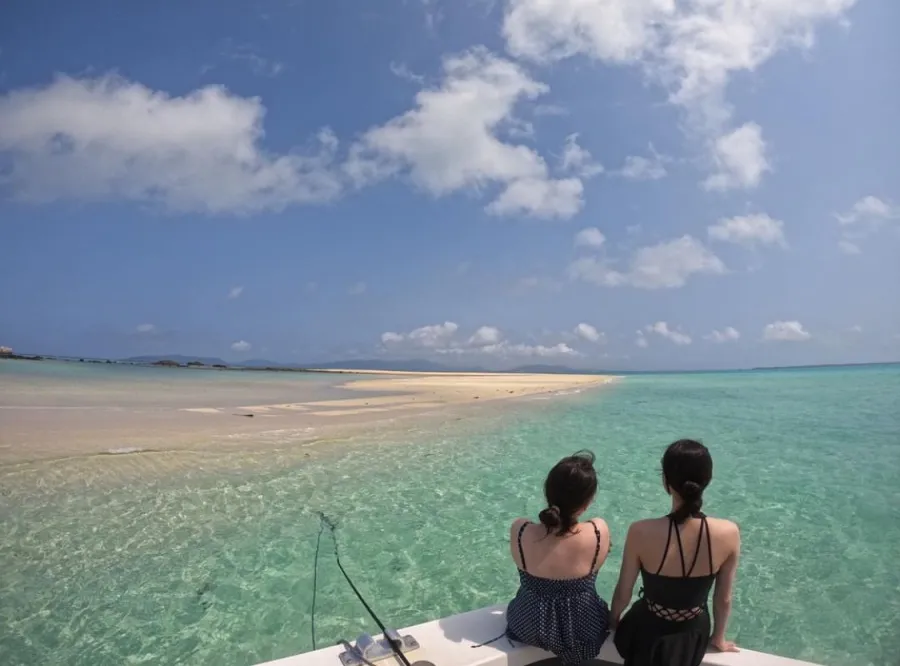
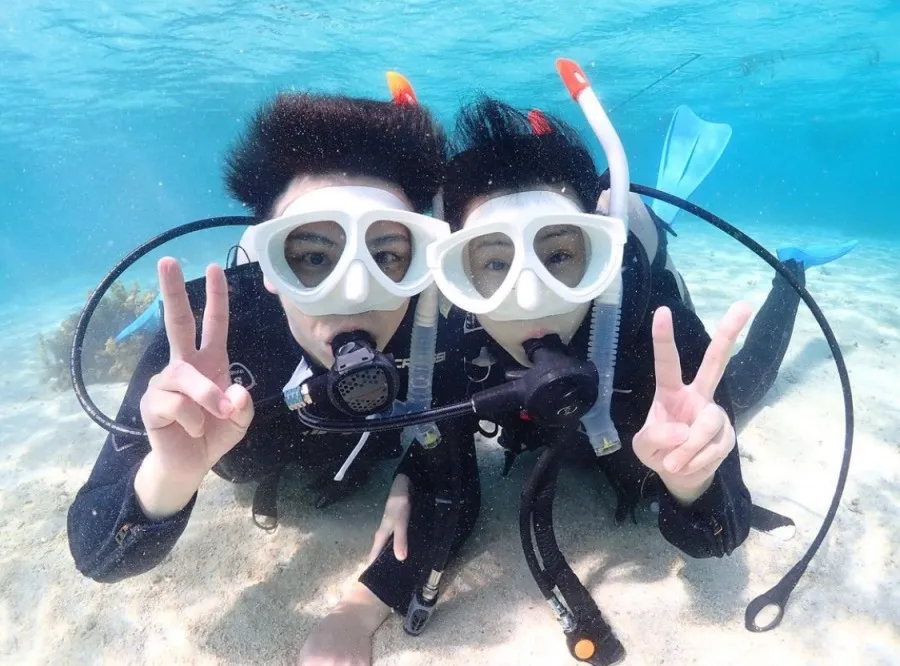
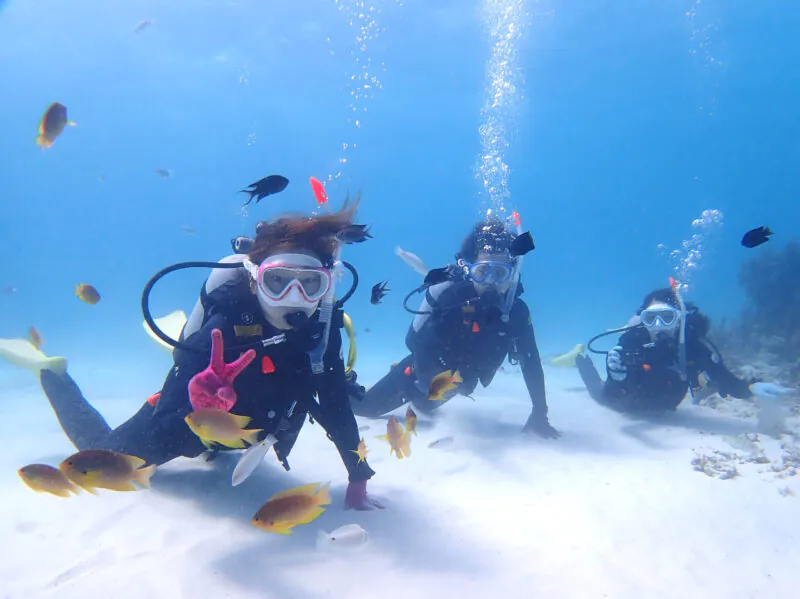
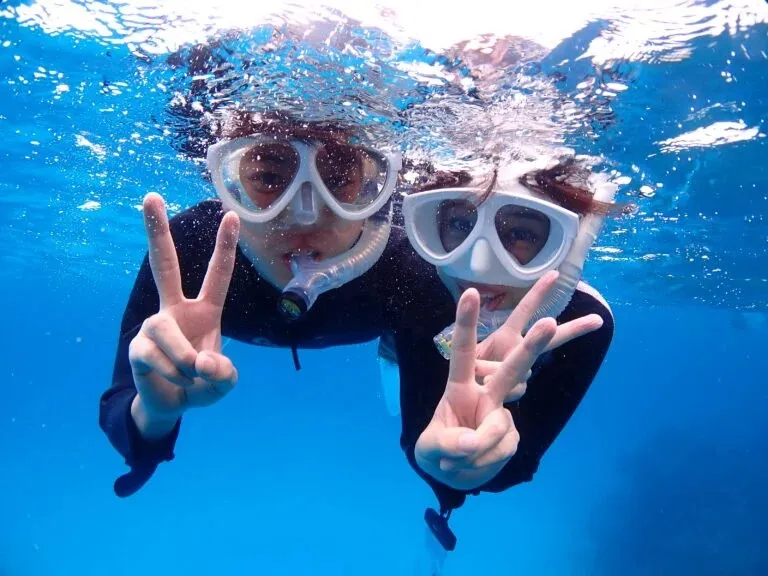
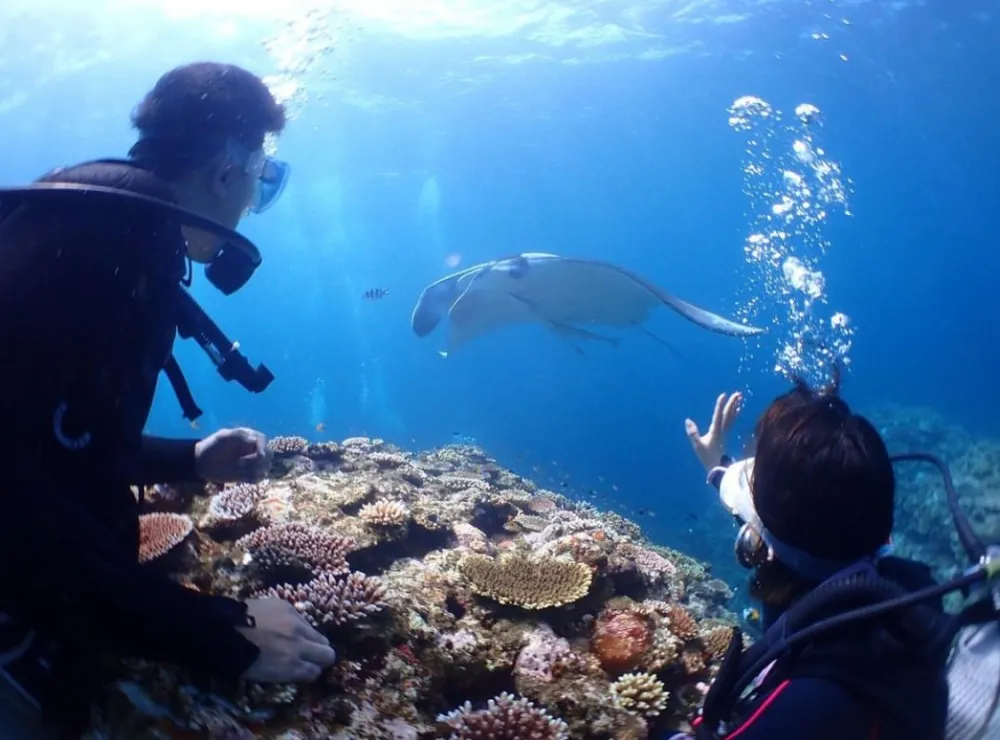
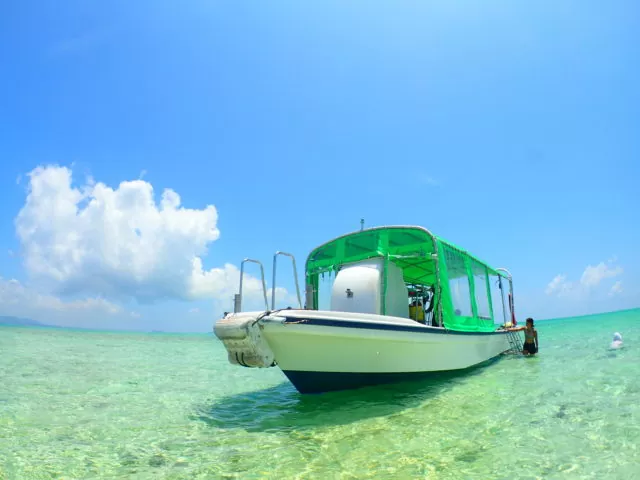
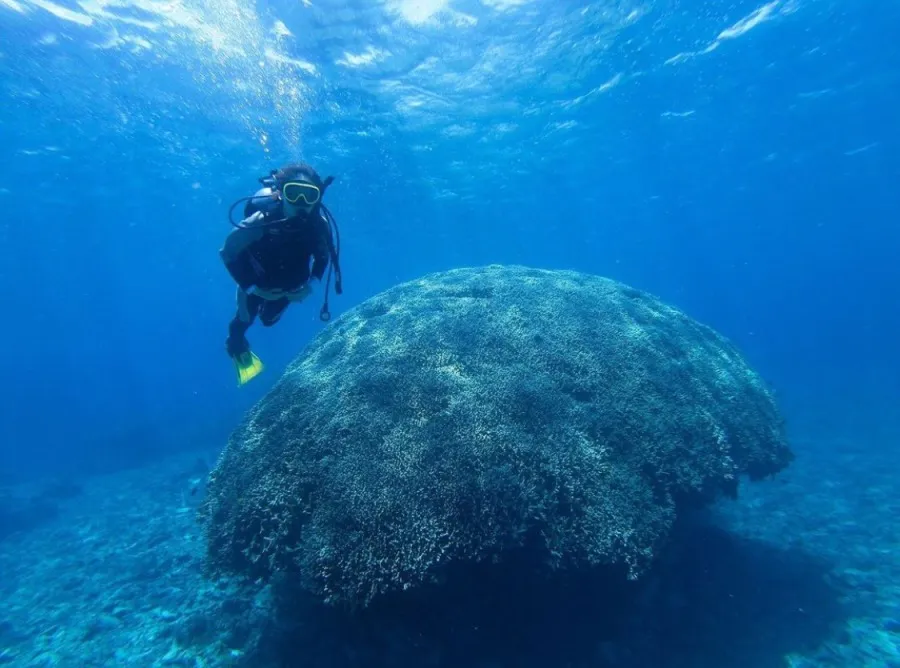
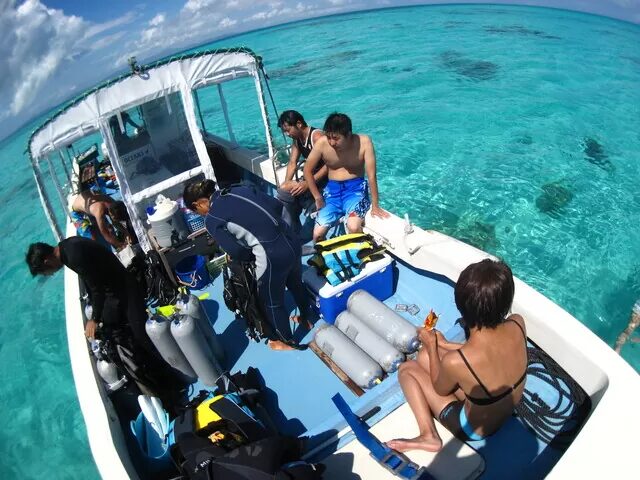
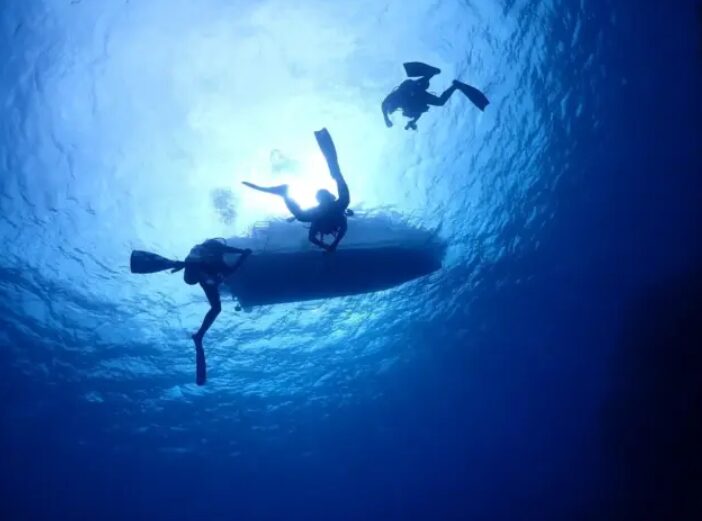
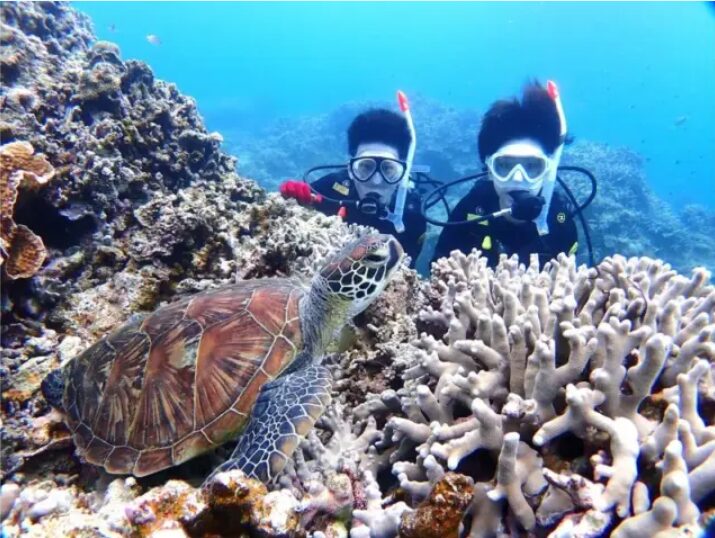
![Ishigaki Island / 2.5 hours] Enjoy the island and diving in a short time! Recommended for women and solo travelers★(No.321)](https://diving.ishigaki-tours.com/wp-content/uploads/2023/06/image_123650291-4-scaled-e1709711625706-825x510.webp)
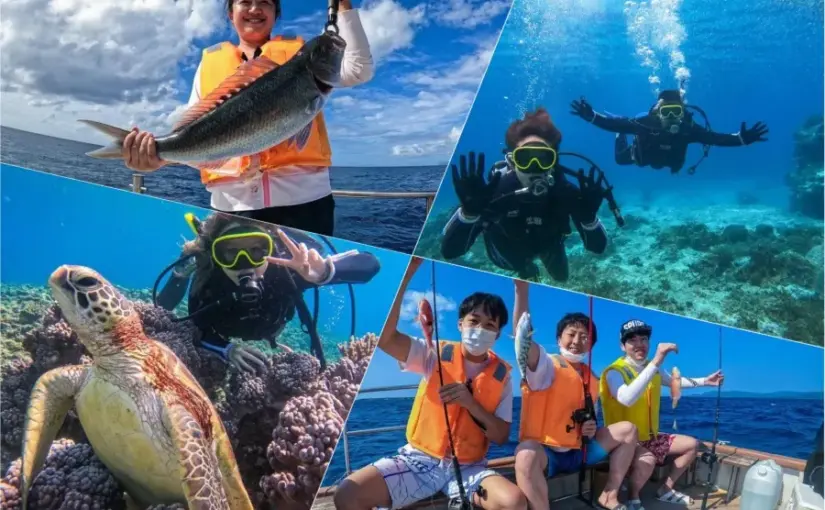
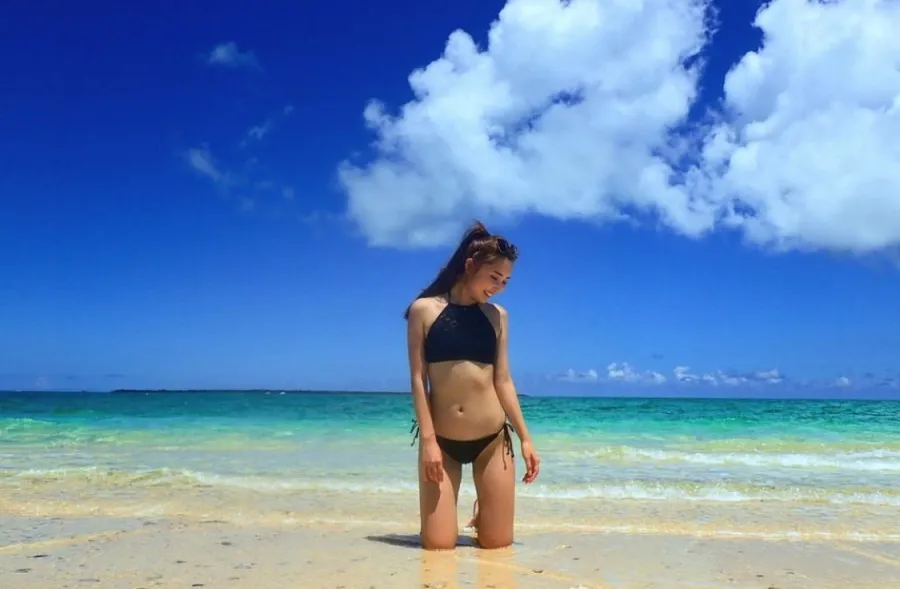
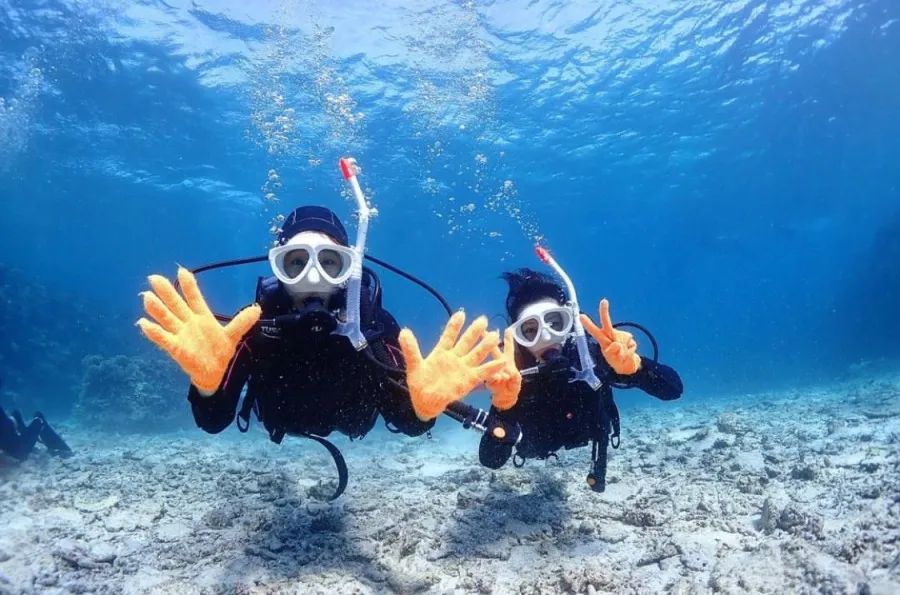
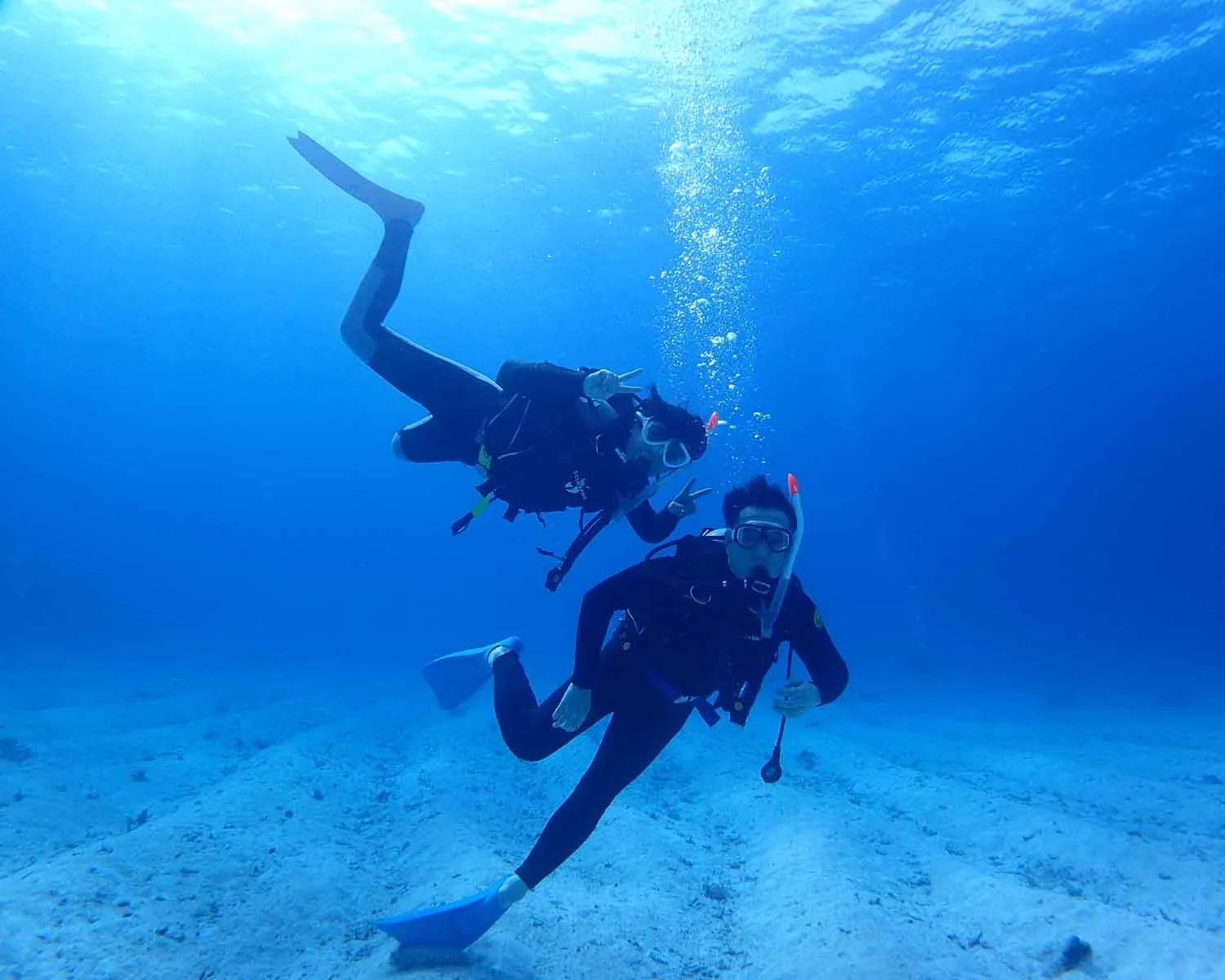
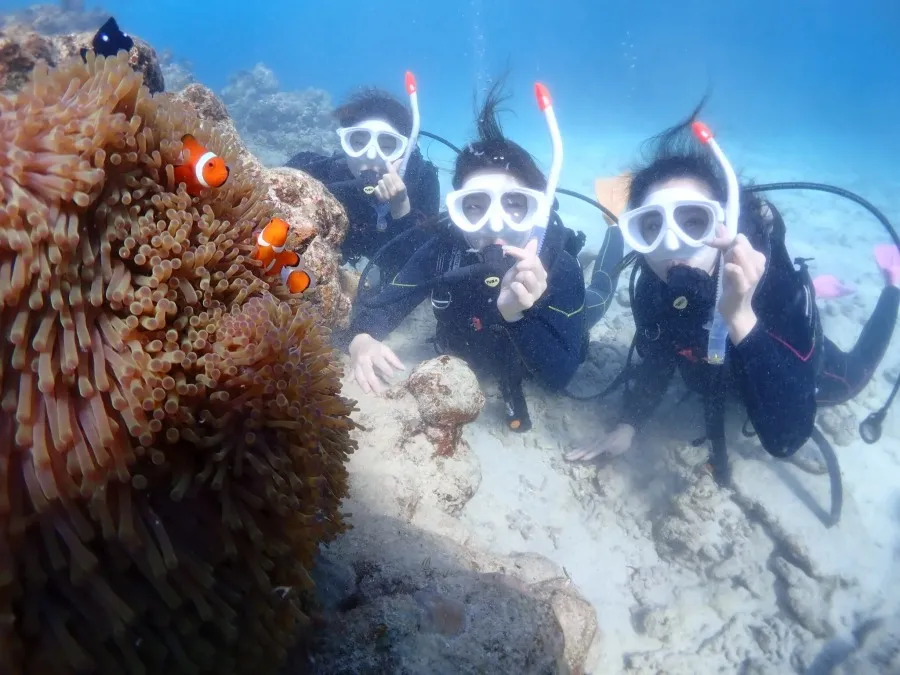
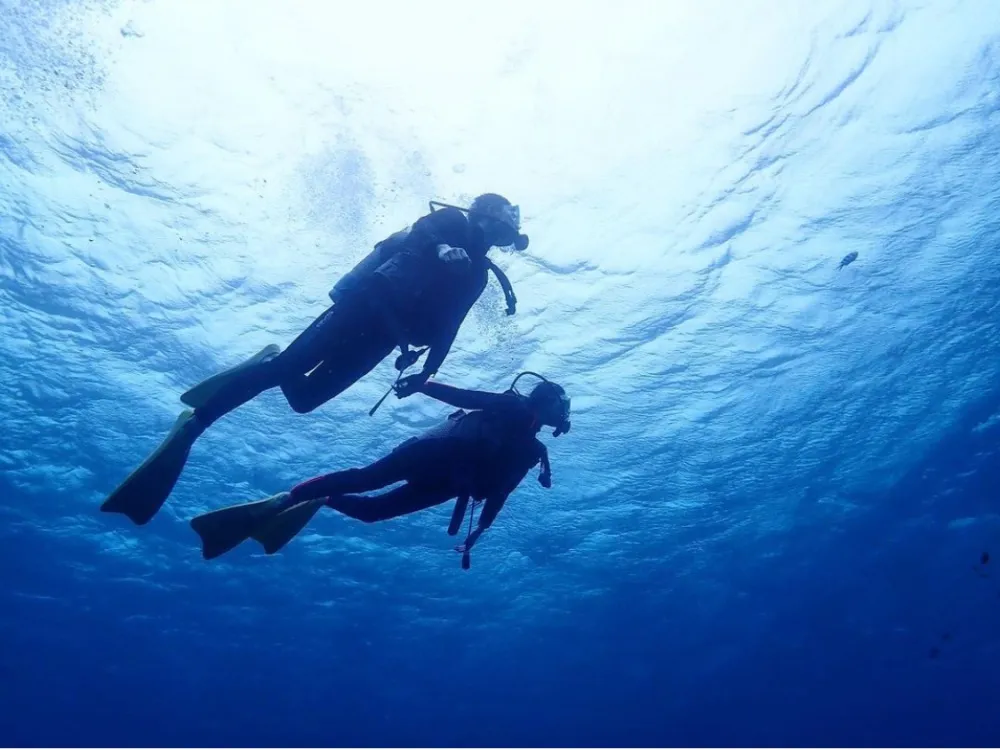
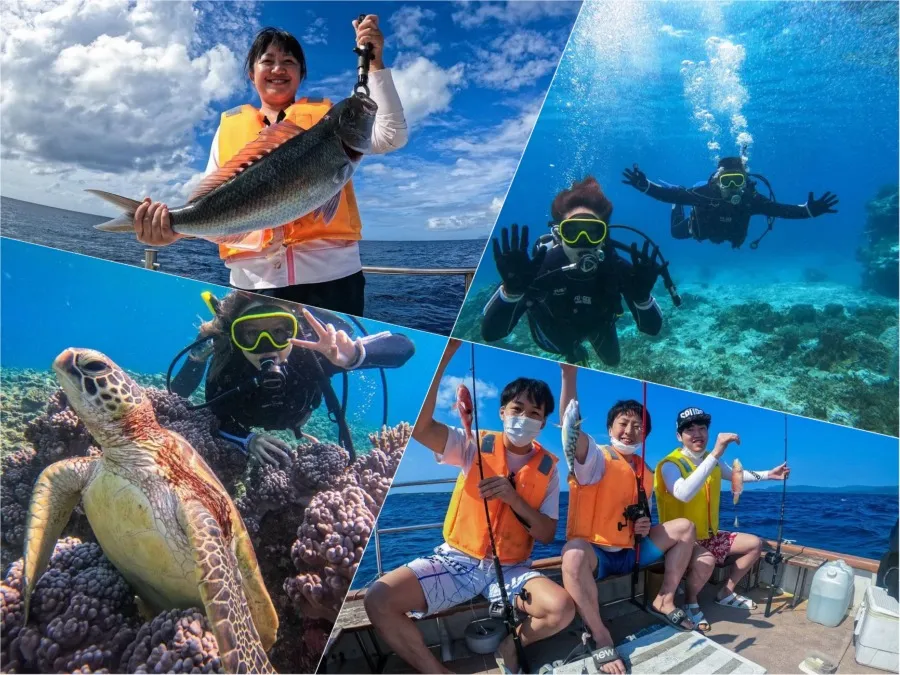
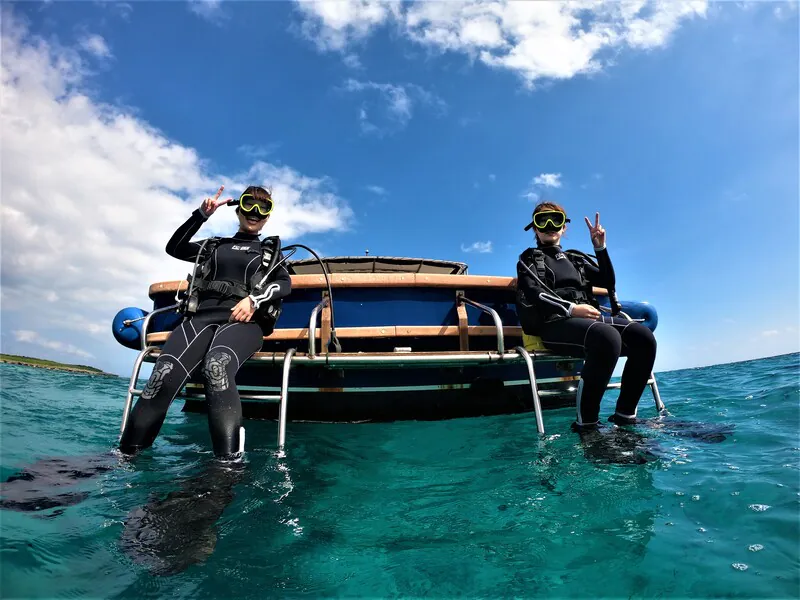
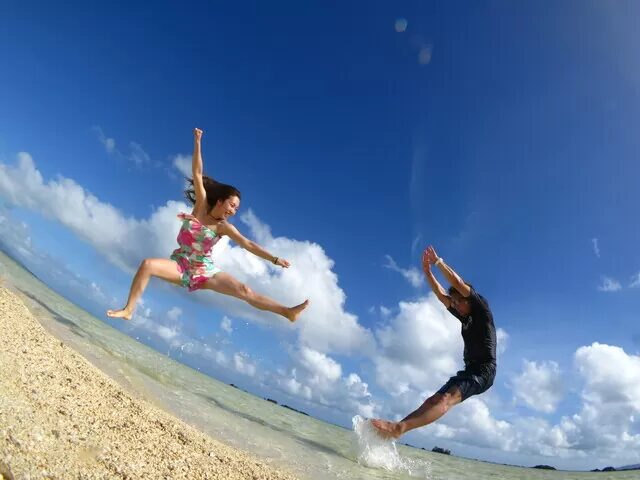
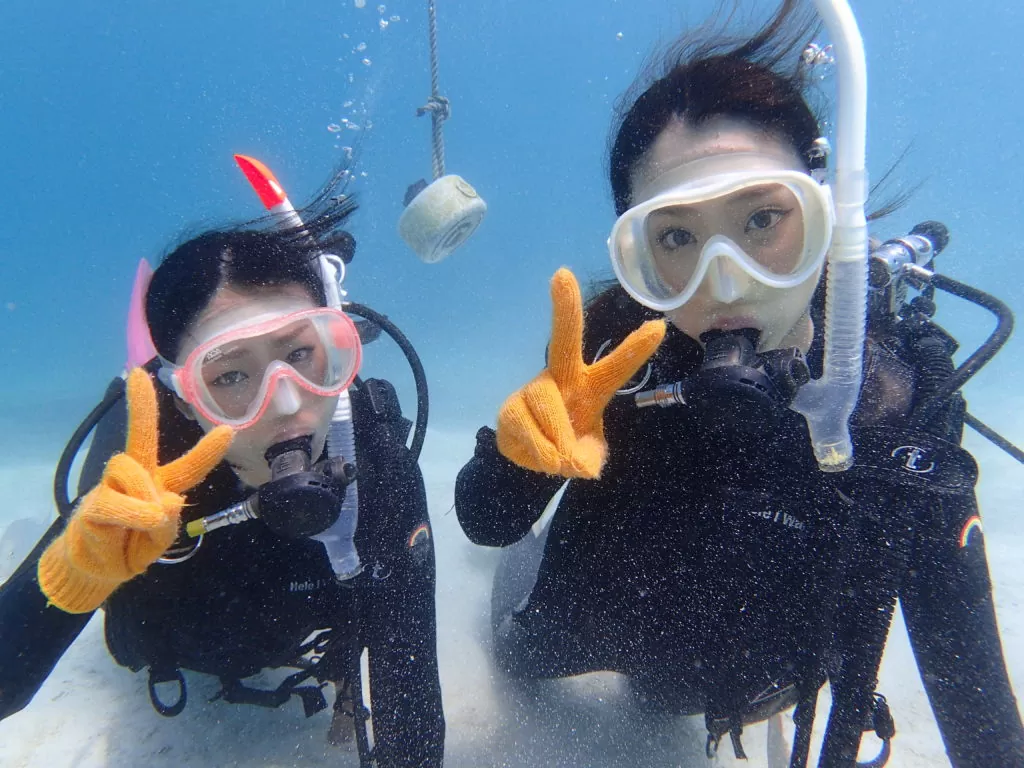
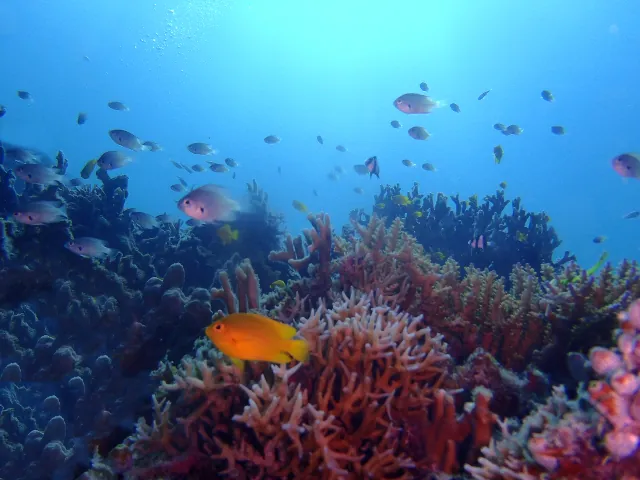
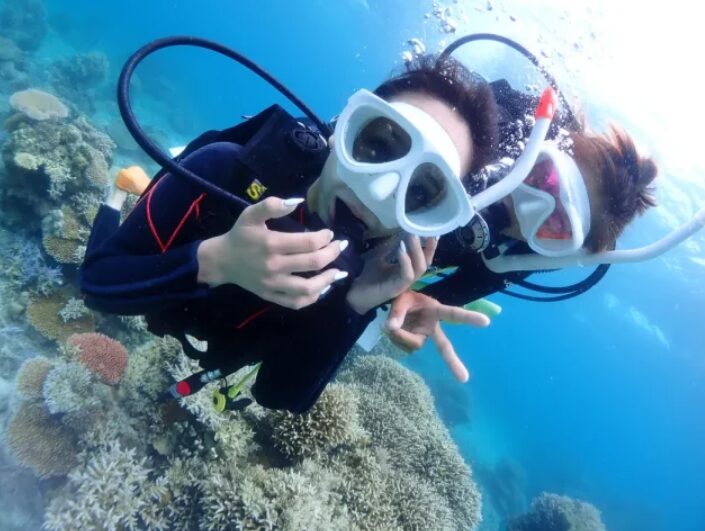
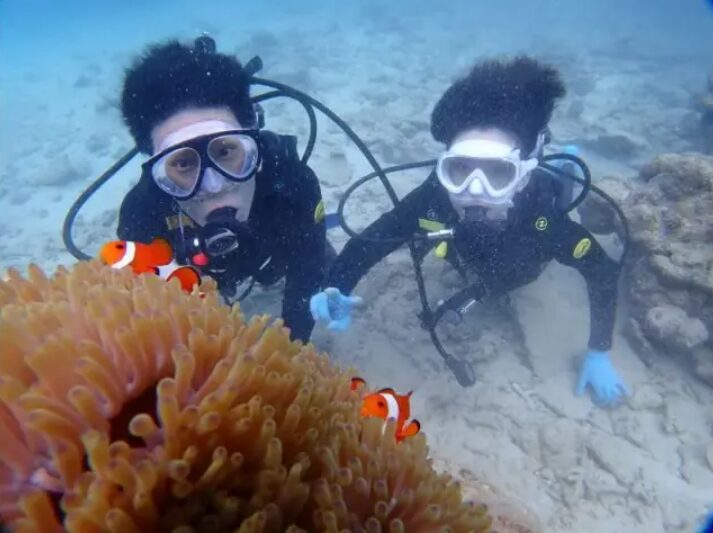
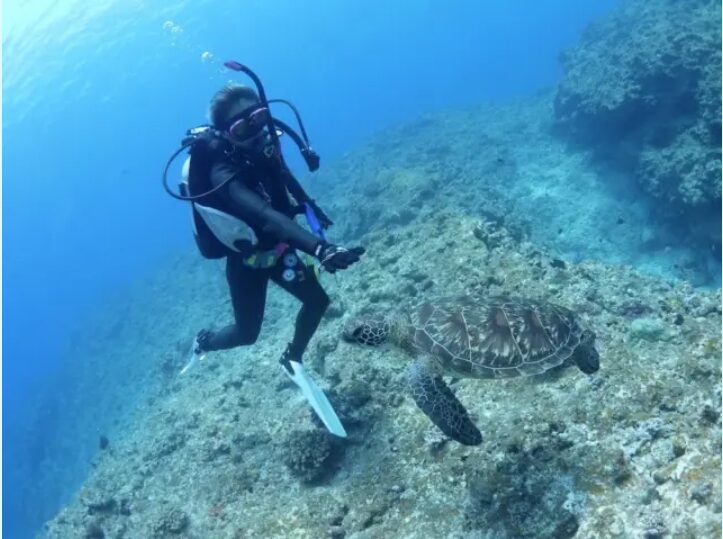
![Ishigaki Island/1 Day] Sea Turtle Encounter Rate Over 90%☆Landing on Phantom Island & Experience Diving 2dives & Snorkeling Tour《Including equipment & Lunch》(No.342](https://diving.ishigaki-tours.com/wp-content/uploads/2025/05/ABCdive21-825x510.webp)