
Is it cold to dive in Ishigaki Island in winter? In-depth introduction to the reality of climate, water temperature, and equipment.
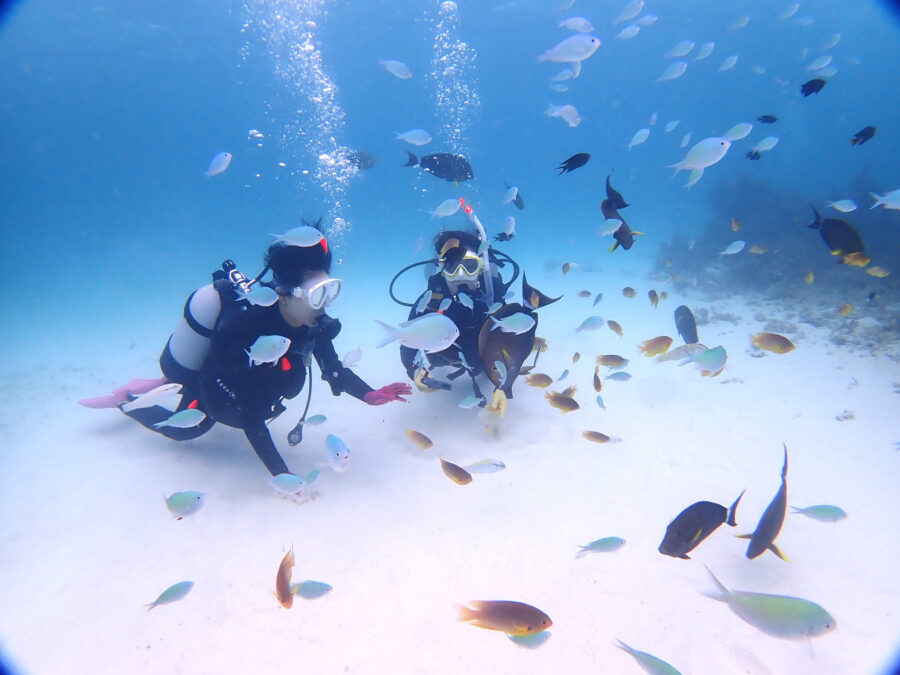
Table of Contents
- 1 Climate of Ishigaki Island in Winter and Characteristics of Diving Season
- 2 Temperature and Weather Trends for Ishigaki Island in Winter
- 3 What is the charm of the sea that can be seen in Ishigaki Island in winter?
- 4 Diving in winter Equipment and Preparation for Comfortable Winter Diving
- 5 Can I enjoy other activities besides diving in Ishigaki Island in winter? Recommended Activities
- 6 Ishigaki Island Winter Diving Frequently Asked Questions (FAQ)
- 7 summary
The climate of Ishigaki Island in winter and
Characteristics of the diving season
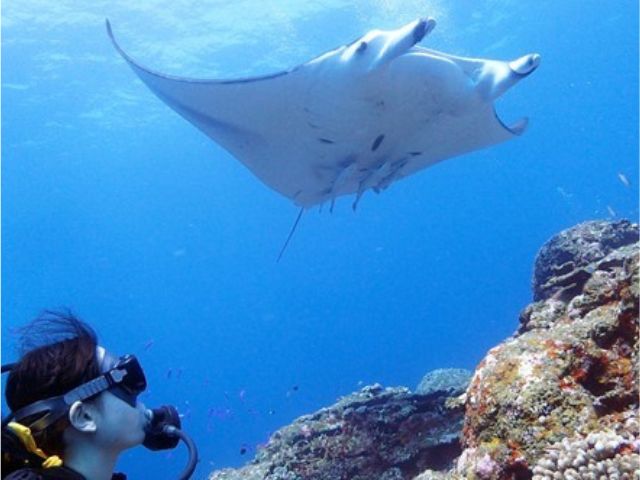
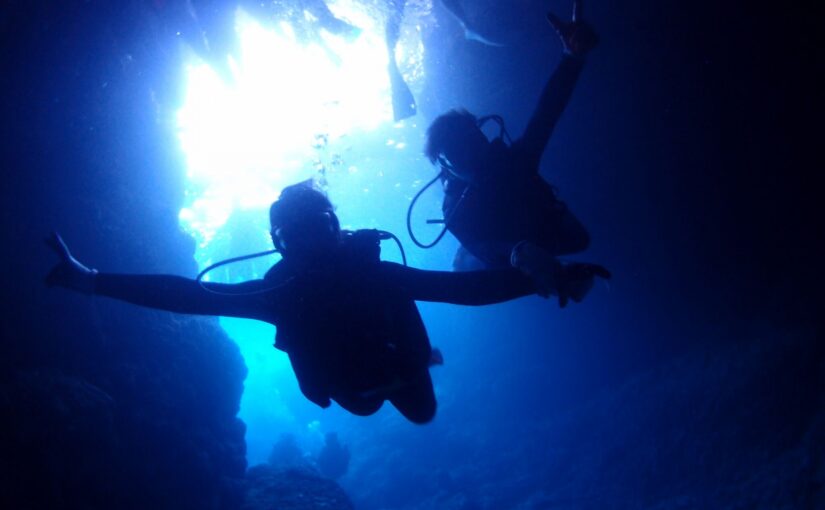
Many people feel uneasy about diving in Ishigaki Island, a tropical island, during the winter season. Many people feel uneasy about diving in Ishigaki Island, a tropical island, during the winter season. However, in reality, there is no such thing as "you can't dive in winter," and with proper equipment and preparation, you can enjoy the ocean in comfort.
This article comprehensively describes the climate, water temperature, necessary equipment, and ways to enjoy Ishigaki Island in winter (December to March). Not only whether you can swim or not, but also "only in winter".Attractions and cautions of the seaI will also tell you in light of the following.
◆ those who have concerns about water temperature, climate, and equipment.
◆To learn about the charms of manta rays and the sea, which can be enjoyed even in winter.
◆ Looking for cold weather and recommended stores?
Ishigaki Island Diving Tour
Click here to see the popularity ranking
Temperature and Weather Trends for Ishigaki Island in Winter
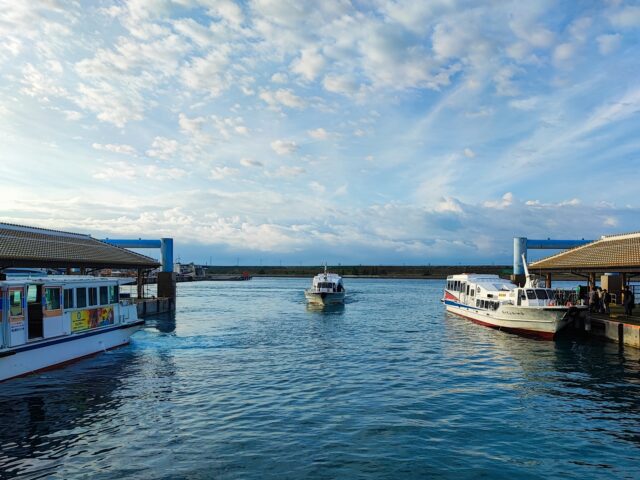
Winter (December to February) on Ishigaki Island is considerably milder than on Honshu Island in terms of average temperatures. For example, the average temperature in December isApprox. 20-22°CThe highest temperature is around 24°C and the lowest around 17°C in January and February.
However, be aware that in winter, there are many days with northerly or monsoon winds, and the windy conditions can cause the temperature to drop dramatically. After getting out of the water or while waiting in the harbor, it is advisable to bring a cloak or clothing that can protect you from the wind.
Another advantage of winter on Ishigaki Island is that there are fewer tourists in winter, so it is not as crowded as in summer, and you can spend a relatively relaxing time.
What is the water temperature in winter on Ishigaki Island?
Monthly Comparison (December, January, February, March)
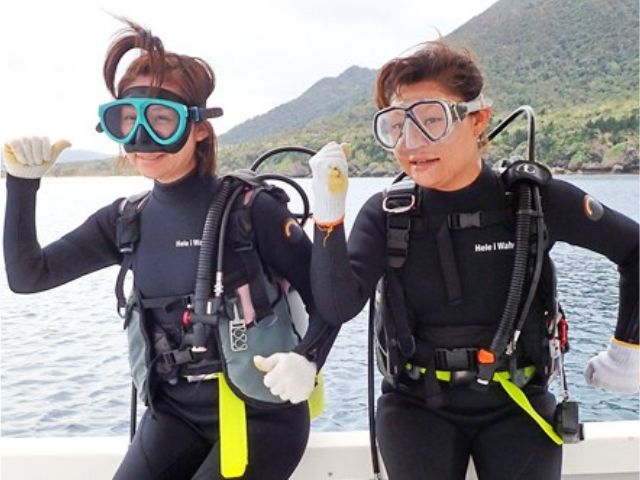
The water temperature is the most important factor to consider when it comes to ocean conditions, but even in the winter on Ishigaki Island, the water temperature remains relatively high.
January: 23-23.5°C on average / not often below 21-22°C even in the coldest months.
February: Average around 23°C / 21.6°C at the lowest, water temperature rarely falls below 20°C
March: Water temperature averages around 24°C
In other words, in winter on Ishigaki Island, the "water temperature is nearly 24 degrees Celsius," which can be described as the feeling of the ocean similar to that of a heated swimming pool.
However, water temperature alone does not determine comfort. The lower water temperature often increases the clarity of the ocean, which has the great advantage of allowing people to enjoy the "clear and beautiful ocean" instead of the muddy waters of summer.
Is winter diving "the worst"?
Real Voices and Reputation
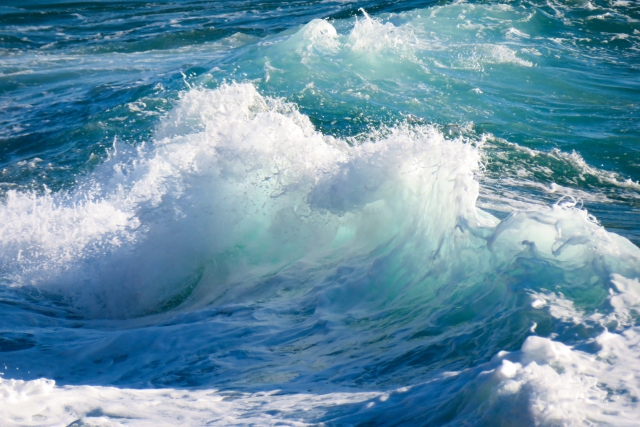
Words such as "winter diving in Ishigaki Island is the worst" and "boring" can sometimes be found on the Internet and by word of mouth. However, such negative reviews seem to be mainly related to cases of inadequate equipment and preparation, such as "trying to enter the ocean with only a swimsuit and rash guard" or "neglecting to prepare for wind and cold".
On the other hand, divers who dive in winter with proper wetsuits (e.g., 5 mm) and cold protection, told us thatVery clear and fishy!Many highly praised comments included, "There are fewer tourists, so you can dive in a relaxed atmosphere," and "I was able to see manta rays, nudibranchs, and other marine creatures that are unique to winter.
In other words, do not assume that "winter is the worst," but rather, by checking sea conditions, water temperature, and weather in advance and making appropriate preparations, you can fully enjoy the good things that only winter can offer.
What is the charm of the sea that can be seen in Ishigaki Island in winter?
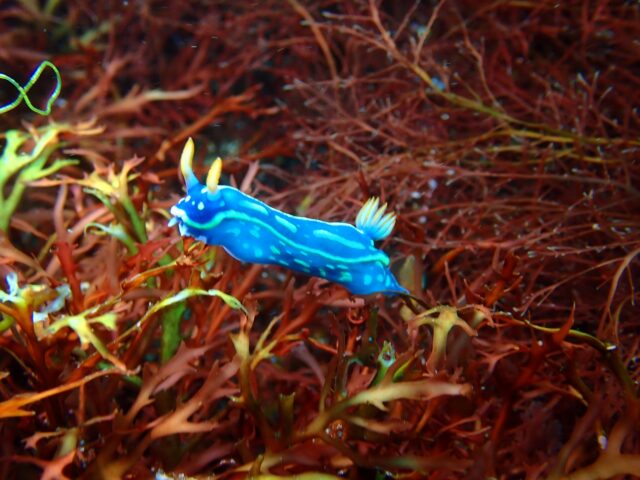
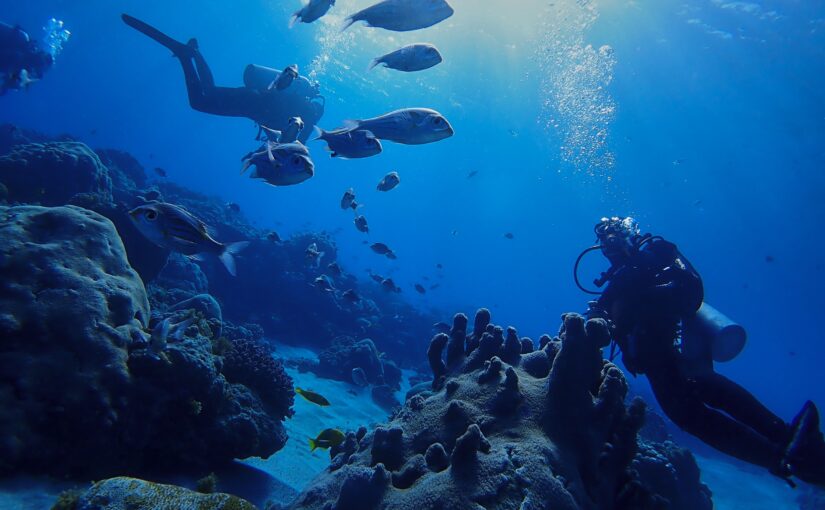
Diving in Ishigaki Island, you can encounter creatures unique to winter.
Is winter the best time to see manta rays?
Probability of encountering manta rays in winter and recommended spots
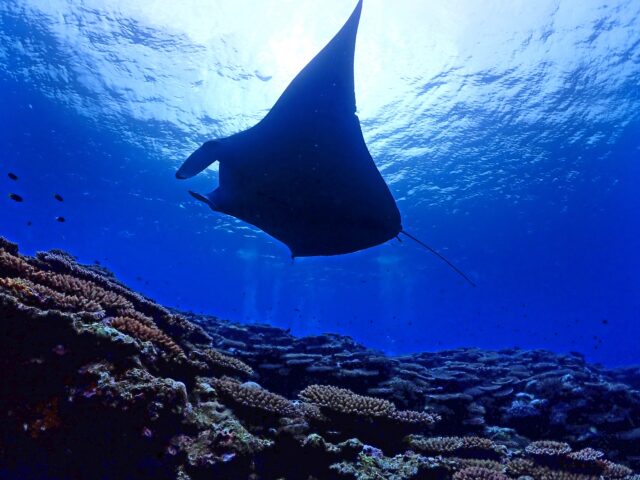
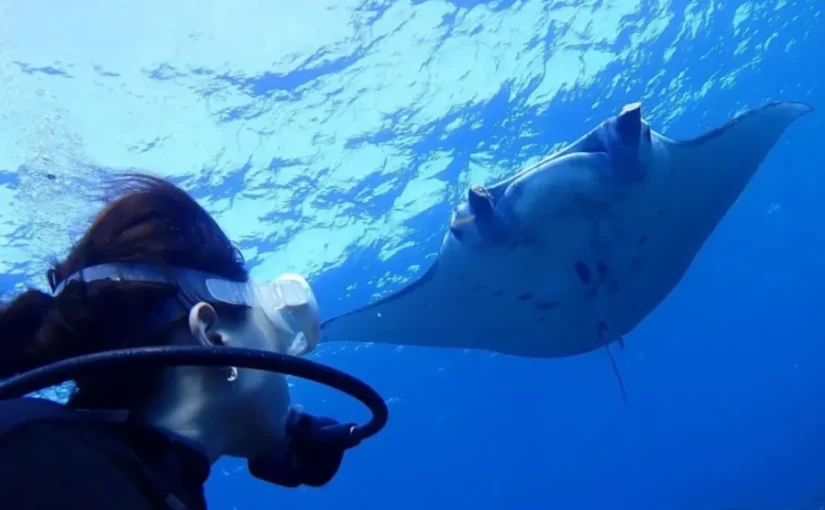
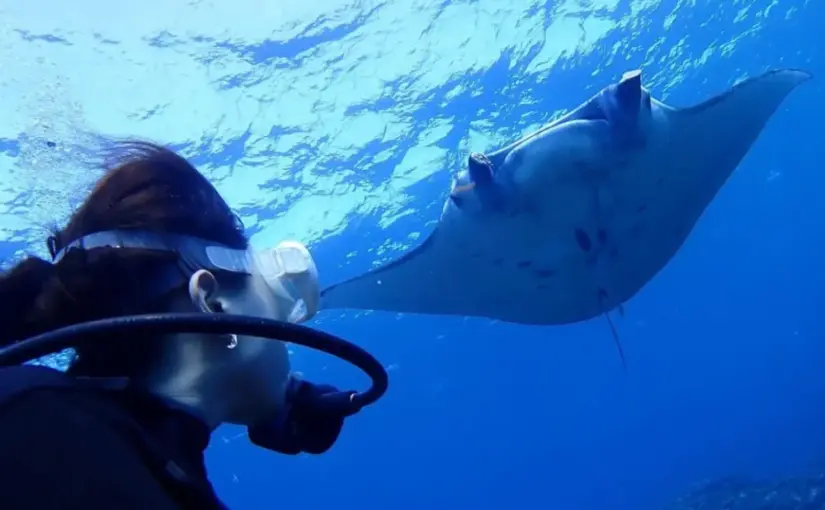
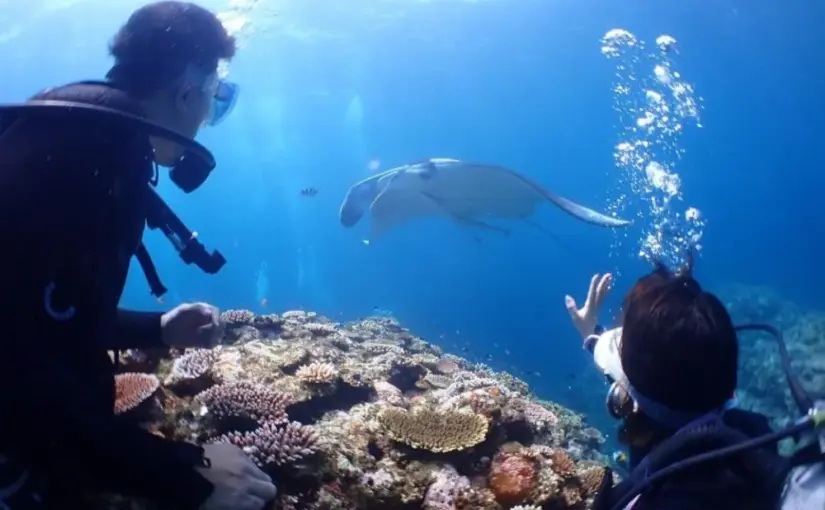
On Ishigaki Island, winter and spring are actually the best times to visit.Opportunity period for observing manta raysThe winter season is sometimes referred to as the "manta season". This is because the water is clearer in winter than in midsummer, when the ocean is less transparent, and manta rays are relatively easy to spot due to the decrease in plankton in the water.
In addition, many reports of manta encounters have been reported even in winter at points on the southern and windward side of the island, such as Kuroshima and Panari Island.
In winter, it is relatively stable and easy to dive, and manta ray sightings are often reported in the Kuroshima and Panari areas, as well as on the windward side of the island in the south. On days when the northerly winds are strong, waves tend to be high at the northern points (north shore of the island and near Kabira Bay), but the southern points behind the wind are relatively calm and safe to enjoy.
As you can see, it is possible to dive for manta rays even in winter. The chance to see big fish, especially in quiet, clear waters, is an attraction that only winter can offer.
Ishigaki Island diving!
Click here for popular Manta Tours
Easy to target even in winter! Main manta ray spots
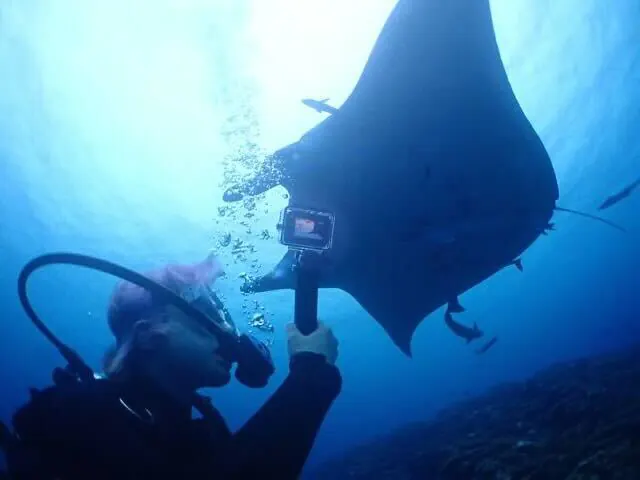
The following are the main spots that are relatively easy to access even in winter and have been reported to have the potential for manta ray encounters. Even if you are not a serious diver, you may encounter manta rays by snorkeling or surface observation, and these spots are recommended as relatively easy to target.
Click here for popular plans for Panari Island
Marine life found in winter diving
From migratory fish to macro organisms
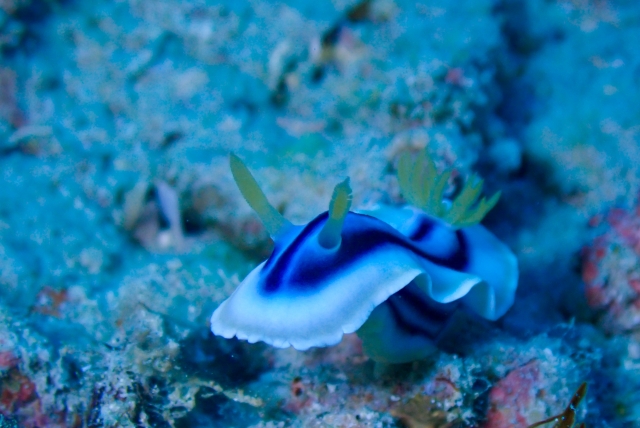
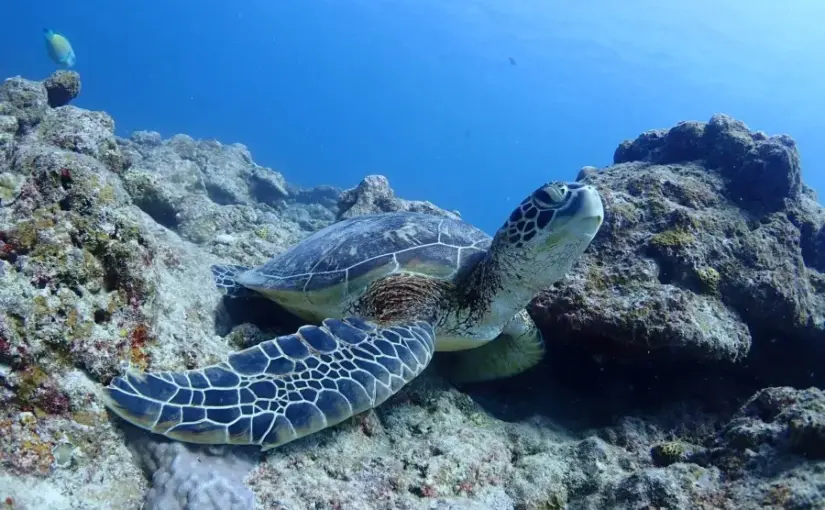
In winter, Ishigaki Island offers different underwater attractions than in summer. Changes in water temperature and quality increase the possibility of encountering a variety of marine life such as migratory fish, larger fish, and even macro creatures.
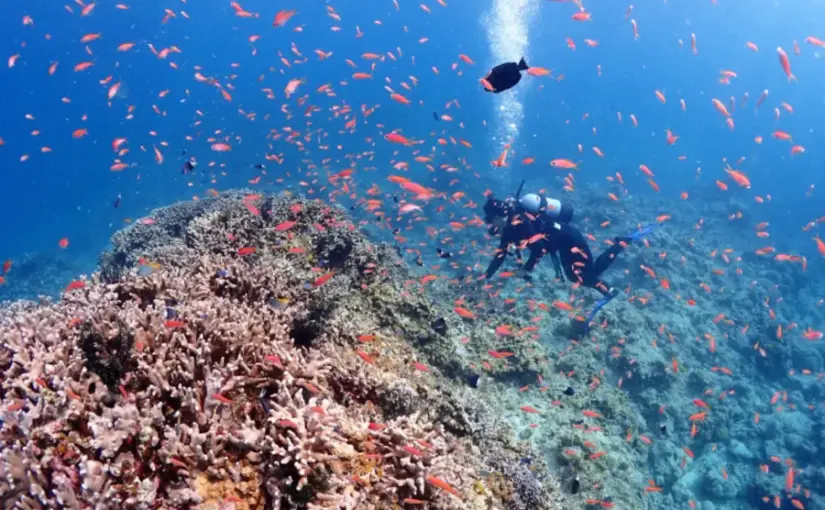
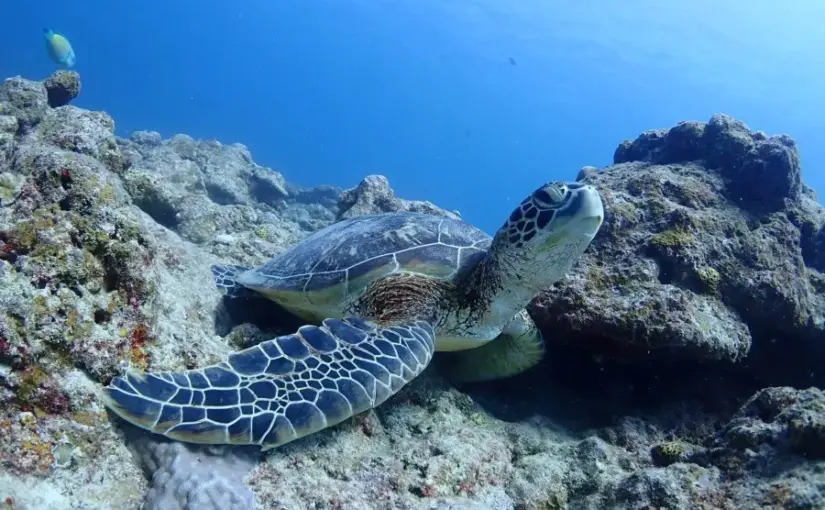
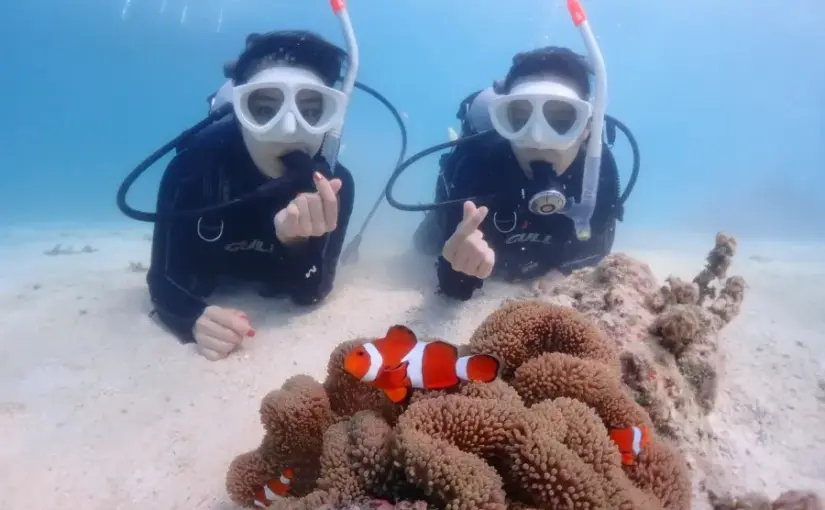
In winter, the water temperature drops slightly, making it easier for creatures to gather in "sandy areas," "shallow areas," and "root crevices" than around coral roots. For this reason, the so-calledA good season for "macro peopleIt is. In fact, nudibranchs, small gobies (gobies), and crustaceans are often observed on Ishigaki Island in winter. The transparency increases due to the decrease of plankton,Underwater photography isThe best part of winter is that you can enjoy it slowly.
On the other hand, even in winterEncounters with migratory fish and medium to large fishYou can expect to see schools of dogtooth tuna, school of dogtooth tuna, and schools of bluefin tuna. For example, schools of Dogtooth Tuna, Dogtooth Tuna, and schools of Gurukun can be seen, and on some days you can enjoy the dynamic underwater world. Especially around remote islands and at points with high transparency, it is easy to catch these fish migrating in schools.
Thus, in winter, Ishigaki Island offers not only "big game fishing" but also "macro life", "schools and migratory fish", and "schools" that are attractive for diving. For those who want to enjoy the seasonal changes in the ocean, winter is recommended.
Winter Diving.
Equipment and preparation for comfortable enjoyment
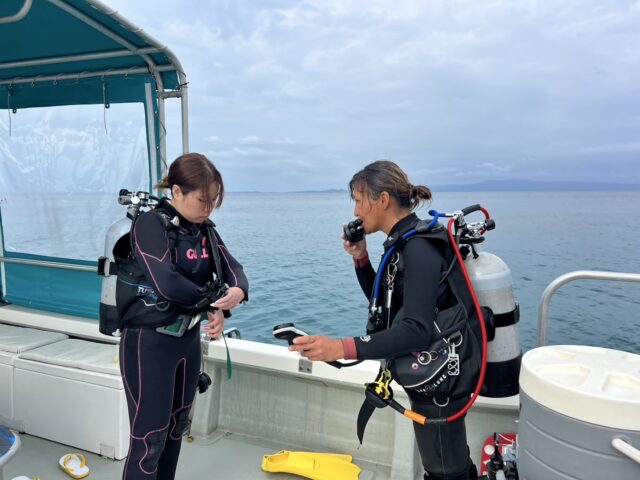
In winter, when temperatures are lower, you can dive comfortably if you have the proper equipment and cold protection. Make preparations in advance and enjoy winter diving.
What kind of diving suit do I need in Ishigaki Island in winter?
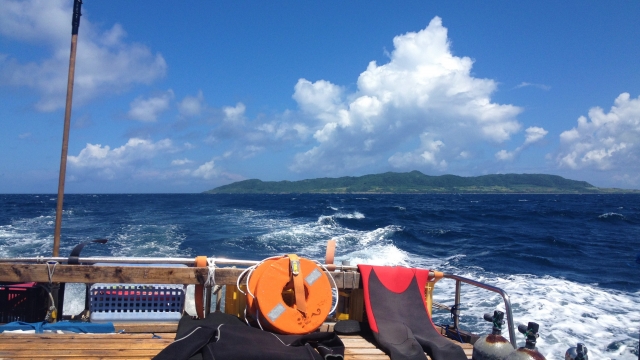
On Ishigaki Island, where the water temperature in winter is around 23 degrees Celsius, it can be tough to wear a thin suit like in summer. In many local stores,5mm wetsuit + hooded vestIf you are looking for a dry suit, or if cold protection is important to you, we recommend a dry suit.
Also, when the water temperature drops, it is easy to feel cold immediately after entry and when moving on the surface, so it is important to put an inner layer under the suit, utilize a hooded vest or boat coat, etc.
Use of wetsuits and dry suits
Wetsuit (around 5mm)Winter: Most common in winter. It can handle water temperatures of around 23℃, and has a good balance of buoyancy and ease of movement.
dry suit: For low water temperatures, windy days, and for those who get cold easily. This is a particularly safe choice for days when you feel cold on the water or waiting on the boat.
Some stores rent dry suits and thermal vests, so it is recommended to check in advance.
Essential items and devices to protect against cold weather
For winter diving, not only the suit but also other items and innovations are important. Especially when moving on the surface, waiting on the boat, or after being exposed to the wind, measures to prevent a drop in body temperature will affect your comfort.
How to choose hoods, gloves, and innerwear
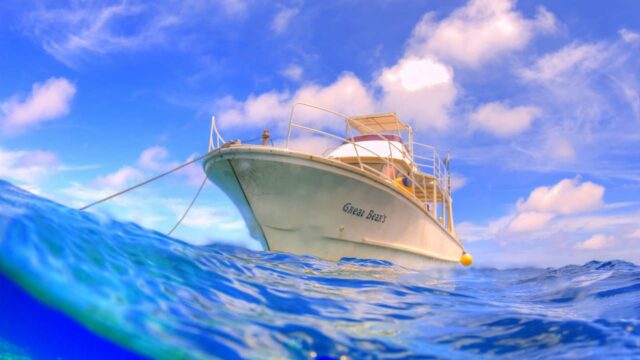
Innerwear (rash guard, spats, etc.): Wear under your wetsuit to keep warm. Essential for those who get cold easily.
Gloves/boots, etc.: Effective if you want to protect yourself from the cold underwater and when moving around. This item should be considered especially for those who dive for long periods of time or those who feel they are close to the lower limit of water temperature.
Boat coats and windbreakers: required for protection from the wind and to keep the body cool after getting out of the water.
In addition, as the sun can be as strong as in summer, be sure to take UV protection (sunscreen and long-sleeved rash guard) not only in the water but also in the water. Even in winter, you need to be careful about ultraviolet rays.
Beginner-friendly winter business
How to choose a dive store
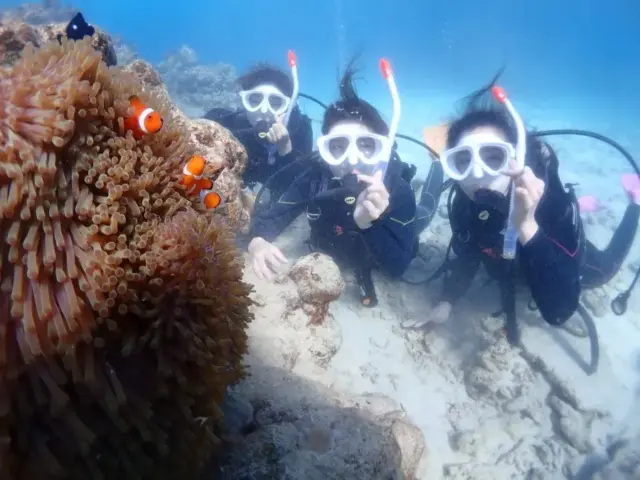
In winter, Ishigaki Island has fewer tourists, and you can dive in a more relaxed environment than in summer. Therefore, it is relatively safe for inexperienced divers and first-time divers. Also, many stores offer rental winter equipment (wetsuits, dry suits, hooded vests, warm clothes, etc.), which is a great season for beginners in terms of "no worries even if you don't have any equipment".
And on days with strong northerly winds, there is a possibility that the points that can be dived will be limited.They are flexible to change points depending on the sea conditions of the day.It is important to choose a store that is "in the know.
We also recommend stores that are strong in underwater transparency, creatures, and macro dives in winter. Choosing a store that knows the unique charms of the winter sea will lead to a highly satisfying experience.
Diving Accommodation Packages
Advantages and How to Choose
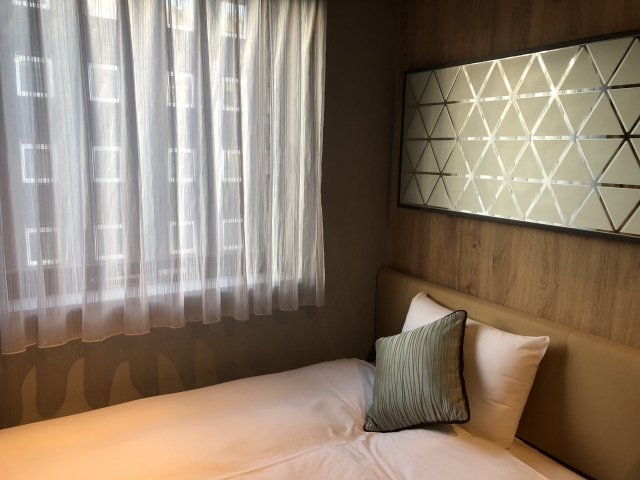
Since winter is the off-season for tourism as a whole, hotel and lodging rates, car rental rates, and diving tour rates tend to be relatively low.
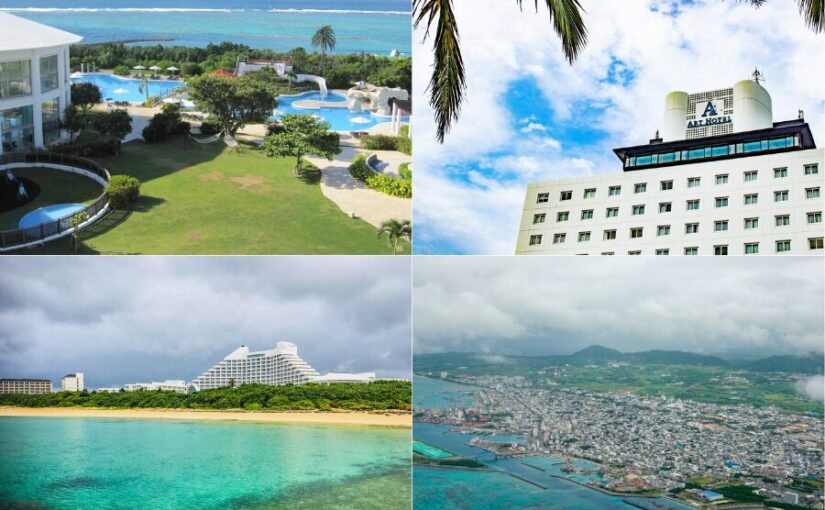
Tours with lodging packages include lodging and diving, eliminating the need for travel and procedures and making the trip more efficient. Another advantage is that there are fewer tourists in winter, so it is easier to secure the hotel and island accommodations of your choice.
The following points should be checked when making your selection!
1) Whether it is open during the winter season (e.g., year-end and New Year's, January-February)
(2) Is the selection of dive sites flexible (can it be changed according to wind direction and sea conditions)?
(iii) Is there any cold weather equipment available for rent (wetsuits, dry suits, boat coats, etc.)?
(4) Is the port or store close to where you will be staying (less travel burden)?
If you meet these requirements, you can enjoy winter diving for the first time without worry.
Can I enjoy other things besides diving in Ishigaki Island in winter?
Recommended Activities
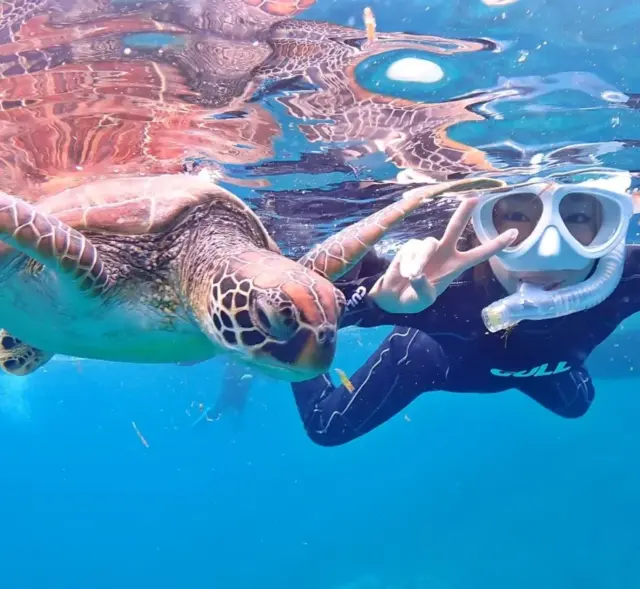
Here are some recommended activities not only diving in the clear waters of Ishigaki Island in winter.
Enjoyable even in winter!
Snorkeling in Ishigaki Island
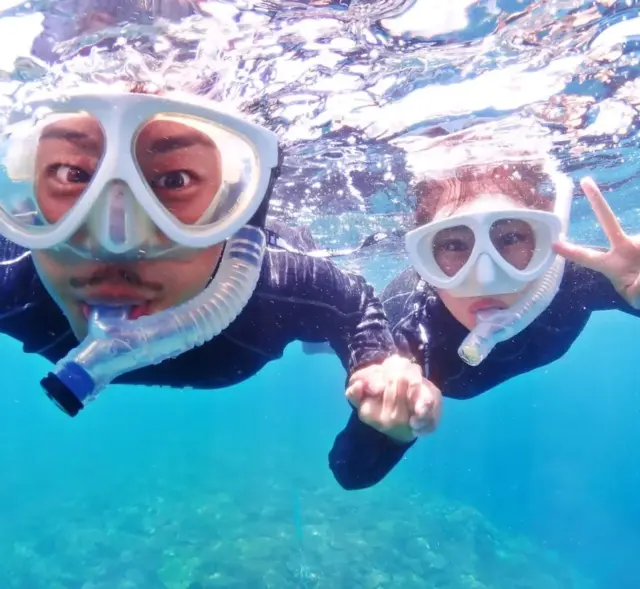
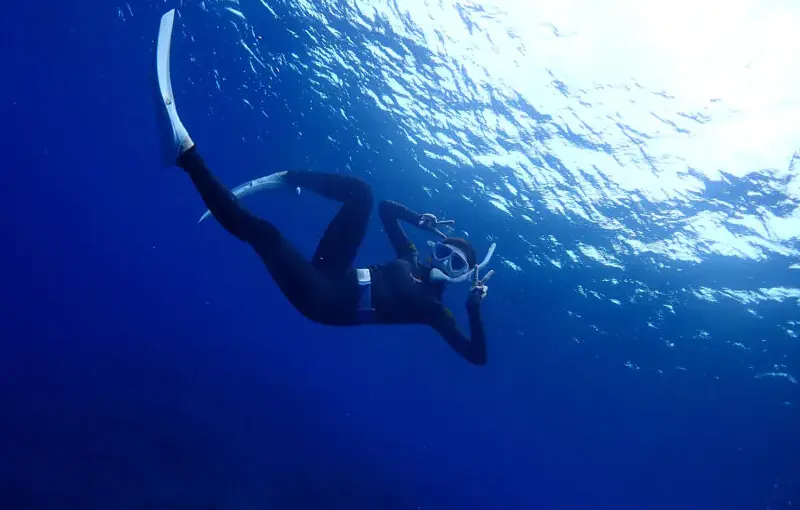
Snorkeling, which is not as deep as diving, is also enjoyable in Ishigaki Island in winter. Many people say that if the water temperature is around 23-24 degrees Celsius, you can swim comfortably with a 5mm wetsuit, and some stores actually offer winter snorkeling and snorkeling tours.
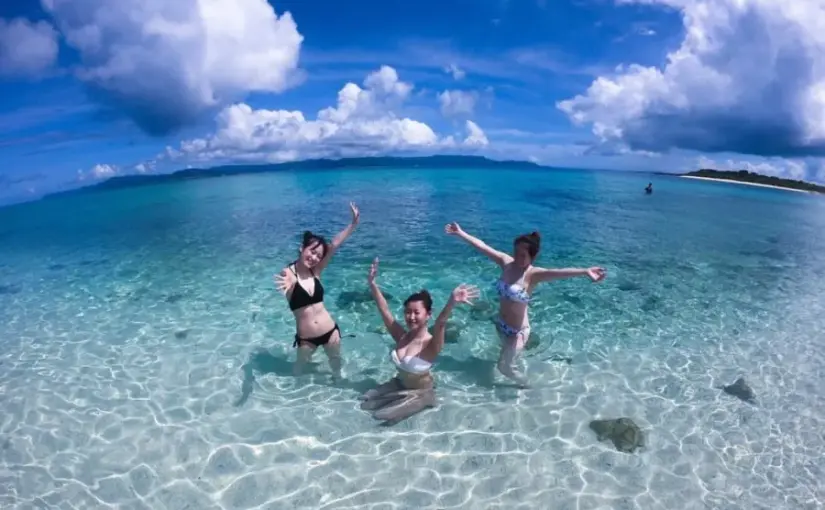
In addition, the clarity of the ocean is higher in winter, so you can enjoy the "Ishigaki blue" even when snorkeling, as you are likely to enjoy a clearer underwater world than in summer. In addition, it is less crowded, so it is suitable for those who want to enjoy the sea leisurely with small children or beginners.
Ishigaki Island Diving +
Click here for snorkeling set tour
Sightseeing other than diving
Suggestions for gourmet food and ways to spend time
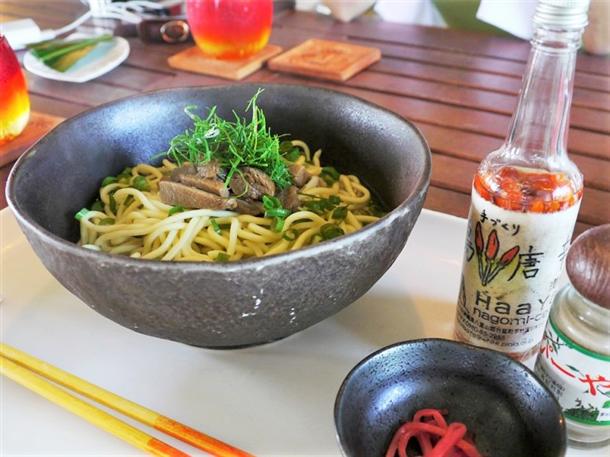
In addition to diving and playing in the ocean, winter in Ishigaki Island is the perfect season for "sightseeing," "nature walk," "gourmet," and "relaxing trip. Since there are fewer tourists, popular hotels and villas are easy to get and you can enjoy a relaxing time on the island.
On days when the wind is cold or you do not want to go in the ocean, we also recommend strolling around the island, enjoying the local cuisine, and experiencing the unique culture of the island. Winter is also attractive because many spots are easily accessible and easy to get to by rental car, making it easy to organize a trip with a high degree of freedom.
In addition, the risk of typhoons is low on Ishigaki Island in winter, and the weather is more stable. It is a particularly recommended season for those who want to enjoy not only the ocean but also the entire trip because you can have a trip that is not easily affected by the weather.
Cultural experience of Ishigaki Island!
Click here for popular plans
Handmade experience in Ishigaki Island!
Click here for popular plans
Ishigaki Island Winter Diving
Frequently Asked Questions (FAQ)
Yes, it is possible. The average water temperature is 23-24°C. You can dive comfortably in a 5mm wetsuit or drysuit. It is important to be prepared for cold weather.
Even in winter, manta ray encounters are high in the Kuroshima and Panari areas, and the clarity of the water is excellent for observation.
Yes, many stores are well-equipped with winter equipment for beginners, and small groups provide careful support.
summary
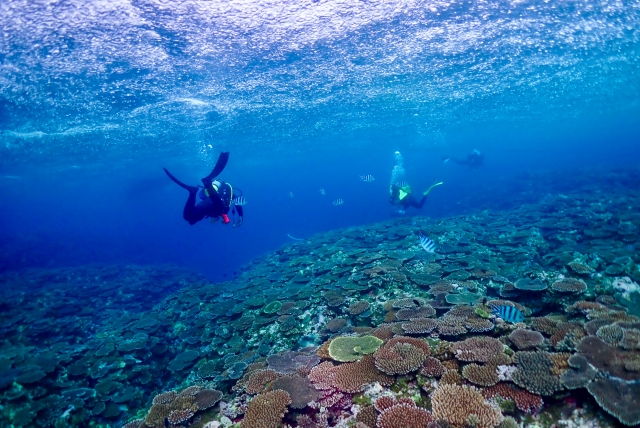
Winter on Ishigaki Island is mild in both temperature and water temperature, and with the proper equipment, you can enjoy diving and snorkeling comfortably.
In the clear and diverse winter sea, encountering manta rays and macro creatures is also attractive. It is the best season to enjoy the "Ishigaki blue in winter" with the quietness and value of the off-season.
We hope this column will help you make an informed decision when considering diving Ishigaki Island in winter.
↓Click here to read the article.